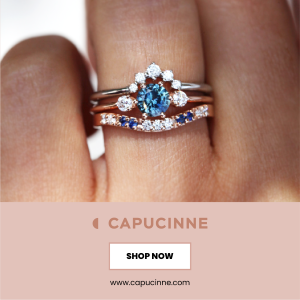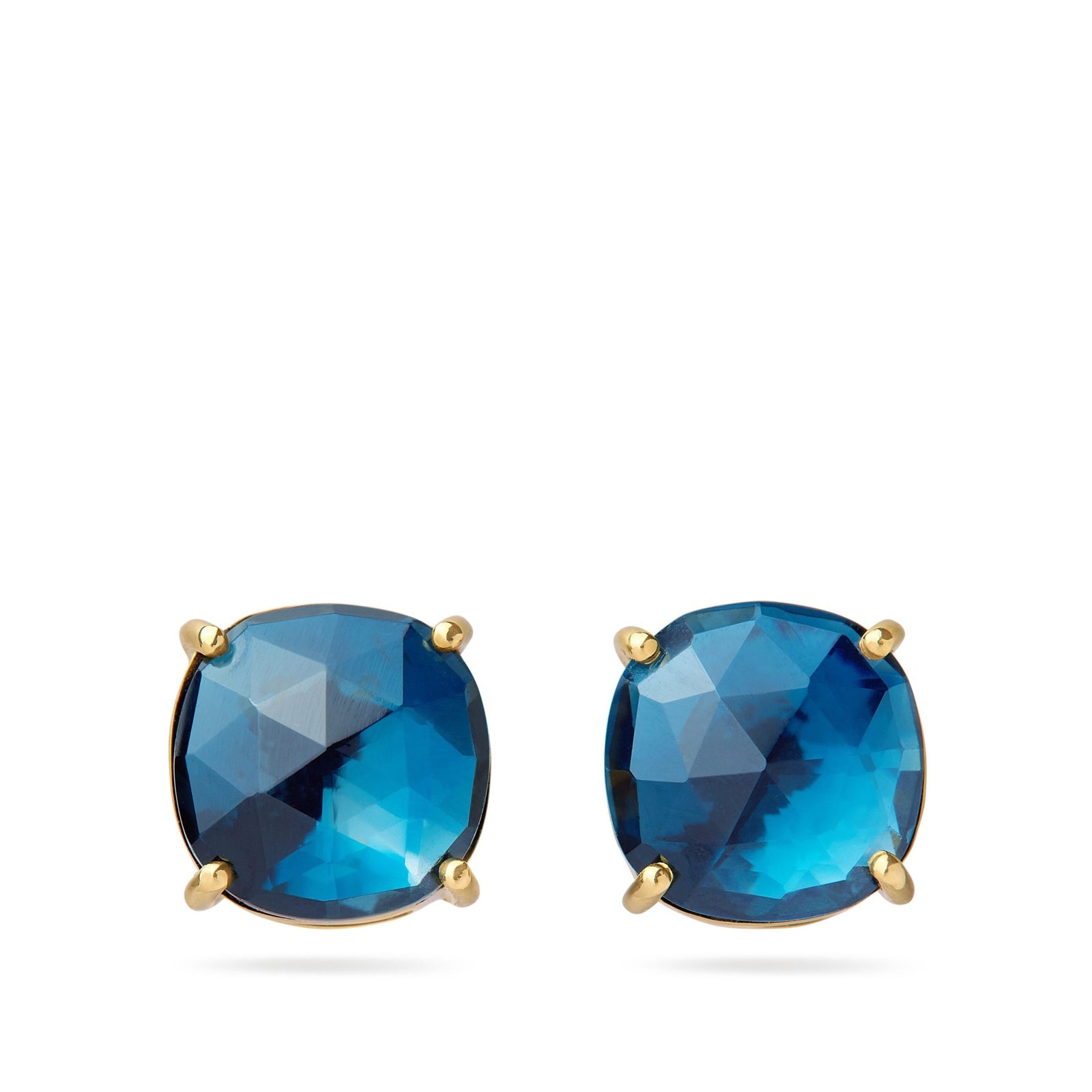
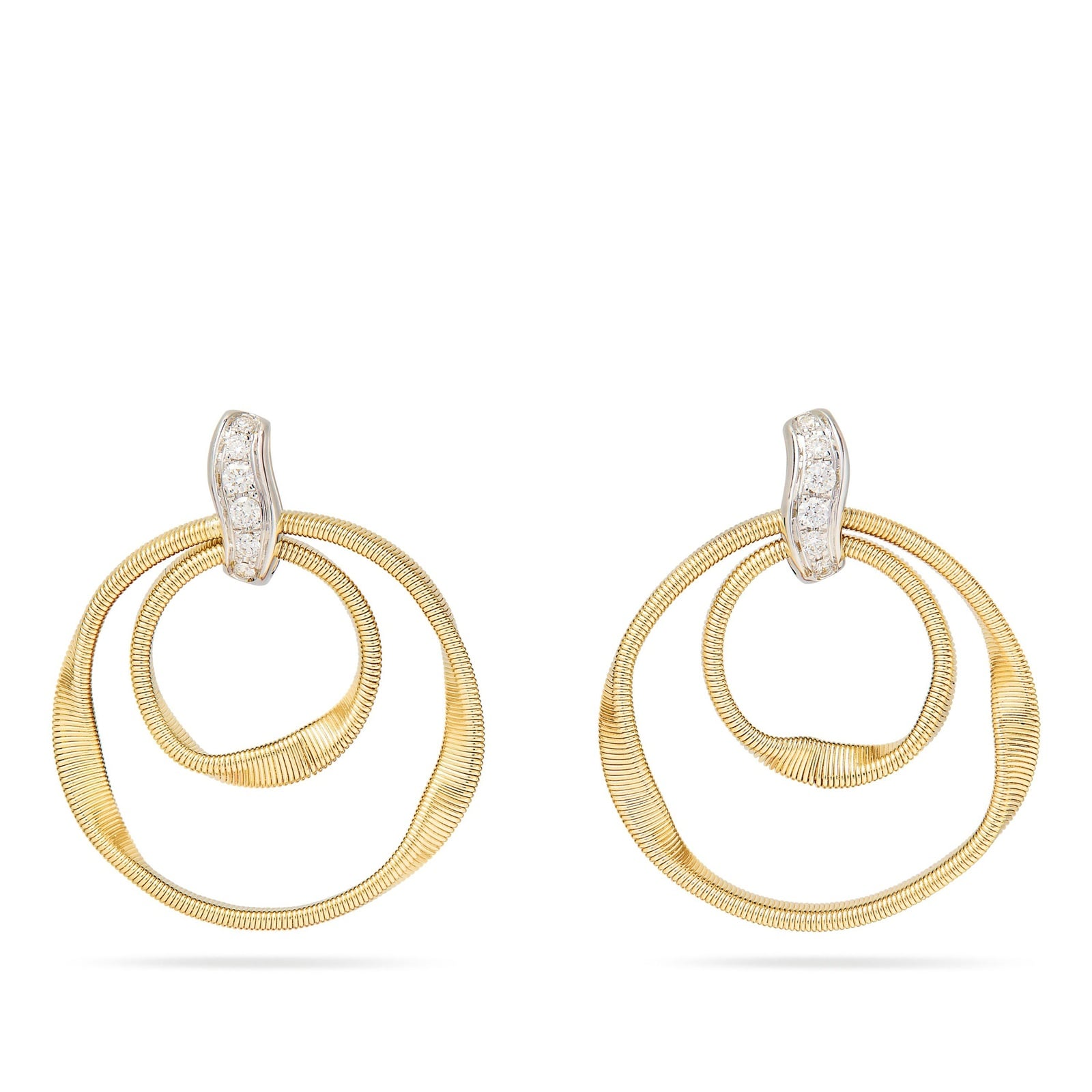
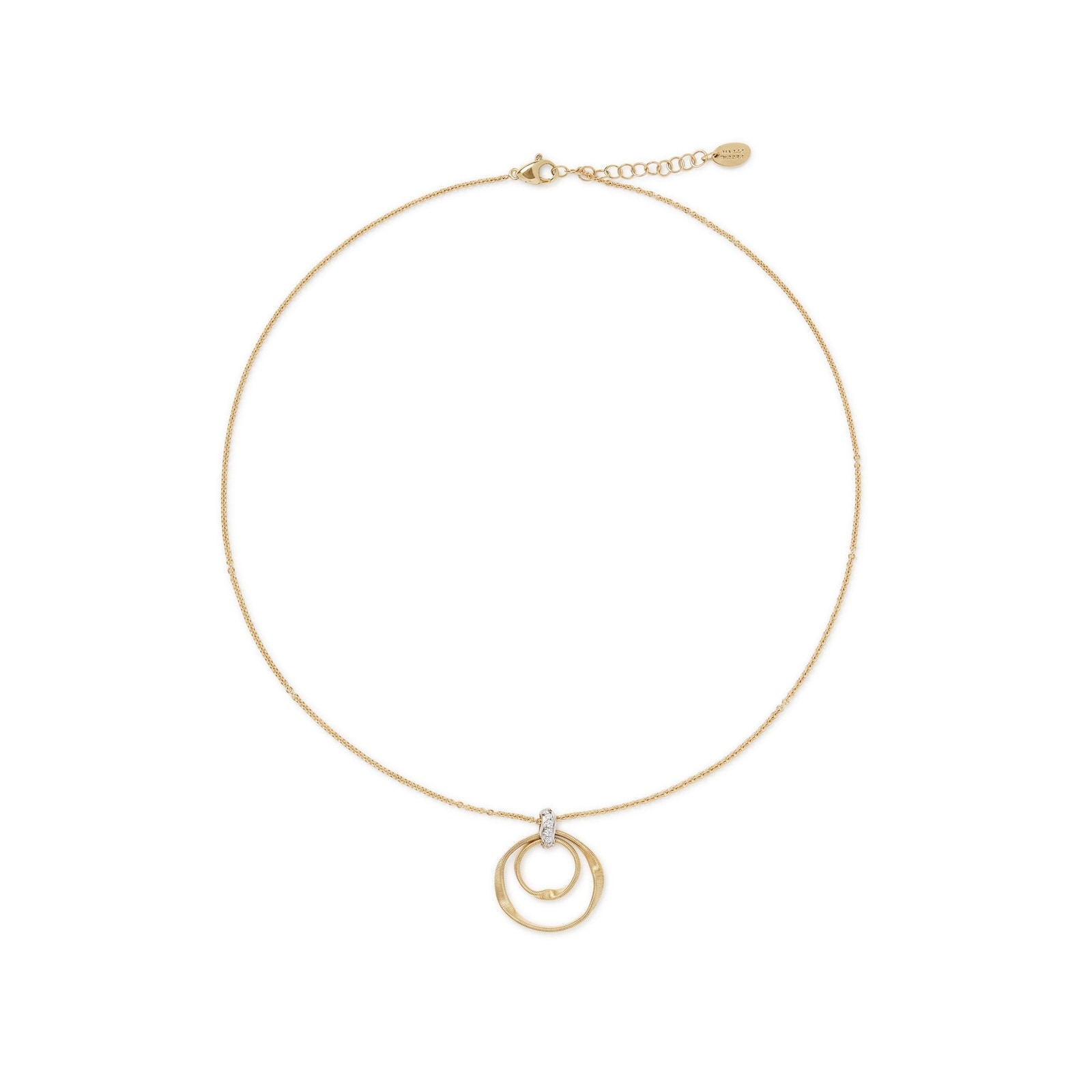
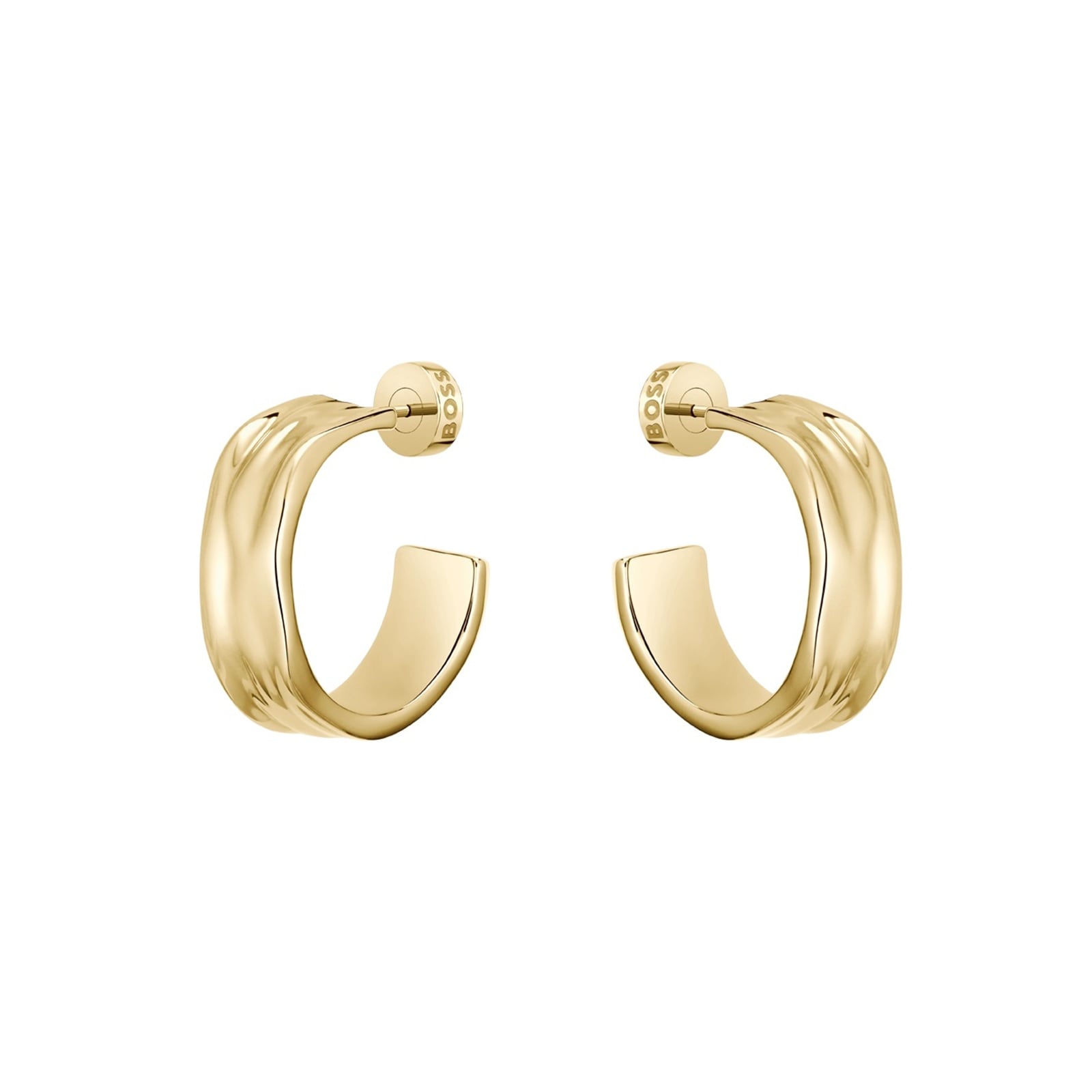
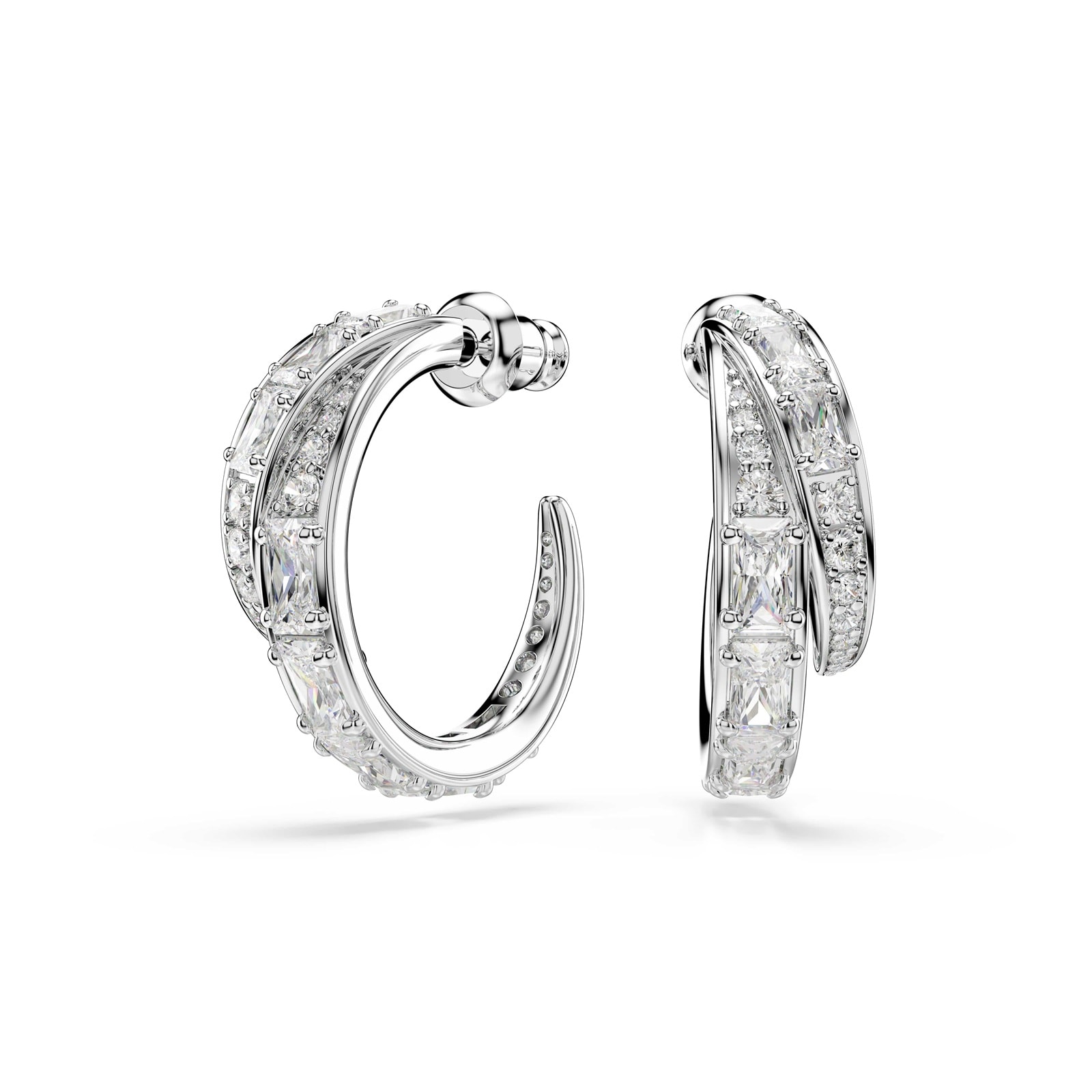
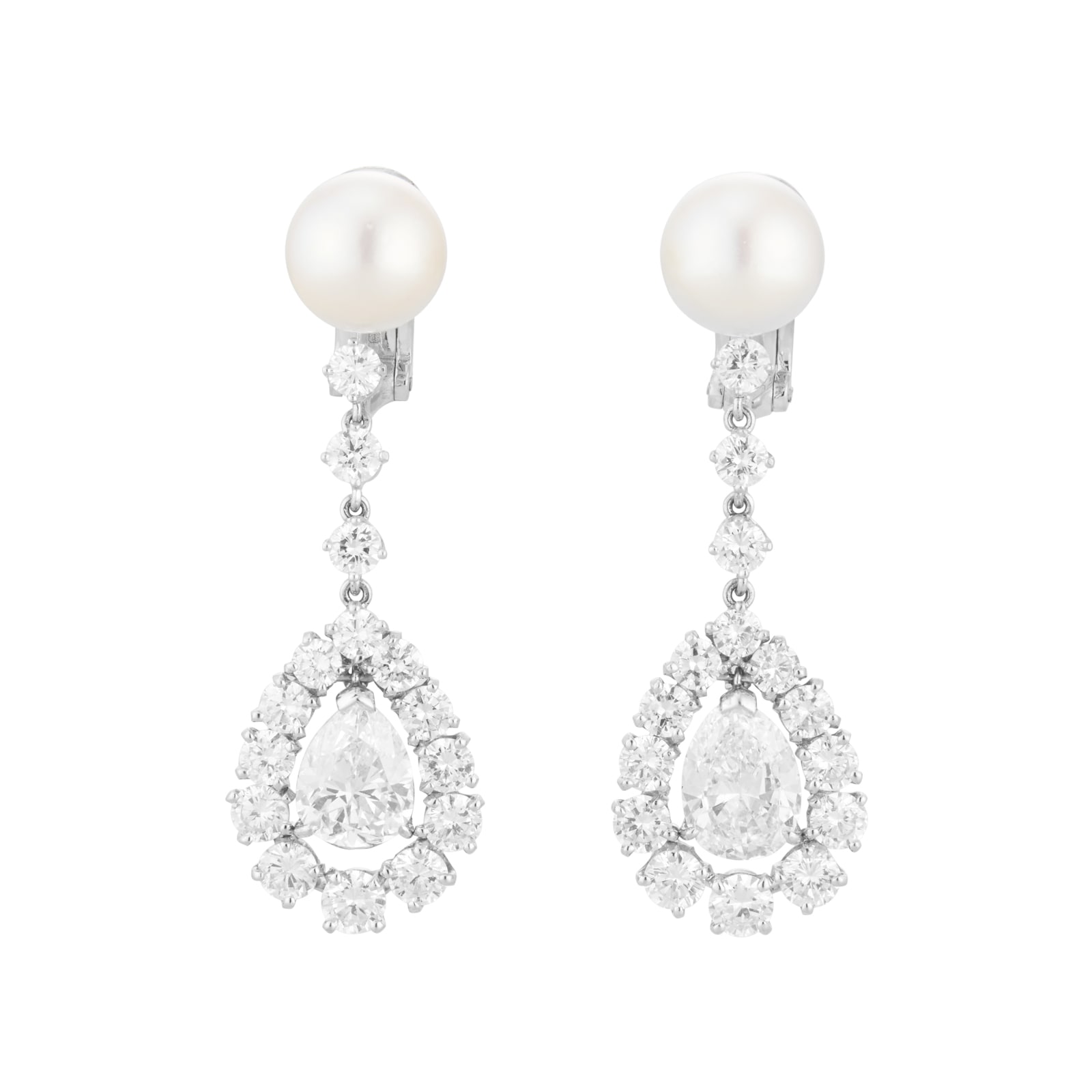
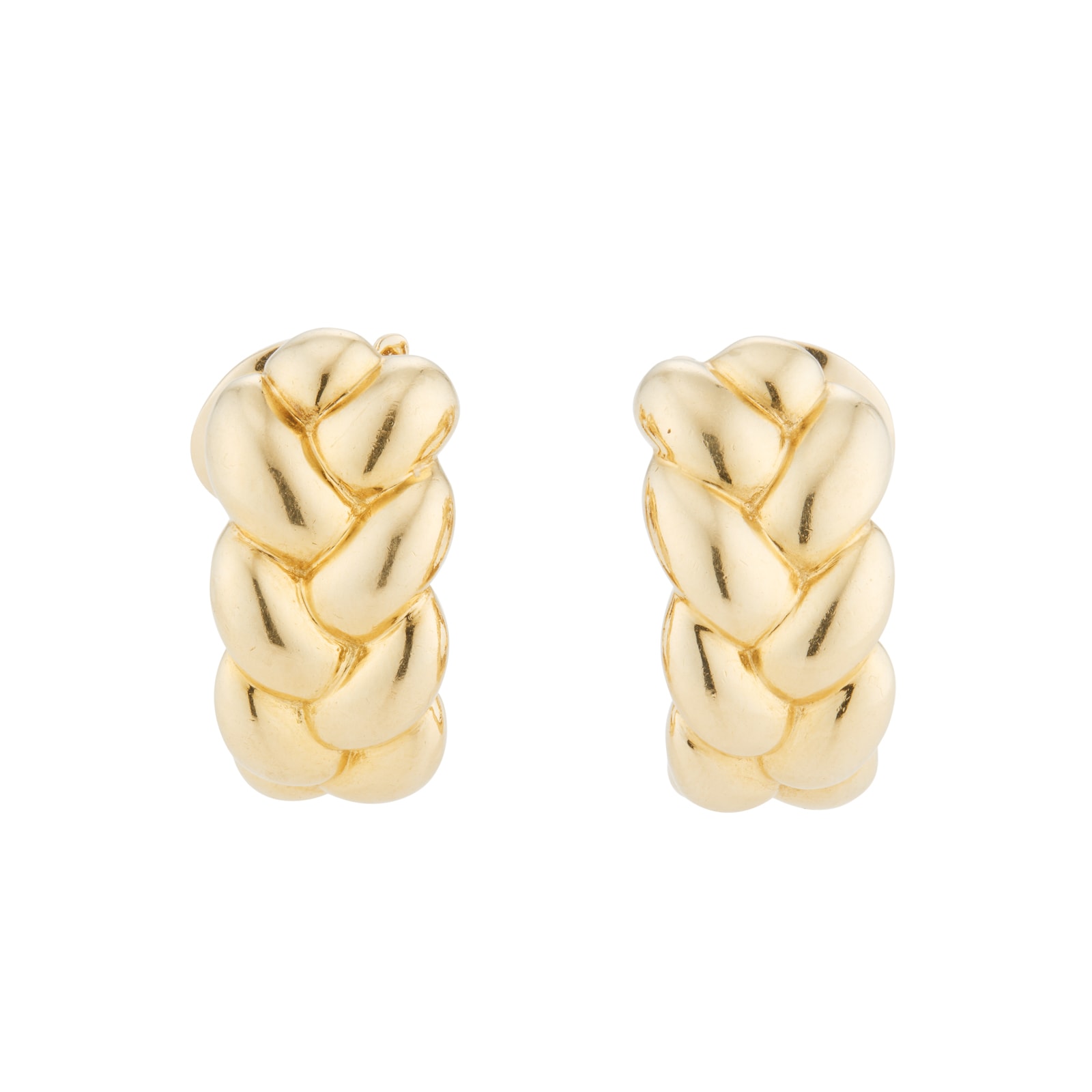
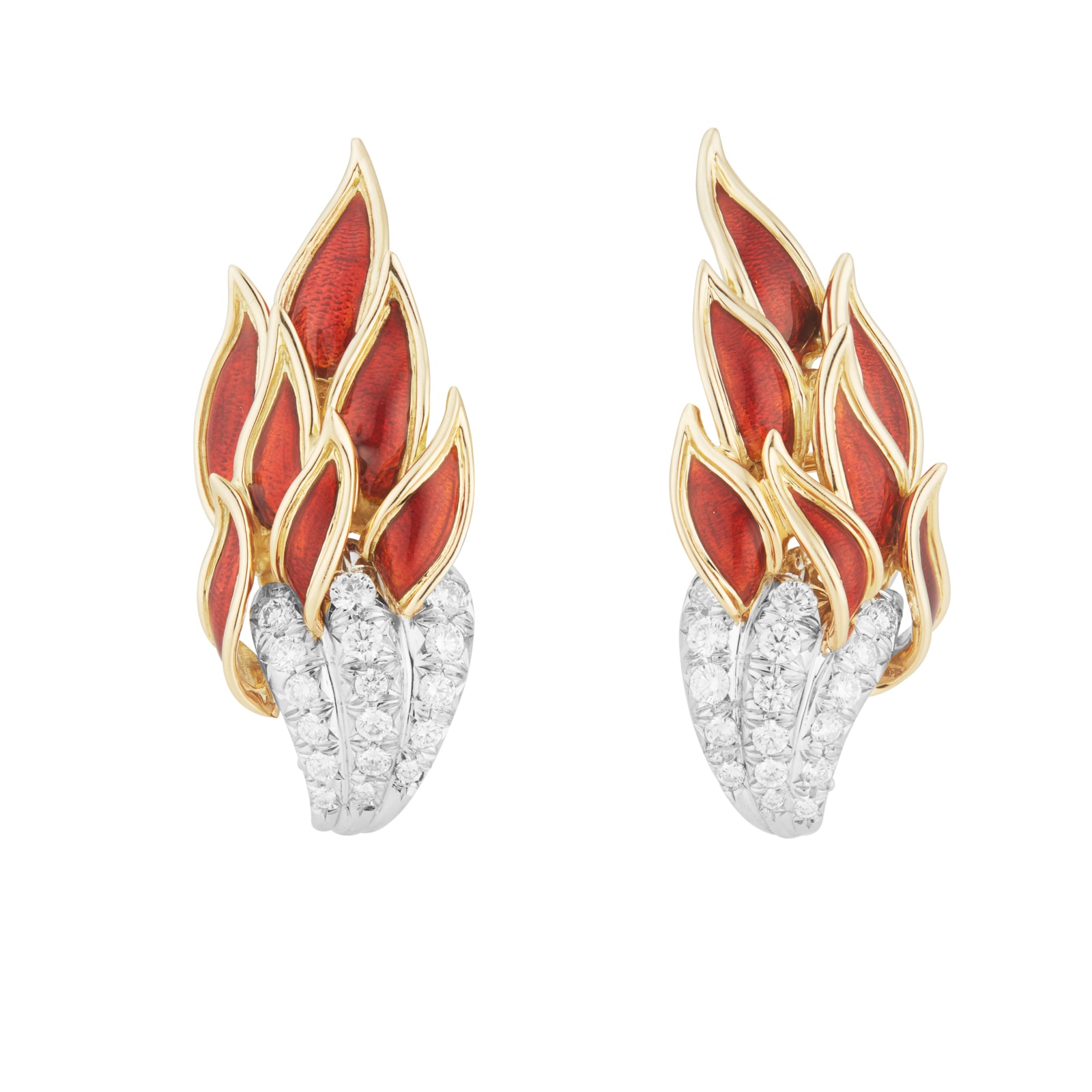
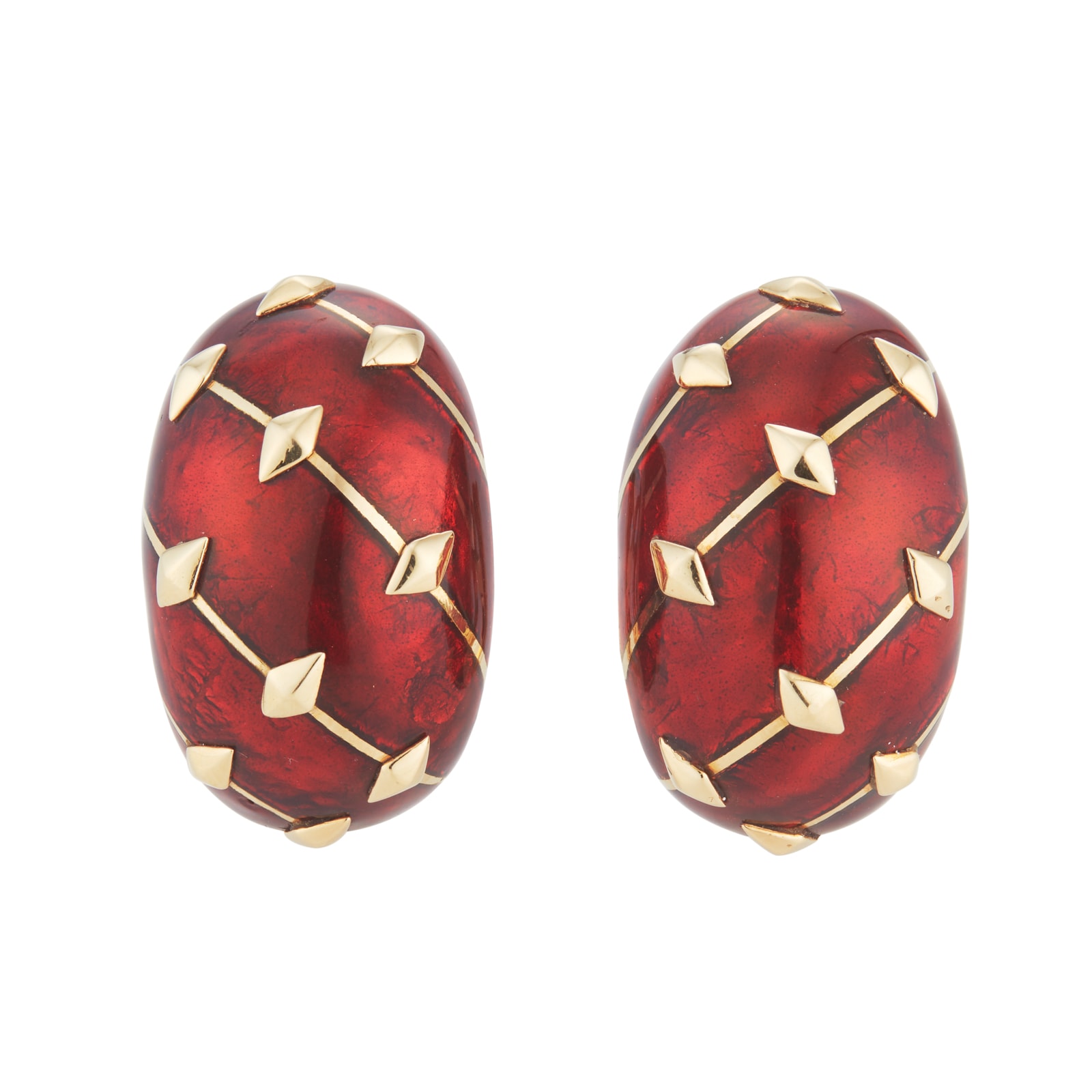
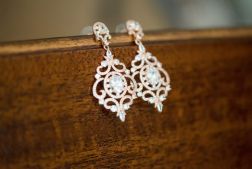
Laboratory-grown diamonds have fundamentally rewritten the economics of the American bridal market. A stone that would have commanded $12,000 in natural form five years ago can now be sourced for a fraction of that figure—provided the buyer knows precisely what they are looking at. That caveat carries enormous financial weight. According to industry pricing trackers, lab grown diamond wholesale prices have fallen by more than 70% since 2020, and in 2026 the spread between a well-documented, properly graded stone and a misrepresented one can exceed the entire cost of a fine setting. The seven mistakes detailed below are not hypothetical; they are the recurring failure points our gemologists encounter weekly across premier jewelry corridors and wholesale exchanges. For exquisite artisan craftsmanship and certified stone settings, examine this handcrafted Bezel Set Diamond Tiny Stud Earring.
Market Landscape and Industry Realities Shaping lab grown diamond bridal rings Purchases
Wholesale premiums for lab grown diamonds have compressed so dramatically that retail pricing models have fractured into two distinct camps: transparent per-carat pricing and legacy markup structures inherited from the natural diamond trade. Understanding this bifurcation is the first defense against overpayment. In 2019, a one-carat lab grown round brilliant with G color and VS1 clarity might have retailed near $4,500. By 2026, comparable certified stones trade in the $400 to $900 range depending on growth method, provenance documentation, and cut quality. Bridal rings assembled around these stones therefore demand a completely different valuation lens than their natural counterparts.
Always inspect the relationship between the center stone's certificate date and the ring's fabrication date before committing to a purchase. A certificate issued eighteen months before the setting was completed may indicate a stone that has circulated through multiple hands—or worse, one that has been re-polished after damage. Freshly graded stones paired with contemporaneous bench records represent the cleanest provenance chain available to retail buyers. The Diamond District's most reputable houses maintain these records as a matter of course, and any merchant who cannot produce them deserves scrutiny.
Across premier jewelry districts and wholesale exchanges, storefront overhead directly affects the final ticket on lab grown diamond bridal rings. A Madison Avenue salon carries rent, insurance, and security costs that a wholesale exchange counter does not, and those costs are baked into every ring. Buyers who understand this geography can negotiate more effectively—or simply choose the corridor that matches their budget without sacrificing certification standards. Access to certified Earrings showroom inventory and comparable bridal stock gives informed buyers a benchmark against which to measure any quoted price.
The most consequential market reality, however, is the absence of standardized resale liquidity. Unlike natural diamonds, which retain a measurable secondary market presence, lab grown stones have minimal resale value—often under 10% of original retail. Buyers who approach lab grown diamond bridal rings as investments rather than adornments set themselves up for disappointment. The correct framing is cost-per-wear and aesthetic satisfaction, not asset appreciation. Merchants who pitch lab grown bridal rings as "investment-grade" are either misinformed or deliberately misleading, and both possibilities warrant walking away.
The 4Cs, Sourcing and Pricing Benchmarks for lab grown diamond bridal rings
Independent gemological laboratories like GIA and IGI classify cut grade as the single greatest determinant of a lab grown diamond's visual performance, yet it is the C most frequently sacrificed by budget-focused buyers. A lab grown stone with D color and VVS1 clarity but a "Good" cut grade will appear duller than an H-color, VS2 stone with an "Excellent" cut. In bridal rings, where the center stone occupies the visual focal point, cut quality should never be compromised for color or clarity upgrades that the eye cannot detect.
Carat pricing for lab grown diamonds follows a non-linear curve, and the step between tiers is where buyers routinely overpay. The table below reflects 2026 wholesale benchmarks for certified round brilliants (G color, VS1 clarity, Excellent cut) sourced through reputable exchanges:
| Carat Tier | Wholesale Range (USD) | Typical Retail (USD) | Price Per Carat (Wholesale) |
|---|---|---|---|
| 0.50 – 0.69 ct | $180 – $320 | $450 – $850 | ~$400 |
| 0.70 – 0.99 ct | $280 – $520 | $700 – $1,400 | ~$550 |
| 1.00 – 1.49 ct | $420 – $780 | $1,100 – $2,100 | ~$620 |
| 1.50 – 1.99 ct | $650 – $1,150 | $1,700 – $3,200 | ~$720 |
| 2.00 – 2.99 ct | $1,100 – $2,400 | $2,800 – $6,500 | ~$950 |
Compared to machine-pressed gold settings, hand-fabricated platinum mounts provide superior stone security and a longer service life—but they also add $600 to $1,800 to the final ring cost depending on complexity. Buyers should separate the stone price from the setting price in every quote they receive. Bundled pricing obscures where the margin sits and makes negotiation nearly impossible. Request itemized quotes as a standard practice.
Clarity grading in lab grown diamonds presents a unique wrinkle: growth-related inclusions (metallic flux remnants, graphite inclusions) differ from natural inclusions and can sometimes be removed or reduced through post-growth treatment. A VS2 lab grown stone may have been clarity-enhanced, and if that treatment is undisclosed, the buyer has paid for a grade that is not inherent to the stone. Reputable labs now note certain treatments on certificates, but enforcement is inconsistent. Buyers should explore our curated Earrings collection and comparable certified bridal inventory to establish a baseline for what properly documented stones look like before evaluating any individual piece.
Fluorescence, a factor that commands significant premiums in natural diamonds, is largely irrelevant in lab grown stones because the growth process produces different trace elements. Sellers who attempt to charge a fluorescence premium on a lab grown diamond are applying natural-diamond pricing logic to a product where it does not belong. Similarly, "Type IIa" marketing—legitimate in the natural world—is nearly universal among lab grown stones and should not command a price premium. These are the small pricing levers where unsophisticated buyers lose hundreds of dollars without realizing it.
Premier Showroom Selection and Merchant Vetting for lab grown diamond bridal rings
Direct wholesale versus retail markup on lab grown diamond bridal rings can differ by 200% to 400% for identical specifications. A stone quoted at $2,400 in a bridal salon may be available for $700 through a wholesale exchange vendor carrying the same certificate. The difference is not fraud—it is overhead, marketing, and the willingness of the buyer to do the legwork. Buyers who want salon-level service should expect to pay for it; buyers who want wholesale pricing should be prepared to navigate exchange corridors with a checklist in hand.
Verify merchant credentials through three independent channels before trusting any showroom's claims. First, confirm membership in a recognized trade organization (Jewelers of America, for example) via the organization's public directory. Second, request the store's return policy in writing—not verbal assurance—and confirm it covers lab grown stones specifically, since some policies exclude them. Third, cross-reference the merchant's appraisal practices against a verified Earrings valuation report template to ensure their numbers reflect current market reality rather than inflated insurance values.
Negotiation protocols in the bridal market follow predictable patterns. Cash discounts of 3% to 5% are standard in exchange corridors. Setting labor is often negotiable when bundled with a stone purchase. Certificate re-issuance fees—sometimes quoted at $150 or more—are frequently absorbed by the merchant if pressed. The buyers who secure the best terms are those who arrive with competing quotes from multiple vendors and a clear understanding of wholesale benchmarks. Walking into a showroom without that preparation is the equivalent of accepting the first offer on a used car.
- Red flag: A merchant who discourages independent verification of a certificate number.
- Red flag: "Appraisal values" that exceed the purchase price by 300% or more—these are insurance inflation tactics, not market values.
- Red flag: Cash-only policies with no receipt trail on stones above $1,000.
- Tip: Ask to see the stone under daylight-balanced lighting (5000K–6500K), not just jewelry-store halogens that flatter every diamond.
- Tip: Request the certificate number in writing before payment so you can verify it independently.
Custom Design, Bench Fabrication and Certification for lab grown diamond bridal rings
Always cross-reference the laser inscription on the stone's girdle against the certificate number using a 10