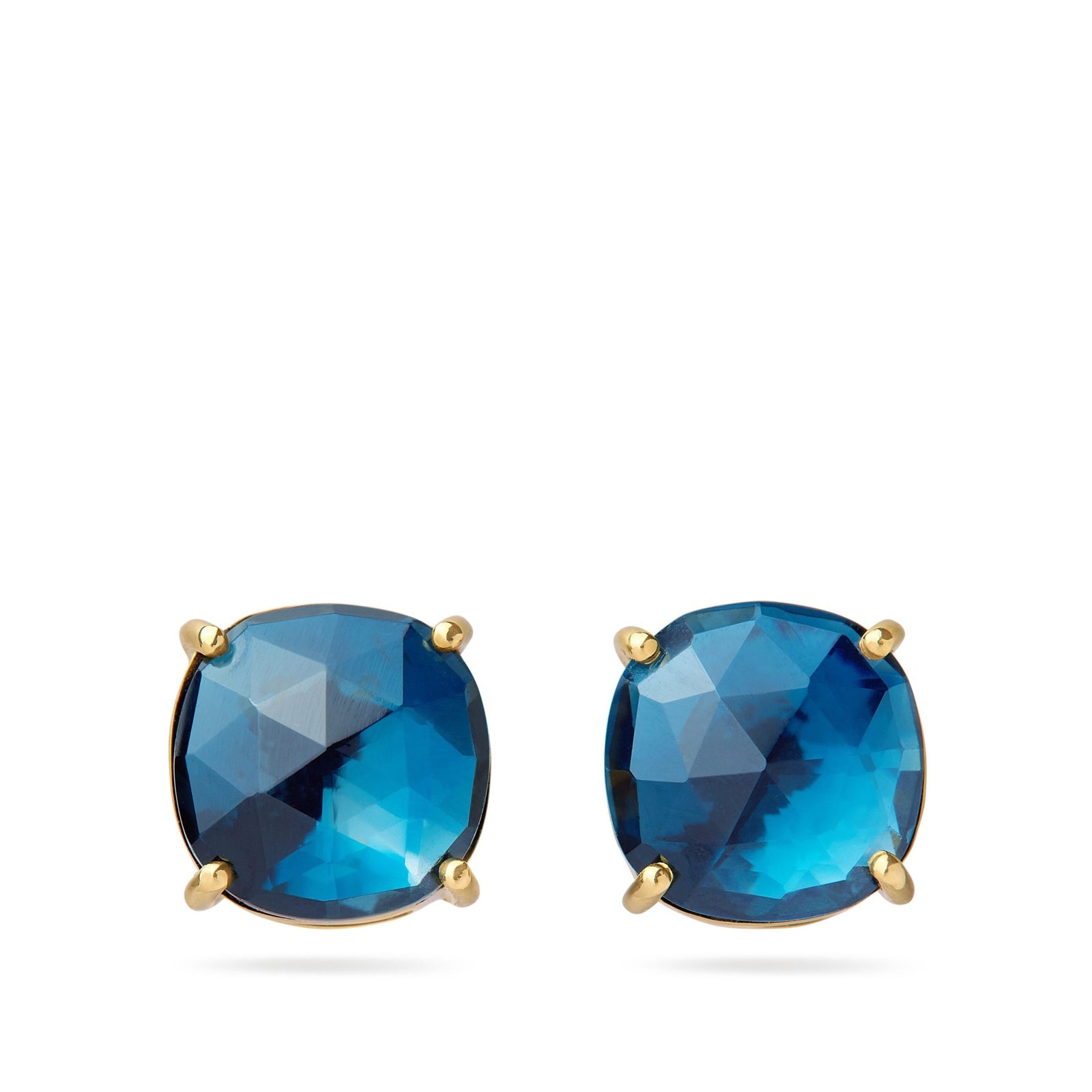
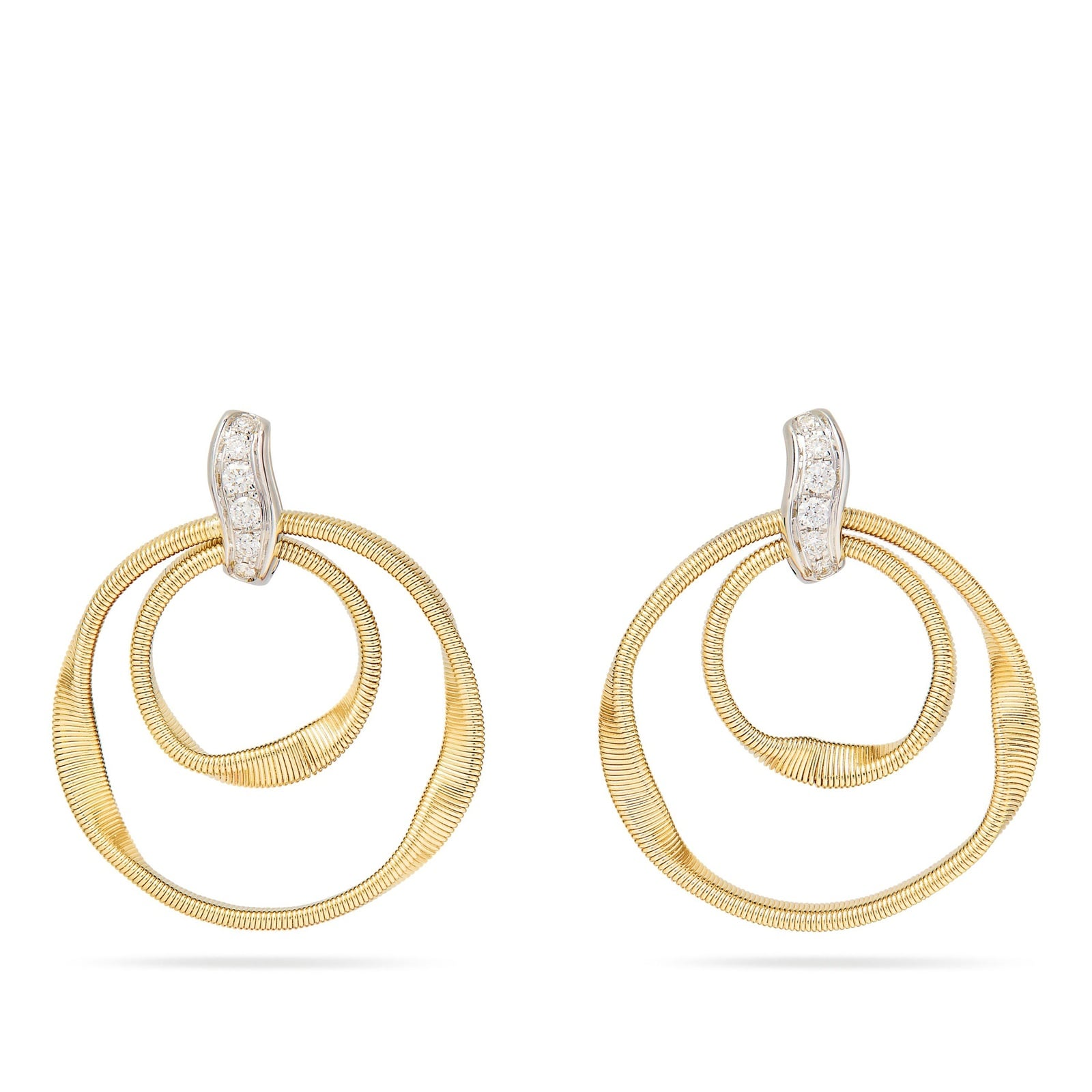
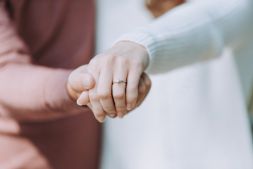
Across the premier jewelry corridors of the United States—from the 47th Street exchange in New York to the wholesale hubs of Los Angeles and Chicago—the lab grown diamond bridal ring market has undergone a seismic transformation. What began as a niche technological novelty has matured into a dominant force in bridal jewelry, commanding an estimated 20% of the global diamond engagement ring market by 2026. For the discerning buyer, this shift presents an unprecedented opportunity: the ability to acquire a ring of exceptional size and quality at a fraction of the historical cost of mined equivalents. However, this opportunity is accompanied by a new set of complexities. The traditional rules of diamond valuation have been rewritten, and the quality matrix for lab grown diamonds demands a rigorous, gemologist-level understanding. This guide serves as your authoritative blueprint, dissecting the 4Cs, cut proportions, clarity standards, and the wholesale realities that define the 2026 lab grown bridal ring landscape. For exquisite artisan craftsmanship and certified stone settings, examine this handcrafted Bezel Set Diamond Tiny Stud Earring.
Market Landscape & Industry Realities for Lab Grown Diamond Bridal Rings
Wholesale diamond premiums have collapsed dramatically over the past five years, with lab grown diamond prices now averaging 70% to 90% below their natural mined counterparts of identical specifications. This economic reality is the single most important context for any 2026 purchase. The production capacity of Chemical Vapor Deposition (CVD) and High Pressure High Temperature (HPHT) reactors has expanded exponentially, creating a supply glut that has fundamentally decoupled lab grown diamond pricing from the romantic scarcity narrative of mined stones. For bridal rings, this means a couple can now consider a 2.00-carat center stone that would have been financially out of reach in the mined market, allocating saved capital toward superior cut grades, higher color clarity, or more elaborate setting designs.
Always inspect the pavilion depth and table percentage under a 10x loupe before committing to any lab grown diamond bridal ring; these proportions are the invisible architecture of light performance. The market's maturation has also brought a critical distinction: not all lab grown diamonds are created equal. Early production batches often exhibited brownish or grayish tints and strained crystal structures, issues that modern quality control has largely mitigated. Yet, a significant volume of lower-grade lab grown material still circulates in the wholesale channel, often set in finished jewelry to obscure its deficiencies. This is why sourcing from a reputable, gemologist-vetted showroom is paramount. The best merchants maintain a certified Earrings showroom inventory that reflects rigorous screening for crystal quality, not just the 4Cs on a paper certificate. The bridal ring market now bifurcates into two tiers: mass-market fashion pieces with commercial-grade stones, and high-jewelry creations that demand the same gemological scrutiny as any fine mined diamond.
Across premier jewelry districts and wholesale exchanges, storefront overhead directly affects the final retail price of lab grown diamond bridal rings, creating a 30-50% variance between online wholesalers and traditional brick-and-mortar retailers. Understanding this landscape is not about seeking the cheapest price, but about identifying the fair market value for a given quality tier. The informed buyer recognizes that the lab grown diamond itself is a commodity with a rapidly depreciating wholesale price, while the value of a bridal ring is increasingly concentrated in the craftsmanship of the setting, the quality of the cut, and the integrity of the certification. This paradigm shift requires a new valuation mindset, one that prioritizes visual performance and certified quality over the mere carat weight that historically dominated bridal ring marketing.
The 4Cs, Sourcing & Pricing Benchmarks for Lab Grown Diamond Bridal Rings
Independent gemological laboratories like GIA and IGI classify cut grade as the single greatest determinant of a diamond's visual brilliance, yet it is the most frequently overlooked metric in the lab grown market. For a lab grown diamond bridal ring, the cut grade dictates how effectively the stone returns light to the viewer's eye. An 'Excellent' or 'Ideal' cut can make a 1.50-carat diamond appear larger and more fiery than a poorly cut 2.00-carat stone. The 2026 standard for bridal rings should be a triple excellent cut: excellent cut, excellent polish, and excellent symmetry. The table percentage should fall between 54% and 57%, with a crown angle between 34° and 35° and a pavilion depth between 42.5% and 43.5%. These proportions create the coveted 'hearts and arrows' pattern, a visual hallmark of precision cutting that is increasingly rare in mass-produced lab grown bridal rings.
Clarity grading for lab grown diamonds presents unique challenges. While the GIA and IGI scales are identical to mined diamonds (FL to I3), the nature of lab growth can produce distinctive inclusion types, such as metallic flux remnants in HPHT stones or dark graphite inclusions in CVD material. For bridal rings, the goal is an 'eye-clean' stone—one where no inclusions are visible to the naked eye. A clarity grade of VS1 or VS2 typically achieves this, offering an optimal balance of value and visual purity. SI1 stones can also be eye-clean, but require careful inspection of the clarity plot map to ensure inclusions are not positioned under the table facet where they would be most visible. The clarity plot map is your roadmap to the stone's internal character; always demand to review it alongside the certificate.
Color tints in lab grown diamonds can be subtle yet impactful. The industry standard for bridal rings is a color grade between D and G, with G serving as the practical threshold for a 'white' appearance in a platinum or white gold setting. However, lab grown diamonds can occasionally exhibit a blue or gray hue due to boron impurities or growth conditions, which may not be fully captured by the standard D-Z color scale. A color master set—a physical set of graded stones—is the only reliable way to calibrate your eye. When evaluating color, always view the diamond against a neutral white background, never against the metal of the setting, which can mask or exaggerate tints.
Carat weight thresholds for lab grown bridal rings have shifted dramatically. In 2026, a 1.00-carat lab grown diamond is considered a modest entry point, while 2.00 to 3.00 carats are the new standard for luxury bridal rings. The pricing curve for lab grown diamonds is less steep than for mined stones, meaning the jump from 1.50 to 2.00 carats may only cost 20-30% more, rather than the 50-70% premium seen in the mined market. This dynamic allows buyers to maximize visual spread per dollar spent. To explore our curated Earrings collection is to witness firsthand how these carat tiers translate into finished jewelry, as many showrooms display calibrated stones in various settings to demonstrate real-world size and brilliance.
| 4Cs Parameter | Premium Tier (Wholesale $/ct) | Mid Tier (Wholesale $/ct) | Commercial Tier (Wholesale $/ct) | Visual Impact Notes |
|---|---|---|---|---|
| Cut Grade | Excellent (Triple X) | Very Good | Good | Excellent cut maximizes fire and spread; Good cut may appear dull |
| Color Grade | D–F | G–H | I–J | D–F is colorless; G–H near-colorless; I–J may show faint tint in white metal |
| Clarity Grade | VVS1–VS2 | SI1–SI2 | I1–I2 | VS2 is typically eye-clean; SI1 requires plot map review; I grades are visibly included |
| Carat Weight (Round) | 1.50–3.00 ct | 1.00–1.50 ct | 0.50–1.00 ct | Larger stones amplify cut and clarity differences; 2.00 ct is the new bridal standard |
| Price Range (Ring Total) | $2,500–$6,000 | $1,200–$2,500 | $500–$1,200 | Prices include setting; lab grown premiums are 70-90% below mined equivalents |
Premier Showroom Selection & Merchant Vetting for Lab Grown Diamond Bridal Rings
Wholesale-to-retail markups on lab grown diamond bridal rings vary wildly, with some traditional retailers applying the same 2.5x to 3x keystone markup used for mined diamonds, while savvy wholesalers operate on 1.3x to 1.8x margins. This discrepancy means two identical rings can differ in price by thousands of dollars. The key to navigating this landscape is merchant vetting. A reputable showroom will provide transparent pricing breakdowns, separating the cost of the stone from the setting and labor. They will also welcome independent appraisal and certification verification. In the Diamond District and other major hubs, the most trustworthy merchants are often those who specialize in lab grown goods and have invested in the gemological expertise to grade them accurately.
Compared to machine-pressed gold settings, hand-fabricated platinum mounts provide superior durability and a more refined finish for lab grown diamond bridal rings, and this craftsmanship is a key differentiator among showrooms. When vetting a merchant, inquire about their bench jeweler's experience and whether the setting is cast or hand-fabricated. A hand-fabricated setting will have cleaner prongs, a more precise seat for the center stone, and a higher polish quality. This level of detail is often lost in mass-produced rings, where the focus is on volume rather than longevity. A