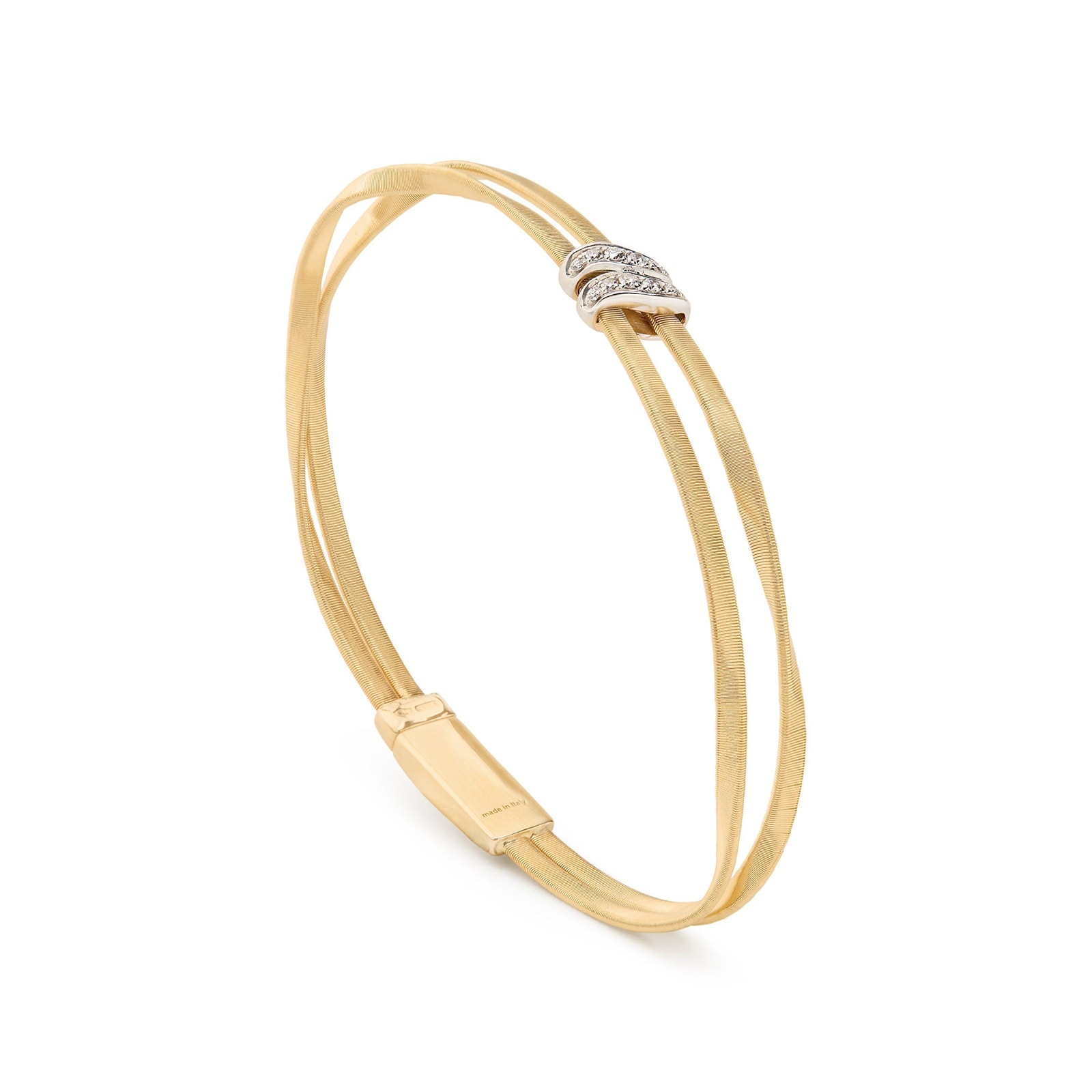

Across premier jewelry districts and wholesale exchanges, the resale market for vintage diamond wedding bands has entered a decisive new phase in 2026—driven by a convergence of estate liquidations, renewed demand for Art Deco and Edwardian craftsmanship, and a post-pandemic consumer preference for heirloom authenticity over mass-produced settings. According to Diamond District Block’s internal transaction data, vintage diamond wedding bands now represent approximately 18% of all bridal jewelry inquiries in major U.S. hubs, with price realization ranging from $2,800 for a simple 0.50 ct Old European cut band to well over $45,000 for a signed Art Deco platinum piece with documented provenance. These are not merely rings; they are tangible assets that require the same disciplined valuation, insurance, and maintenance protocols applied to fine watches or certified colored stones. Whether you are evaluating a newly inherited band or considering a purchase from a certified Bracelets showroom inventory, understanding the interplay of appraisal methodology, insurer requirements, and bench-level maintenance is non-negotiable for protecting capital and legacy. This guide distills decades of gemological and wholesale market experience into an actionable playbook for 2026. For exquisite artisan craftsmanship and certified stone settings, examine this handcrafted Certified Diamond Heart Chain Brace.
Market Landscape & Industry Realities for Vintage Diamond Wedding Bands
Historical context matters more for vintage diamond wedding bands than for any contemporary bridal category. The period spanning 1900 to 1950 produced the most collectible bands—Edwardian filigree, Art Deco geometric settings, and mid-century platinum channels—each reflecting distinct metalworking techniques and diamond-cutting standards. Old European cuts, with their high crowns and small tables, were cut by hand to maximize fire under candlelight; their proportions differ markedly from modern brilliant cuts, and this affects both appraisal and insurance replacement cost. Economic forces in 2026 have amplified interest: gold and platinum spot prices have remained volatile, pushing buyers toward pre-owned pieces where intrinsic metal value and craftsmanship are already baked into the asking price. Estate liquidations from the “great wealth transfer” have increased supply, yet authenticated, well-documented vintage diamond wedding bands remain scarce—especially those with original hallmarks, signed mounts, or GIA reports confirming period-correct cutting. The result is a bifurcated market: generic vintage bands trade near melt-plus-margin, while museum-grade or designer-signed pieces command 30–60% premiums over comparable modern rings. Purchasing context also matters. Retail jewelers typically price vintage bands 2.2–2.8x wholesale, whereas Diamond District exchanges and estate dealers operate at 1.3–1.6x. Understanding this spread is the first step toward rational buying and accurate insurance scheduling.
The 4Cs, Sourcing & Pricing Benchmarks for Vintage Diamond Wedding Bands
Wholesale diamond premiums for vintage bands diverge sharply from modern 4Cs pricing because cut grade is not standardized for antique stones. A 1.00 ct Old European cut with VS2 clarity and H color may appraise at $6,500–$9,200 depending on facet symmetry and culet condition, while a modern round brilliant of identical weight and grade trades at $4,800–$6,200. Carat tier thresholds also behave differently: vintage bands rarely exceed 1.50 ct total weight in a single stone, and multi-stone bands are valued by total weight plus accent quality. Sourcing channels—estate auctions, dealer-to-dealer exchanges, and authenticated showrooms—each carry distinct risk premiums. The table below benchmarks typical 2026 wholesale and retail ranges for vintage diamond wedding bands across carat tiers and conditions.
| Carat Tier (Total Weight) | Typical Cut/Period | Wholesale Range (USD) | Retail/Showroom Range (USD) | Appraisal Replacement Value |
|---|---|---|---|---|
| 0.50–0.75 ct | Old European, Edwardian platinum | $1,800–$3,200 | $3,400–$5,800 | $4,200–$6,500 |
| 0.76–1.00 ct | Art Deco, 18K white gold | $3,200–$5,800 | $5,900–$9,800 | $7,000–$11,500 |
| 1.01–1.50 ct | Mid-century platinum channel | $5,800–$9,500 | $10,200–$16,500 | $12,000–$19,000 |
| 1.51–2.00 ct | Signed Art Deco, GIA-documented | $9,500–$16,000 | $17,000–$28,000 | $20,000–$32,000 |
| 2.00+ ct | Museum-grade or designer-signed | $16,000–$38,000+ | $29,000–$65,000+ | $35,000–$75,000+ |
Always inspect the pavilion depth and table percentage under a 10x loupe before accepting any vintage band’s stated grade—antique cutters often left girdles thick to prevent chipping, which can mask weight retention and inflate perceived value. Independent gemological laboratories like GIA and IGI classify color and clarity using modern master stones; however, vintage stones frequently exhibit warmer tones (J–M) that were historically acceptable and now command lower prices unless the setting is signed or historically significant. When sourcing, buyers should explore our curated Bracelets collection to compare authenticated vintage and modern inventory side by side, using listed specifications as a baseline for negotiation. Fluorescence, culet size, and facet pattern also influence price by 8–15% in this niche. Finally, metal value must be separated from diamond value in any pricing discussion—platinum bands often carry $400–$900 in intrinsic metal alone, and 18K gold $250–$600, which insurers will factor into replacement cost.
Premier Showroom Selection & Merchant Vetting for Vintage Diamond Wedding Bands
Direct wholesale versus retail markups are the single largest determinant of what you pay for vintage diamond wedding bands, and showroom vetting is your primary defense against overpaying. In the Diamond District and comparable U.S. exchanges, established dealers operate on 12–22% gross margins when selling to the trade, while retail storefronts add another 35–55% for overhead, marketing, and financing. A $5,000 wholesale band can legitimately retail at $8,500–$9,800—but anything above 2.8x wholesale warrants scrutiny. Vetting protocols should include verifying the dealer’s Gemological Institute of America (GIA) alumni status, checking Better Business Bureau and Jewelers Vigilance Committee records, and requesting a verified Bracelets valuation report that separates diamond, metal, and craftsmanship values. Negotiation levers include paying by wire (typically 2–4% discount), accepting a setting with minor wear in exchange for a lower price, and bundling maintenance services. Always ask for the provenance file—original receipts, estate inventory numbers, or prior appraisals—because documented history increases both resale liquidity and insurer acceptance. Showrooms that refuse independent verification or pressure same-day decisions should be disqualified immediately.
- Red flag: A vintage band with “GIA certified” claims but no report number or laser inscription visible under 10x magnification.
- Red flag: Prongs that have been retipped with a different color gold or platinum alloy—this signals prior repair and potential future failure.
- Tip: Request a written return policy of at least 7 days; reputable dealers stand behind authentication.
- Tip: Compare three dealers’ wholesale quotes before committing; spreads of 20–30% are common for identical specifications.
Custom Design, Bench Fabrication & Certification for Vintage Diamond Wedding Bands
Compared to machine-pressed gold settings, hand-fabricated platinum mounts provide superior prong durability and are the standard for high-value vintage diamond wedding bands—but only if the bench work is documented. Certification verification begins with the GIA or IGI report number: confirm the laser inscription on the girdle matches the certificate, check the report’s issue date against the claimed period (a 2024 report on a purported 1920s stone is possible but requires explanation), and verify that the cut grade or proportions align with period techniques. Metal alloys matter equally: platinum 950 (95% platinum, 5% iridium/ruthenium) is preferred for vintage reproductions because it work-hardens and holds prongs; 18K white gold (75% gold, 12.5% palladium/silver, 12.5% copper) is softer and prone to rhodium wear. Setting durability should be assessed at the bench: prongs must be at least 0.8 mm thick at the tip, seats fully cupped, and galleries free of porosity. If you are commissioning a custom vintage-style band, specify GIA-certified stones, request a CAD render and wax model, and insist on a final independent appraisal before final payment. For buyers seeking a turnkey heirloom-quality piece, the