
Vintage diamond wedding bands occupy a peculiar and increasingly scrutinized corner of the luxury jewelry market in 2026. They are simultaneously heirlooms, commodities, and style statements—objects whose value is dictated not only by the four Cs but by provenance, period authenticity, and, most controversially, whether the stones inside them were formed by geological forces over billions of years or grown in a reactor over several weeks. For buyers navigating premier jewelry hubs and wholesale exchanges across the United States, the natural-versus-lab-grown decision is no longer a simple ethical preference; it is a financial, gemological, and resale-strategy decision with measurable consequences.
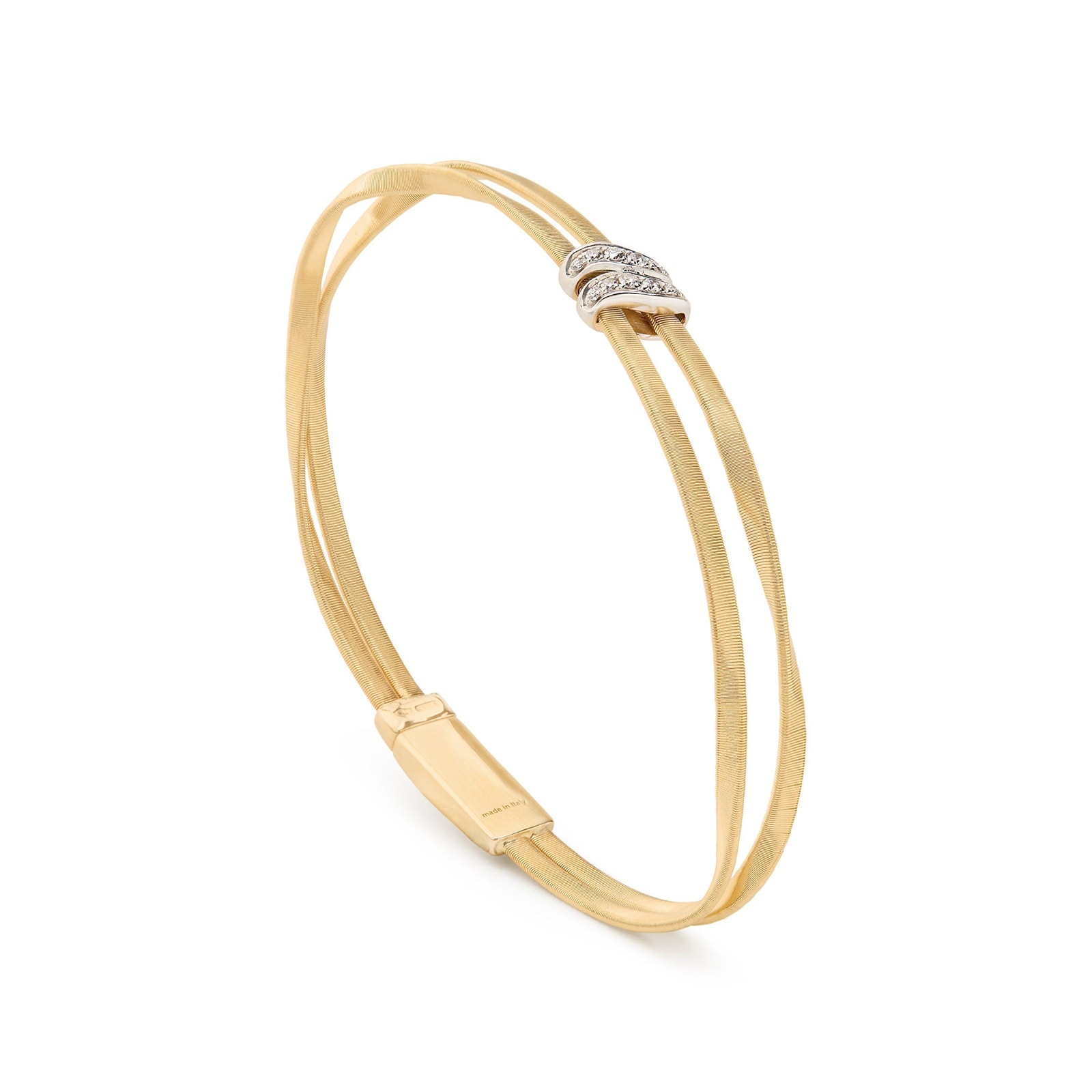
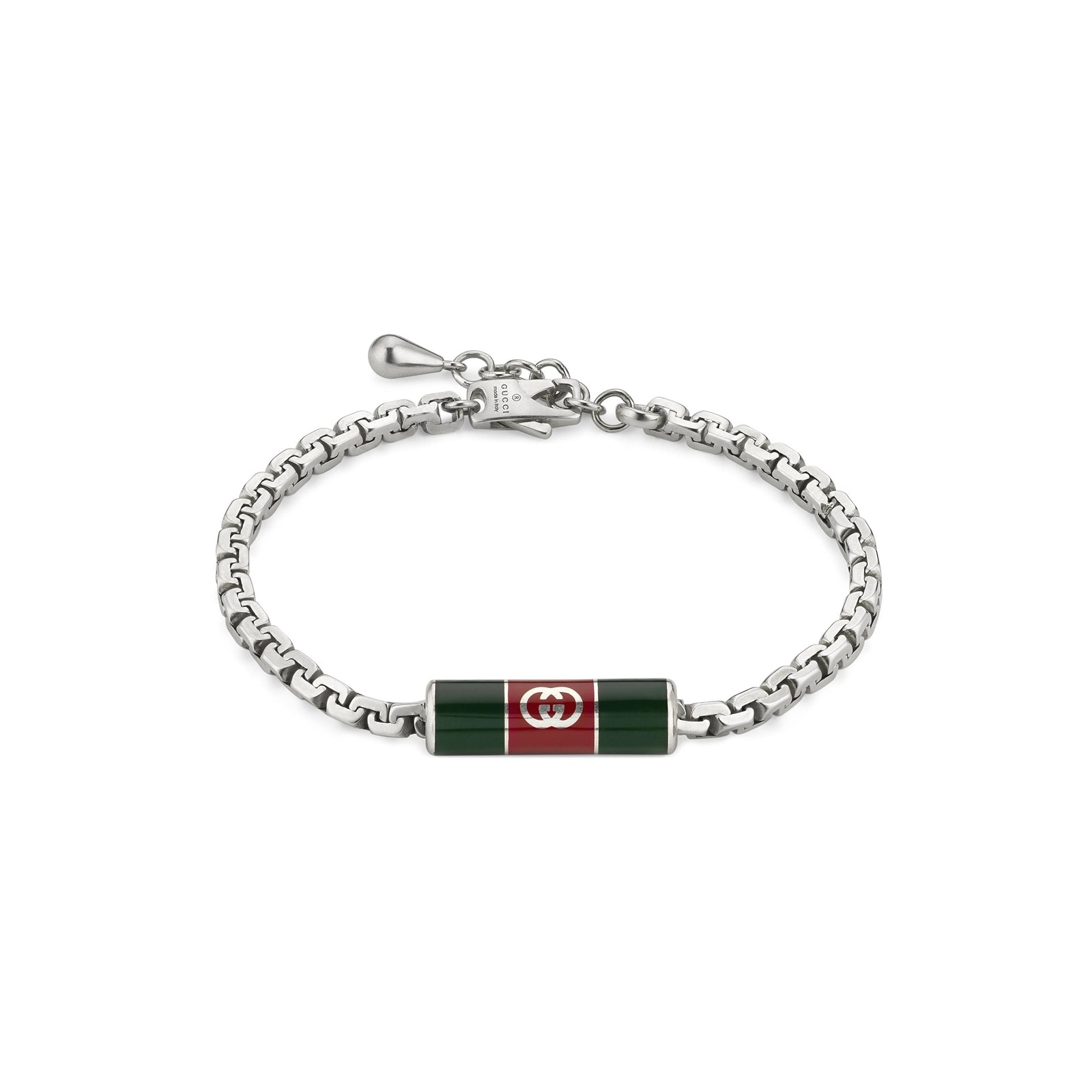
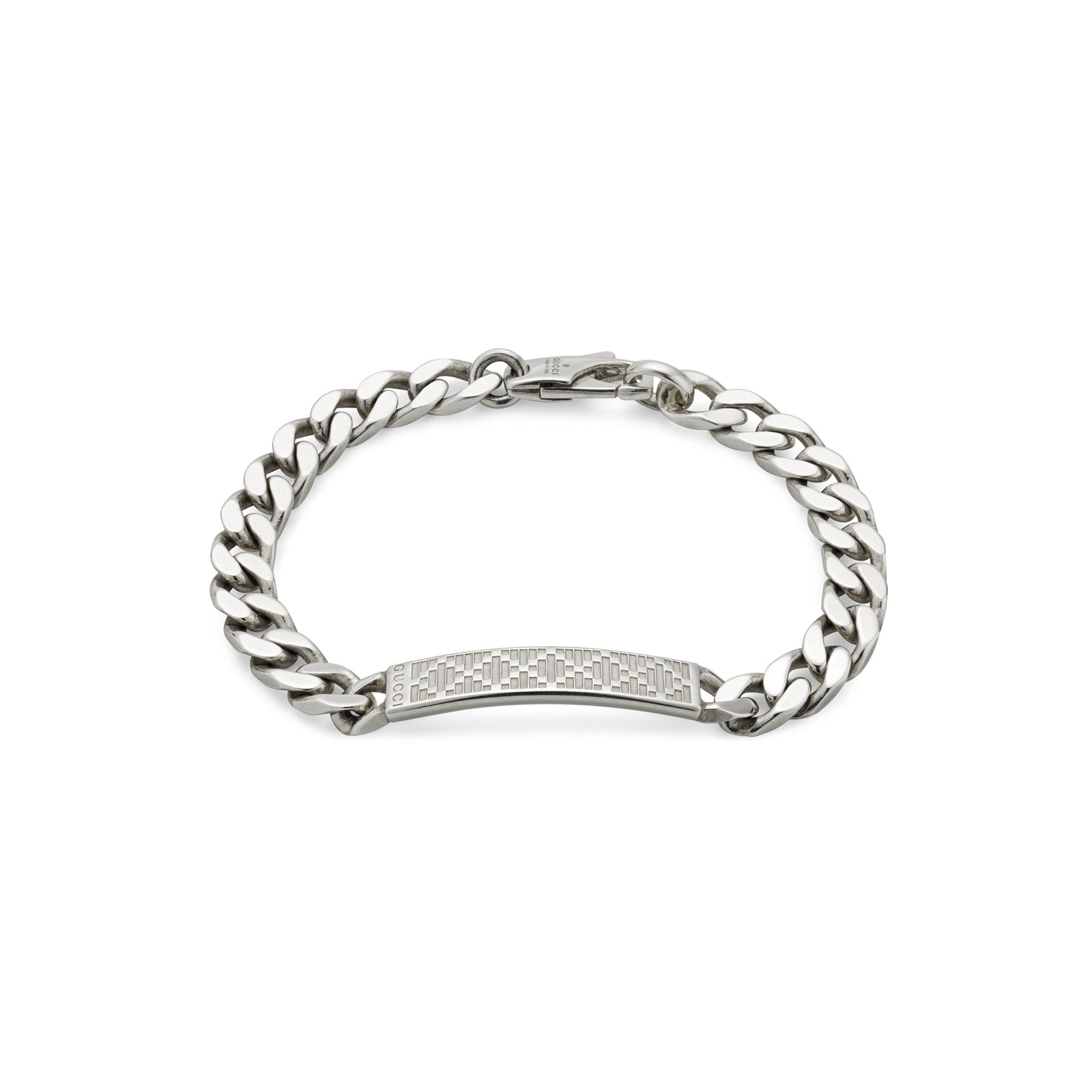
This guide is written from the bench and the vault—not the marketing brochure. We will dissect synthesis methods, quantify depreciation, compare insurance appraisal treatment, and outline exactly how to vet a merchant before you wire funds. Whether you are sourcing a signed Art Deco band or commissioning a new piece with a vintage-inspired aesthetic, the same rules apply: understand what you are buying, who certified it, and what the secondary market will actually pay. For exquisite artisan craftsmanship and certified stone settings, examine this handcrafted Certified Diamond Heart Chain Brace.
Market Landscape & Industry Realities for vintage diamond wedding bands
Across premier jewelry districts and wholesale exchanges, storefront overhead, memo financing, and brand licensing directly affect the sticker price of every band on display. The vintage segment, however, adds a layer of complexity: period authenticity commands a premium that is only partially recoverable on resale. A 1920s platinum band with original single-cut diamonds may trade at a 20–35% premium over a modern equivalent at retail, yet that premium compresses dramatically when the piece is resold outside a curated auction environment.
Globally, the lab-grown diamond market has matured into a volume business. Production capacity in India and China has driven wholesale prices for certified lab-grown stones down by well over 90% since 2015, and the vintage-inspired category has absorbed much of that supply. Natural diamond supply, by contrast, remains constrained by mine depletion and declining exploration budgets. The result is a widening bifurcation: natural vintage bands hold a defensible resale floor tied to the intrinsic value of the stone and metal, while lab-grown bands behave more like fashion accessories with a steep first-year depreciation curve.
Consumer behavior in 2026 reflects this bifurcation. First-time buyers are increasingly comfortable with lab-grown stones for daily-wear bands, while collectors and estate buyers continue to prioritize natural stones with documented provenance. The smartest purchasers treat the two categories as separate asset classes rather than substitutes. Before committing capital, serious buyers should review certified Bracelets showroom inventory to calibrate current retail benchmarks against wholesale comps, because showroom pricing on comparable certified pieces is the single best reality check on any quoted figure.
Historical context matters here. The vintage wedding band market was historically driven by estate liquidations and antique dealers, but in the past decade, branded houses and certified pre-owned platforms have professionalized the category. That professionalization has raised authenticity standards and, paradoxically, made it easier for lab-grown stones to be set into period-style mounts and sold as "vintage-inspired." The distinction between genuine vintage and vintage-inspired is now one of the most important diligence questions a buyer can ask.
The 4Cs, Sourcing & Pricing Benchmarks for vintage diamond wedding bands
Independent gemological laboratories like GIA and IGI classify cut grade as the single greatest determinant of a diamond's optical performance, yet in vintage bands, cut grade is often compromised by period cutting techniques. Old European cuts and single cuts were designed for candlelight, not modern brilliance metrics, so a vintage stone with an "excellent" modern cut grade is rare and commands a premium. Buyers must decide whether they are purchasing period character or modern sparkle—and price accordingly.
Always inspect the pavilion depth and table percentage under a 10x loupe before accepting a quoted grade. Vintage stones frequently exhibit slightly thick girdles and larger culets, both of which reduce light return but authenticate the period. Certification laboratories will note these characteristics, and a reputable dealer will disclose them. The table below summarizes typical 2026 pricing benchmarks for natural versus lab-grown stones in vintage-style bands, based on wholesale exchange data.
| Carat Tier (Total Weight) | Natural Diamond Band (Retail) | Lab-Grown Diamond Band (Retail) | Natural Resale (Est.) | Lab-Grown Resale (Est.) |
|---|---|---|---|---|
| 0.50 ct | $2,800 – $4,500 | $900 – $1,600 | $1,100 – $1,900 | $150 – $350 |
| 1.00 ct | $5,500 – $9,500 | $1,400 – $2,600 | $2,200 – $4,000 | $250 – $600 |
| 1.50 ct | $9,000 – $16,000 | $2,200 – $4,200 | $3,600 – $7,000 | $400 – $900 |
| 2.00 ct+ | $15,000 – $35,000+ | $3,500 – $7,500 | $6,000 – $15,000 | $600 – $1,500 |
Compared to machine-pressed gold settings, hand-fabricated platinum mounts provide superior stone retention and a higher intrinsic metal value, which materially affects resale. Platinum's density and wear resistance make it the preferred metal for vintage bands, and its scrap value provides a floor under the resale price. Eighteen-karat gold offers a warmer aesthetic and slightly better liquidity in some regional markets, but platinum remains the collector's standard.
Certification standards also differ by category. Natural stones above 0.50 ct should carry GIA or AGS reports; lab-grown stones should carry IGI or GIA LG reports with explicit "Laboratory-Grown" nomenclature. A certificate that omits the growth method is a red flag. Buyers who want to benchmark current pricing across certified pieces can explore our curated Bracelets collection to compare listed prices against the benchmarks above, keeping in mind that retail listings typically carry 40–60% gross margins over wholesale.
CVD vs HPHT Synthesis: What the Chemistry Actually Means
Chemical vapor deposition (CVD) and high-pressure high-temperature (HPHT) synthesis produce diamonds that are chemically and optically identical to natural stones, but their growth signatures differ. CVD diamonds often exhibit layered growth striations under magnification and may require post-growth treatment to remove brownish tints. HPHT diamonds can show metallic flux inclusions and distinctive growth patterns. Neither method is inherently superior, but the growth method affects treatment disclosure and, in some cases, long-term color stability.
For vintage-inspired bands, the choice of synthesis method is largely invisible to the naked eye. However, a buyer paying a premium for a "vintage" aesthetic should insist on full disclosure of the growth method and any post-growth treatments. GIA and IGI reports now routinely specify CVD or HPHT, and this information should be reflected in the appraisal.
Premier Showroom Selection & Merchant Vetting for vintage diamond wedding bands
Wholesale-to-retail markups in the vintage band category typically range from 2.0x to 3.5x, depending on the merchant's overhead, brand positioning, and the provenance of the piece. A band sourced at a wholesale exchange for $4,000 may appear in a Fifth Avenue showroom at $9,500 with a certificate and a story. Neither price is inherently dishonest—but the buyer must understand what the premium is purchasing: authentication, warranty, return policy, and reputational accountability.
Vetting a merchant begins with documentation. Ask for the original certificate, the invoice from the previous owner if available, and a written statement of the metal content and stone specifications. Reputable dealers will provide a verified Bracelets valuation report that aligns with current market data, not a generic template. Cross-check the certificate number directly with GIA or IGI's online verification portal before negotiating.
Negotiation protocols in the Diamond District and other premier hubs follow a predictable rhythm. Initial quotes are typically 15–25% above the merchant's target sale price, leaving room for discount. Cash transactions may secure a 3–5% reduction, though buyers should weigh this against the loss of credit-card chargeback protection. For pieces above $10,000, an independent appraisal from a gemologist unaffiliated with the seller is standard practice and should be budgeted at $150–$350.
"The certificate tells you what the stone is. The merchant's willingness to let you verify it independently tells you who they are." — Senior Diamond District appraiser, 2025
Showroom selection should also account for return policy and warranty terms. A 14-day return window with a restocking fee is common; a 30-day no-questions-asked policy is a strong signal of confidence. For vintage pieces, ask whether the merchant will warranty the setting for stone loss—an important consideration given the age of prongs and the fragility of period mounts.