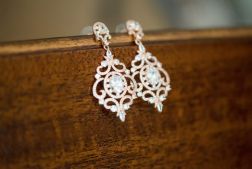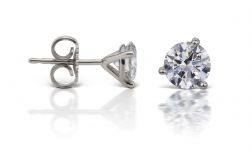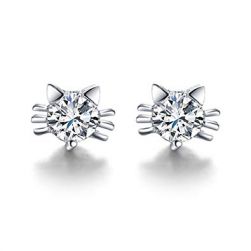
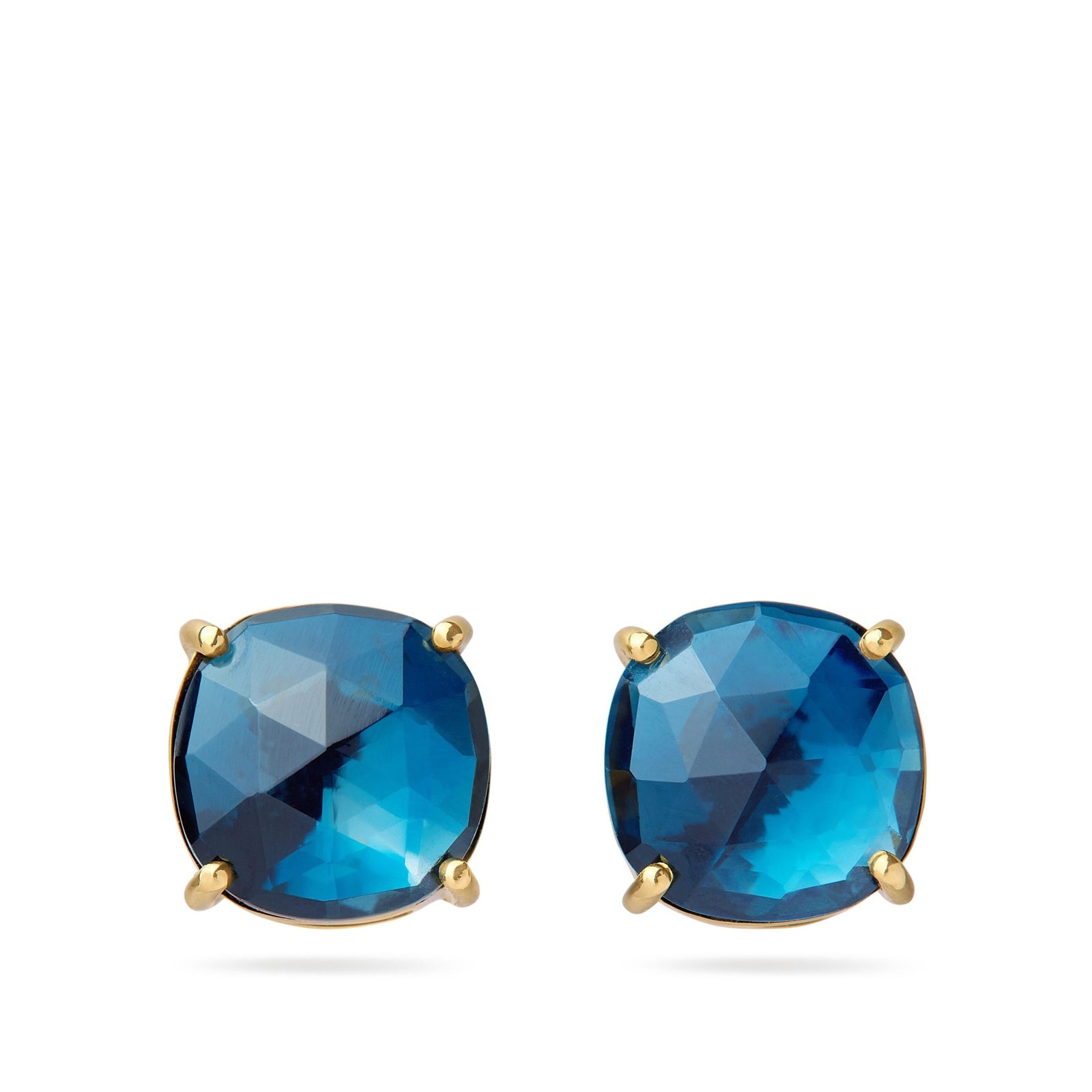
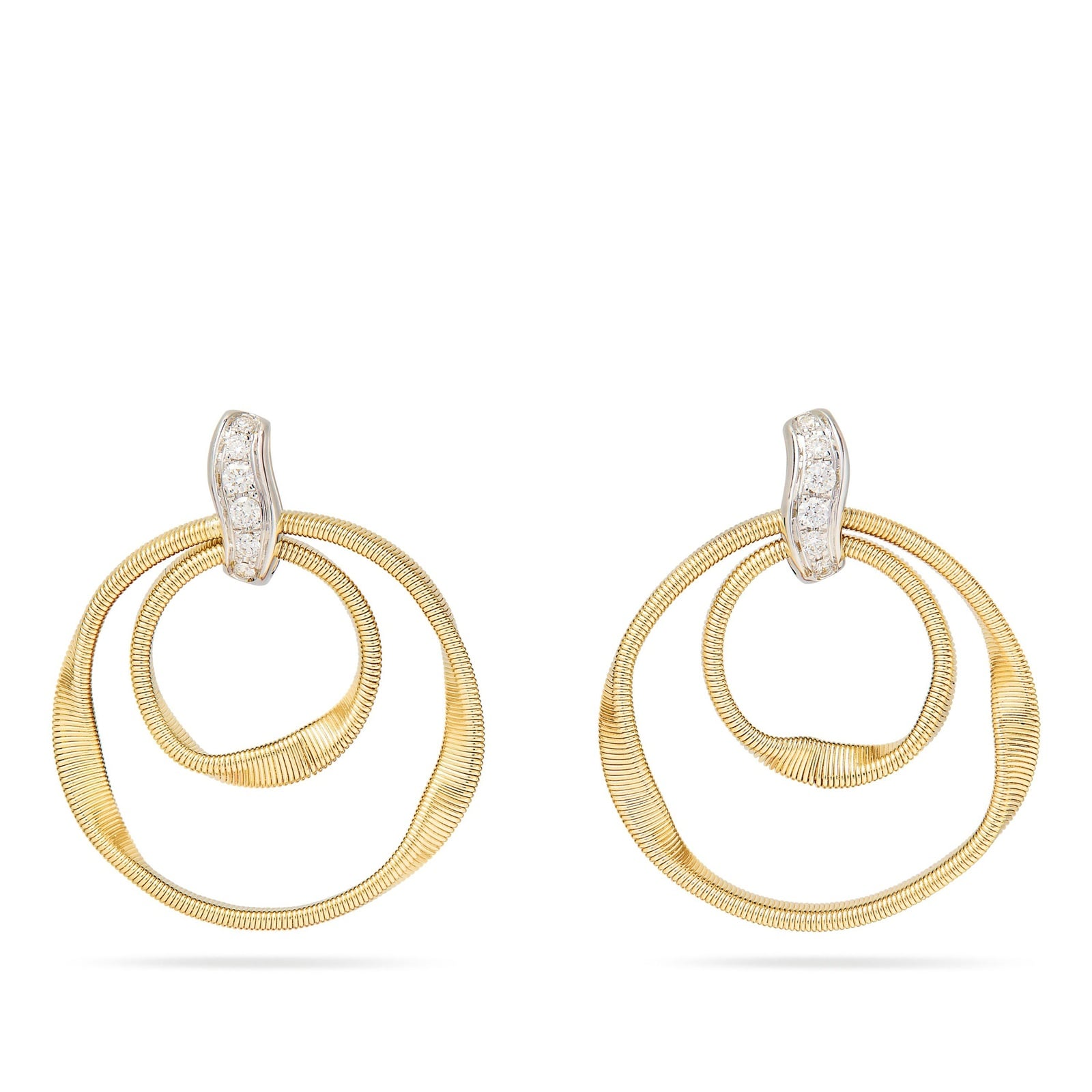
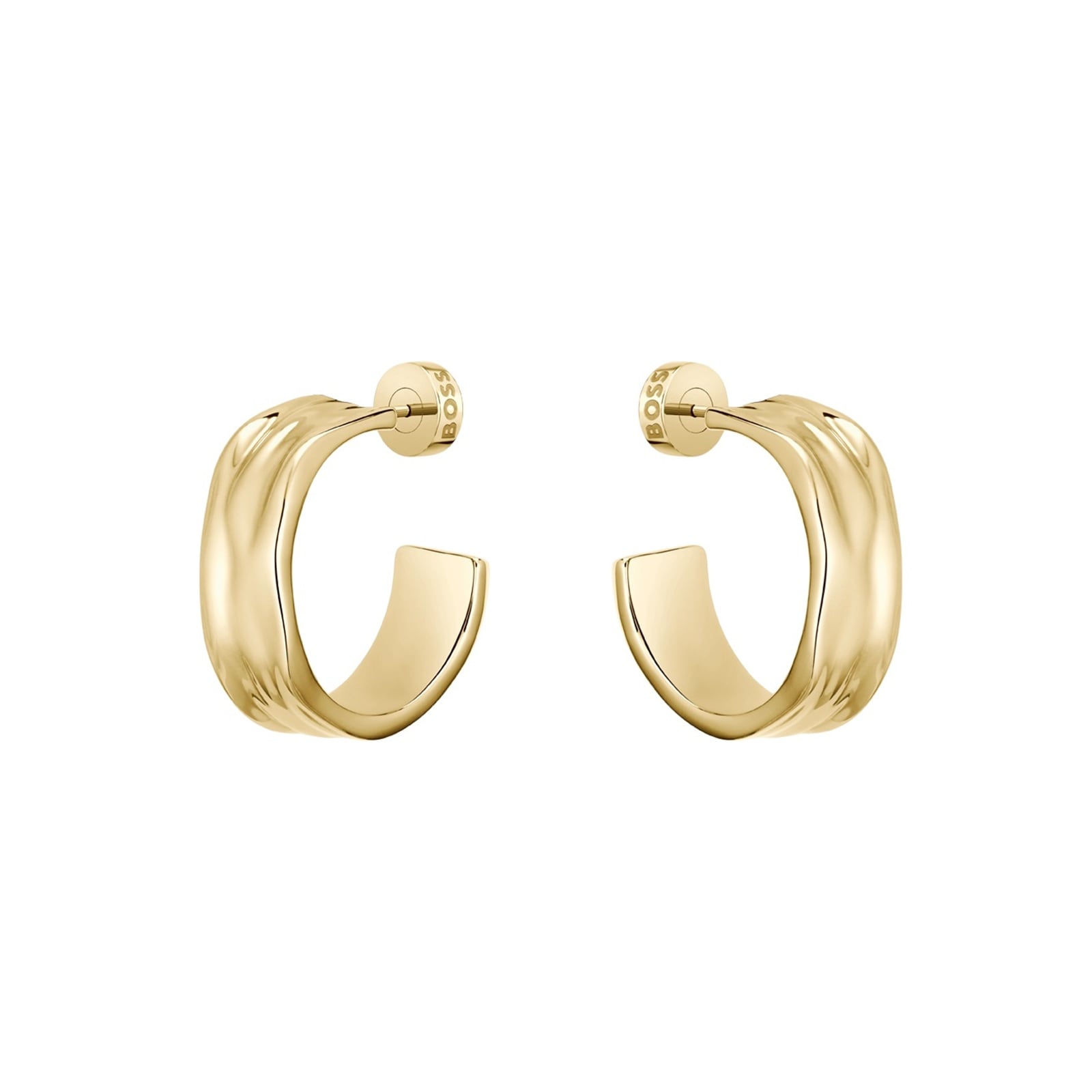
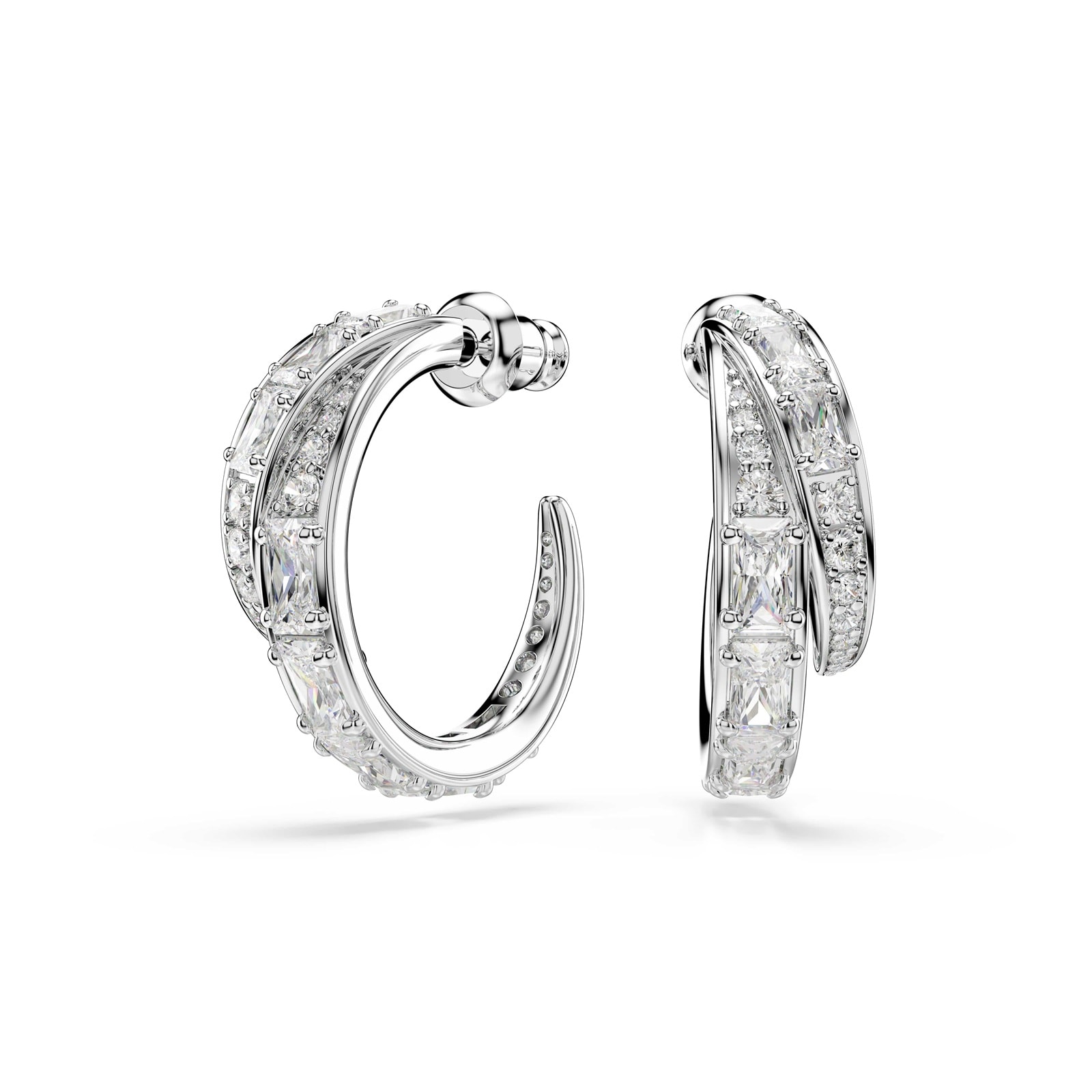
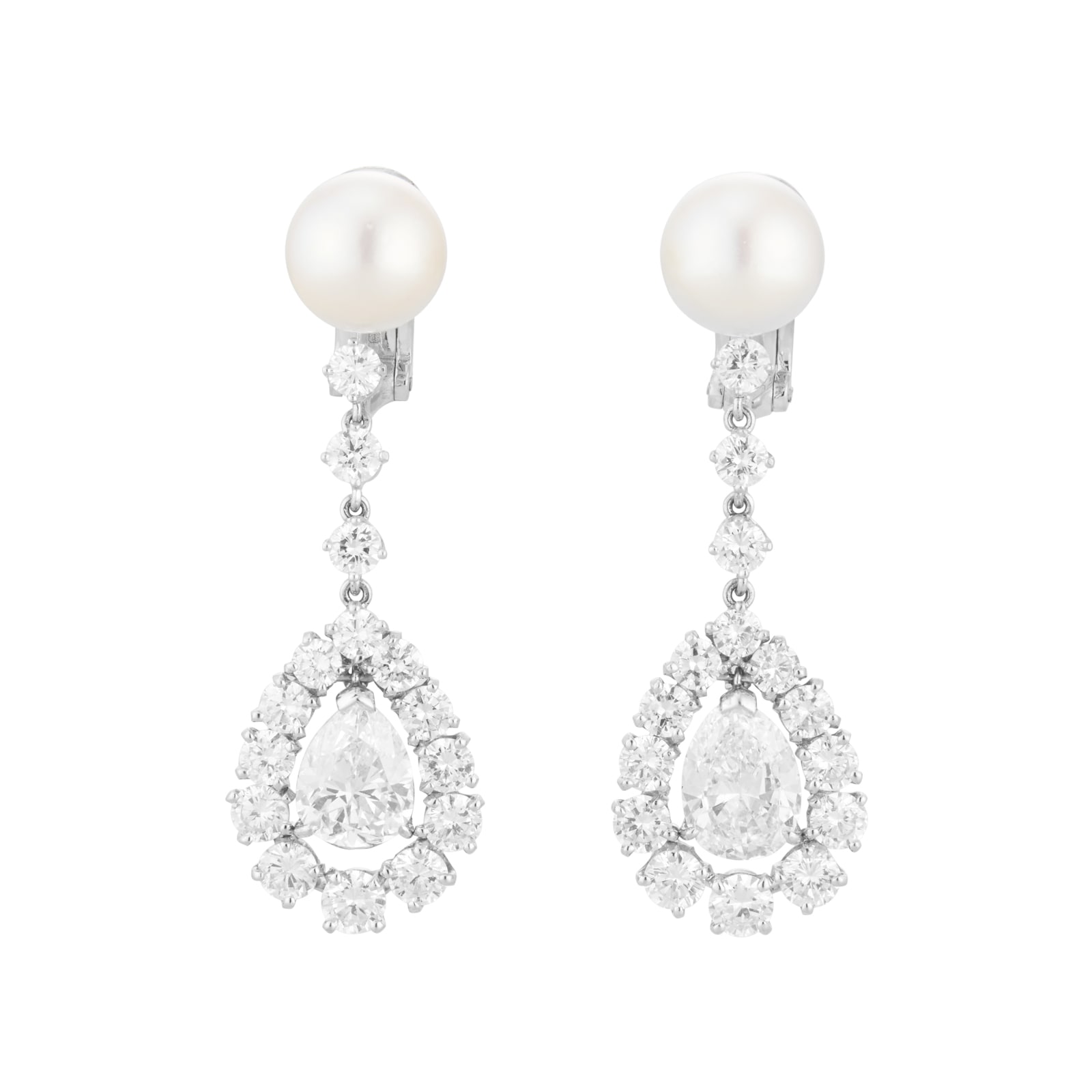
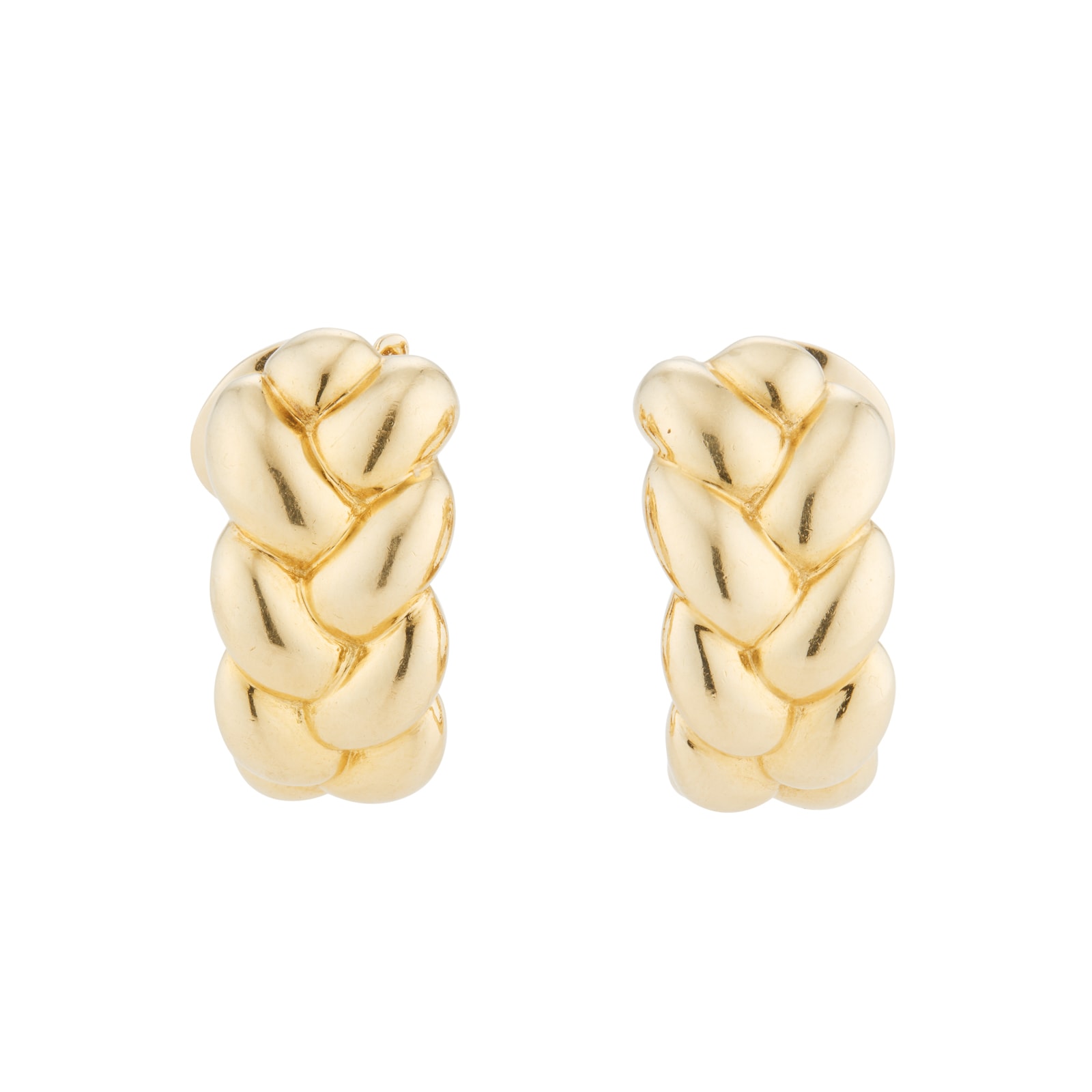

Across the premier jewelry corridors of the United States—from New York’s 47th Street to Los Angeles’s Hill Street—the earrings market in 2026 reflects a bifurcated reality: unprecedented access to lab-grown diamonds and a stubbornly resilient natural diamond premium. As a master gemologist who has appraised thousands of pairs, I can state unequivocally that the single greatest determinant of earrings value is not the brand name on the box but the certified specifications of the stones and the integrity of the metalwork. This guide dissects the 2026 landscape, pricing matrices, showroom vetting protocols, and certification verification steps so you can navigate a certified Earrings showroom inventory with the same discernment as a trade professional. For exquisite artisan craftsmanship and certified stone settings, examine this handcrafted Bezel Set Diamond Tiny Stud Earring.
Earrings Market Landscape & Industry Realities in 2026
Wholesale diamond premiums for natural stones have compressed by 8–12% year-over-year since 2023, yet retail markups on finished earrings remain stubbornly high—often 2.5x to 3.5x the landed cost of goods. This spread is the single most important economic fact for 2026 buyers. The rise of lab-grown diamonds, now retailing at 20–30% of natural diamond prices for equivalent specs, has forced traditional jewelers to justify their premiums through provenance, certification, and craftsmanship narratives. Understanding this dynamic is your first line of defense against overpaying.
Historically, earrings were sold as fashion accessories with minimal specification transparency. That changed with the widespread adoption of GIA and IGI grading reports for diamond studs above 0.50 carats total weight. In 2026, a savvy buyer can demand—and should receive—full certification for any pair exceeding $2,000. The market has matured to the point where uncertified diamond earrings above 1.00 carat total weight are a red flag, not a bargain.
Geographically, the United States remains the world’s largest consumer market for diamond earrings, with the New York Diamond District functioning as the primary wholesale clearinghouse. Buyers in Chicago, Houston, Miami, and San Francisco increasingly source remotely, relying on video inspections and certificate verification. This shift has elevated the importance of independent gemological reports and reputable dealer networks. The 2026 buyer must be part gemologist, part negotiator, and part skeptic.
Another critical reality: the “brand premium” on earrings is often disproportionate to intrinsic value. A pair of diamond studs from a luxury maison may carry a 4x markup over an identical GIA-certified pair from a wholesale showroom. While brand cachet has its place, the informed buyer in 2026 separates emotional value from asset value. The latter is determined by the 4Cs, metal purity, and certification—nothing else.
Earrings Pricing, Valuation & the 4Cs Matrix
Independent gemological laboratories like GIA and IGI classify cut grade as the single greatest determinant of a diamond’s light performance, yet for earrings, color and clarity often drive perceived value more visibly because the stones sit directly beside the face. In 2026, the price spread between a G-color, VS2-clarity pair and an H-color, SI1 pair of the same carat weight can exceed 35%. The table below benchmarks wholesale and retail ranges for natural diamond stud earrings (per pair, round brilliant, GIA-certified, excellent cut, 18K white gold settings).
| Total Carat Weight (pair) | Color/Clarity (G/VS2) | Wholesale Range (USD) | Retail Range (USD) | Lab-Grown Equivalent (Retail) |
|---|---|---|---|---|
| 0.50 ct | G/VS2 | $1,200–$1,600 | $2,800–$3,800 | $600–$900 |
| 1.00 ct | G/VS2 | $3,500–$4,800 | $8,000–$11,000 | $1,200–$1,800 |
| 1.50 ct | G/VS2 | $6,500–$8,500 | $15,000–$19,000 | $2,000–$3,000 |
| 2.00 ct | G/VS2 | $11,000–$14,000 | $25,000–$32,000 | $3,500–$5,000 |
| 3.00 ct | G/VS2 | $22,000–$28,000 | $50,000–$65,000 | $6,000–$9,000 |
Always inspect the pavilion depth and table percentage under a 10x loupe before accepting any grading claim. A stone with a 62% table and 43% pavilion depth may be graded “excellent” by a lax lab but exhibit visible light leakage. For earrings, where stones are viewed from the side as often as the front, cut quality is non-negotiable. When you explore our curated Earrings collection, you will notice that every piece above 1.00 carat carries an independent cut grade—not a self-issued “ideal” claim.
Metal choice also impacts price significantly. Platinum (950) settings typically add $400–$800 over 18K white gold for a standard stud mounting, while 14K gold reduces cost by $200–$400 but sacrifices durability and long-term value retention. For investment-grade earrings, platinum is the preferred substrate because it does not wear away, whereas white gold rhodium plating requires re-finishing every 12–18 months.
Earrings Showroom Selection & Merchant Vetting Protocols
Corridor context matters: across premier jewelry districts and wholesale exchanges, storefront overhead directly affects the retail price you pay. A 47th Street ground-floor showroom may charge 25–40% more than a fifth-floor by-appointment office for identical merchandise. This is not a criticism of retail—it is an economic reality that the informed buyer can exploit by seeking out trade-oriented floors or online-first dealers with physical inspection rooms.
Vetting a merchant in 2026 requires more than checking Google reviews. Demand to see the dealer’s GIA or IGI credentials, ask for references from trade clients, and verify their membership in organizations such as the Jewelers Vigilance Committee (JVC) or the Diamond Dealers Club. A reputable dealer will volunteer this information before you ask. If they hesitate, walk away.
Negotiation protocols differ between wholesale and retail environments. In a wholesale showroom, prices are typically quoted “per carat” and are negotiable within 5–10% for cash or wire transfer. In retail, the sticker price is often inflated to accommodate a “discount” narrative. The savvy buyer focuses on the final out-the-door price per carat and compares it against the benchmark tables above. Never negotiate on total price alone—always calculate the per-carat cost and the metal premium separately.
Request a verified Earrings valuation report from any dealer before committing to a purchase above $5,000. This report should include the certificate numbers, a statement of metal purity, and the appraiser’s independent assessment of value. A dealer who cannot provide this is either unqualified or hiding something.
- Lighting tricks: Many showrooms use high-color-temperature LED spotlights (5000K+) that make H-color stones appear G or better. Always ask to view the stones under daylight-balanced lighting or take them to a window.
- Bait-and-switch certificates: Verify that the certificate number on the paper matches the laser inscription on the stone’s girdle. A mismatched certificate is a deal-breaker.
- “Wholesale to the public” claims: True wholesalers do not advertise to consumers. If a dealer claims wholesale pricing but operates a retail storefront, you are paying retail.
- Pressure tactics: Legitimate dealers never rush you. “This price is only good today” is a red flag for high-pressure sales.
Earrings Custom Design, Bench Fabrication & Certification Verification
Compared to machine-pressed gold settings, hand-fabricated platinum mounts provide superior stone security and longevity—critical for earrings that endure daily wear, hair snags, and accidental impacts. A master bench jeweler will hand-tighten prongs and polish the gallery, whereas mass-produced settings often have porous castings that weaken over time. For bezel-set earrings, the difference is even more pronounced: a hand-fabricated bezel ensures uniform pressure around the stone, preventing the chipping that can occur with uneven machine-pressed bezels.
Independent certification is your bedrock. In 2026, GIA and IGI remain the gold standards for diamond grading, while the American Gem Society (AGS) and Gemological Science International (GSI) offer credible