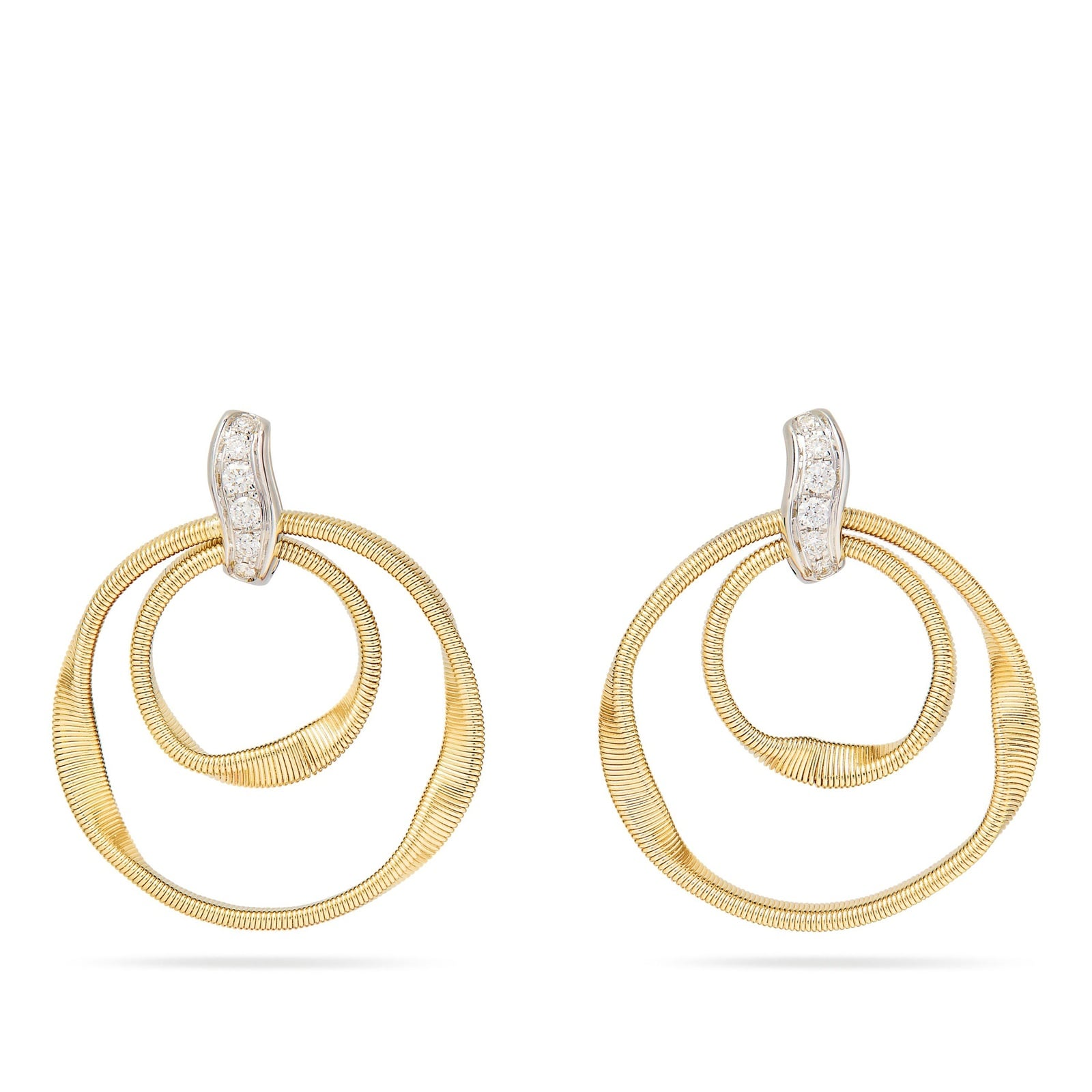
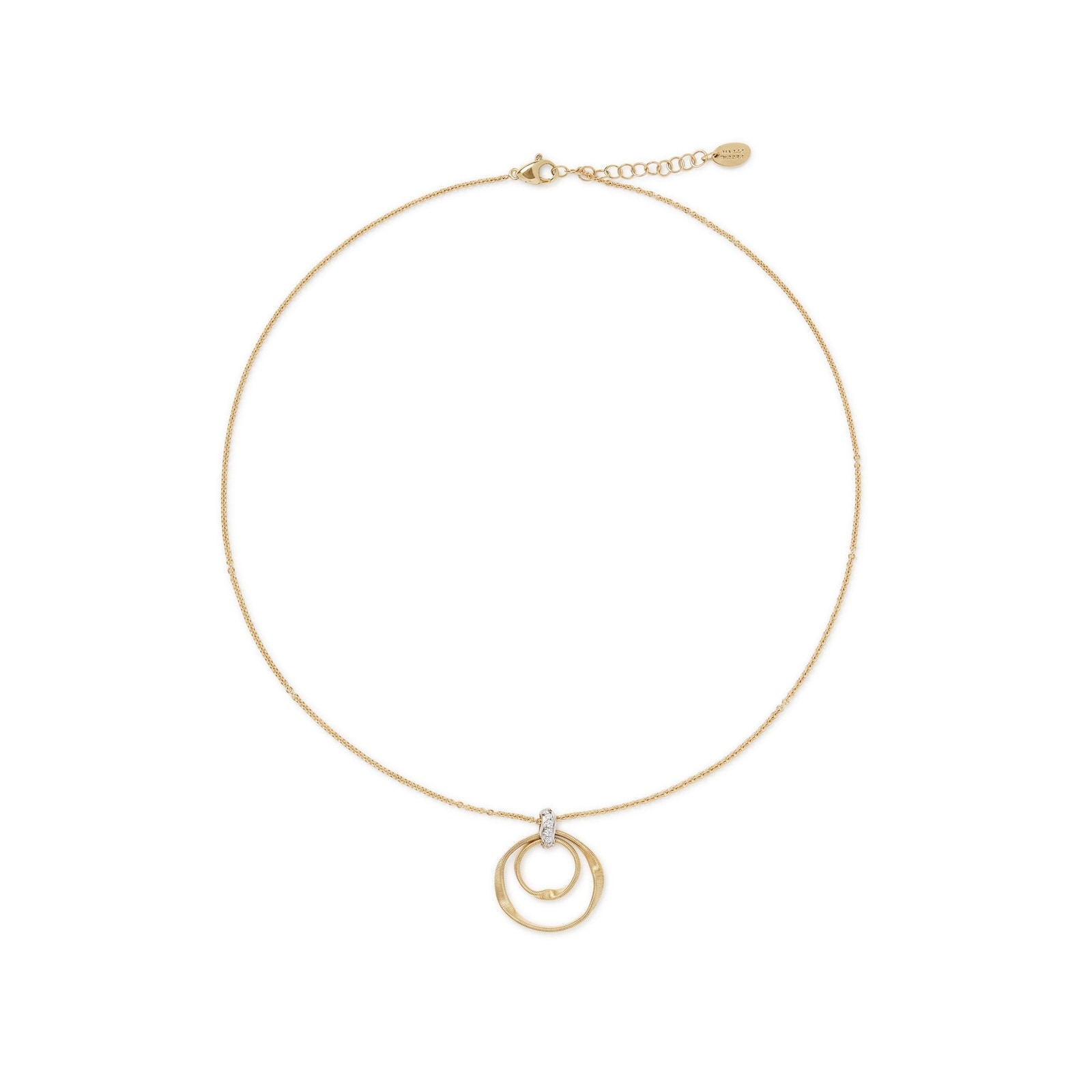
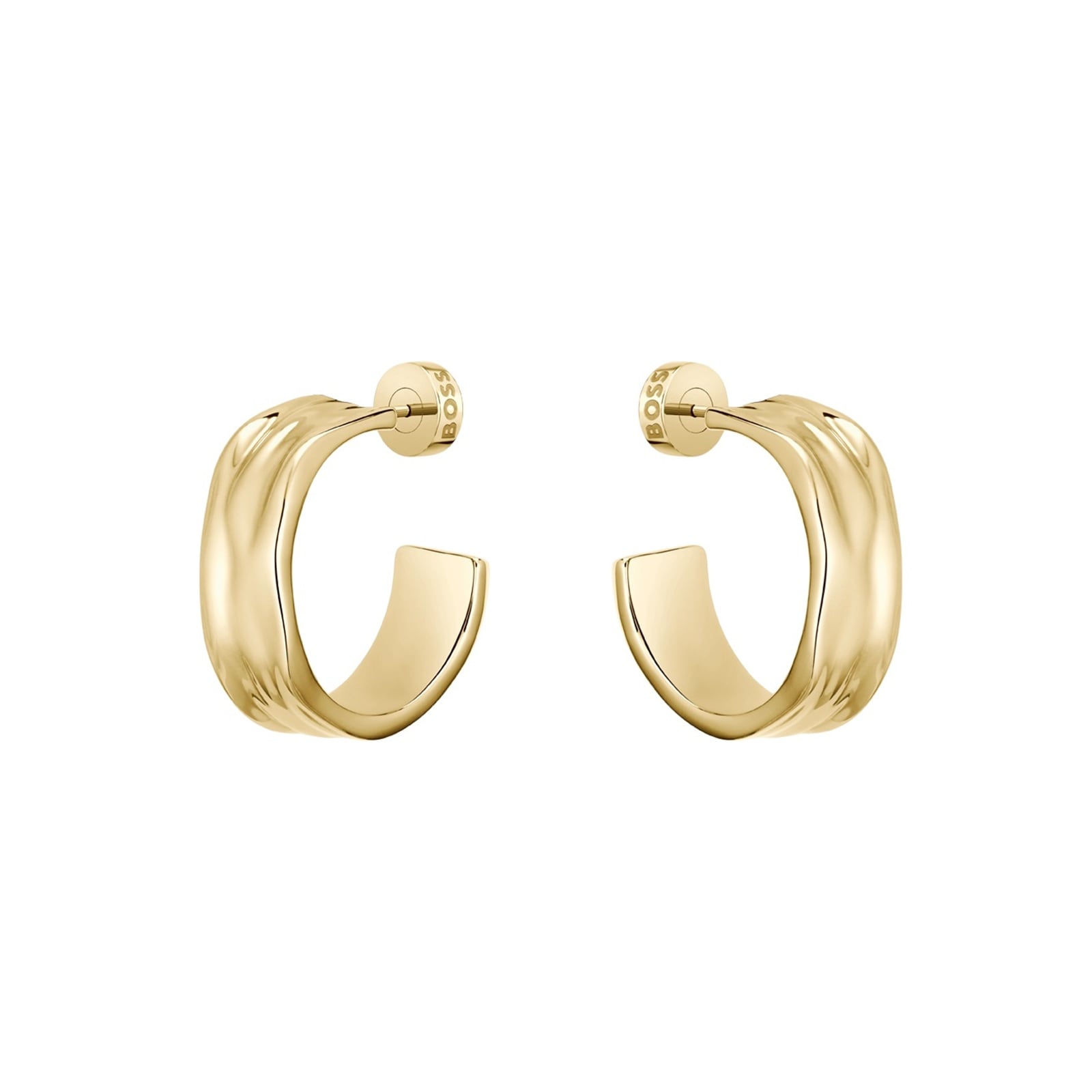
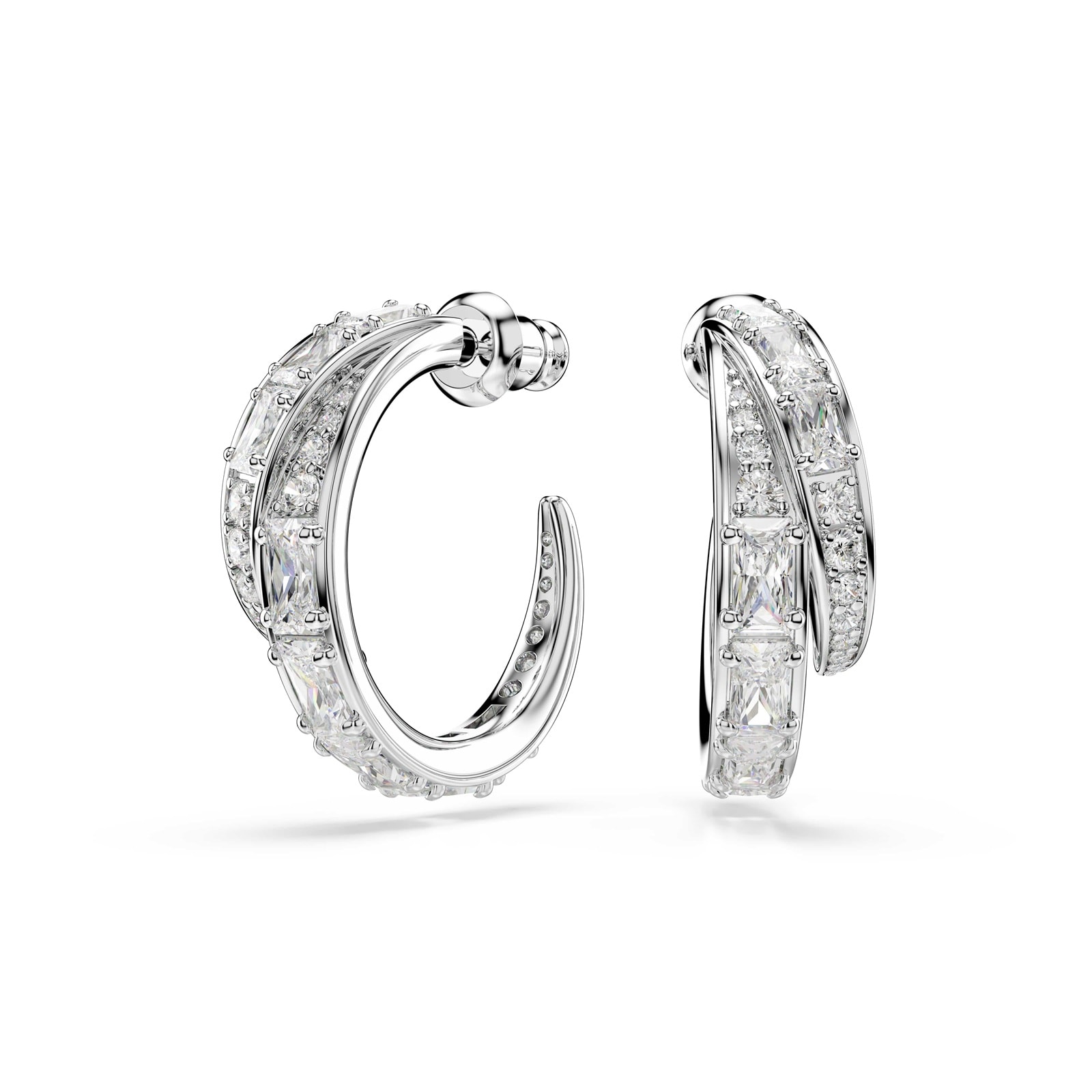
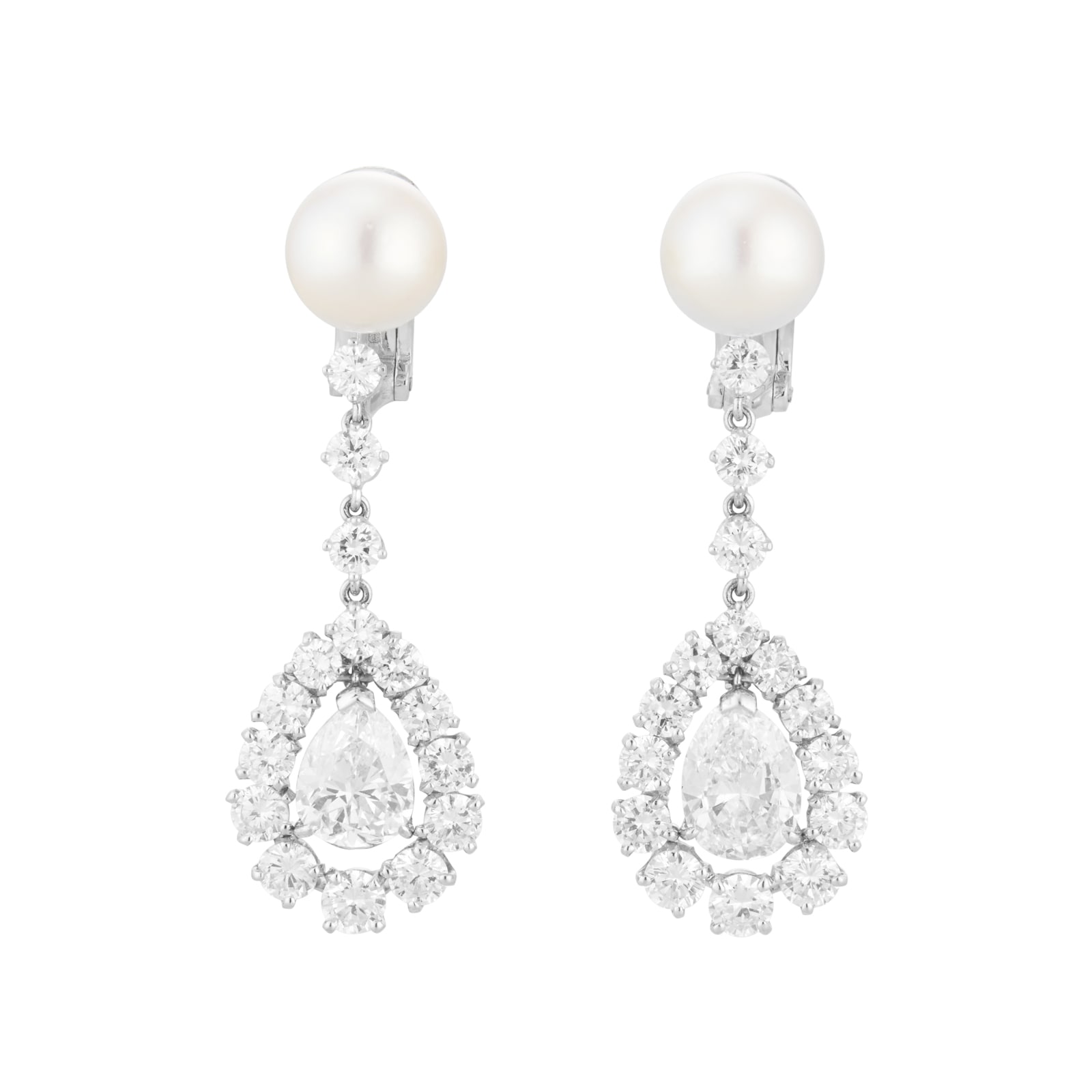
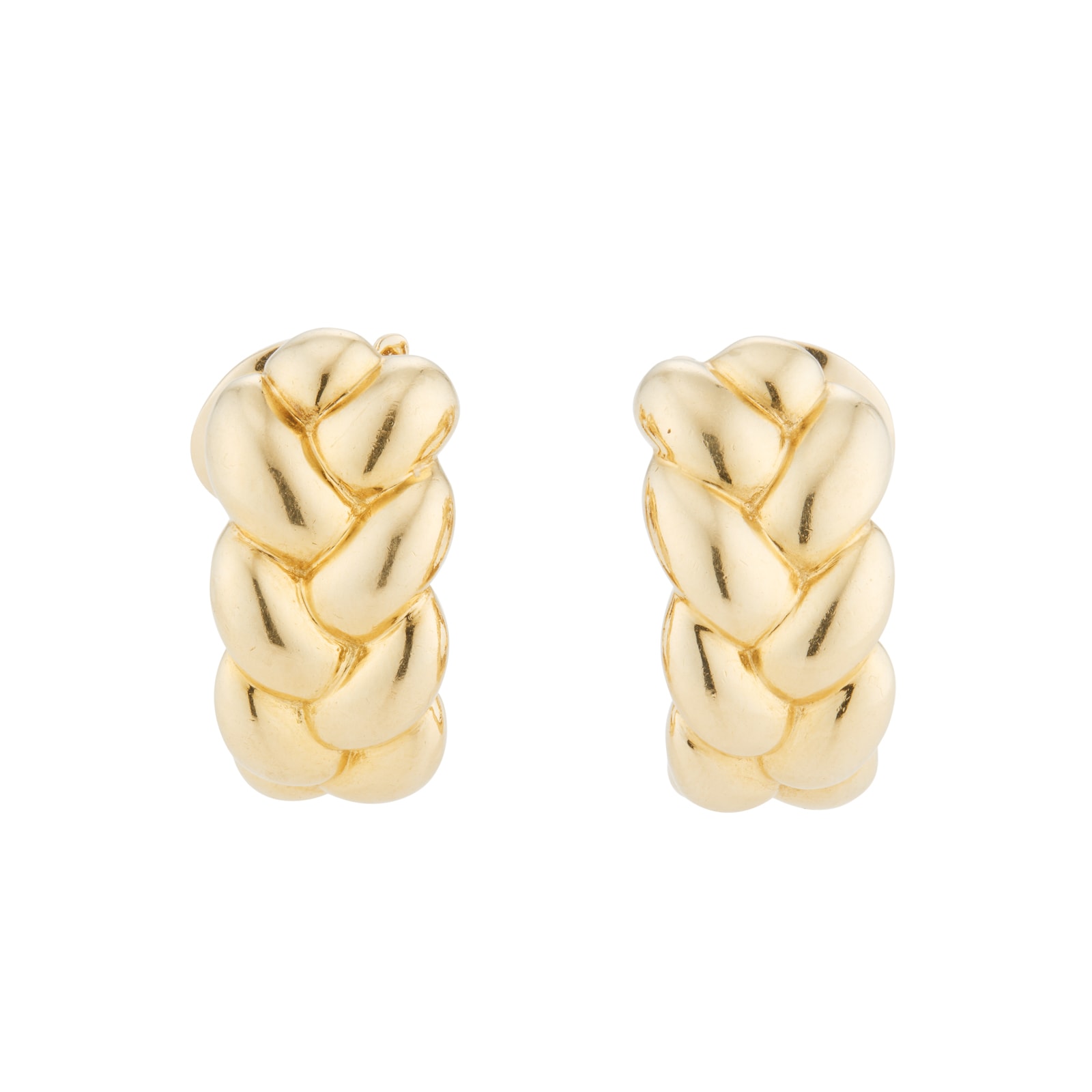
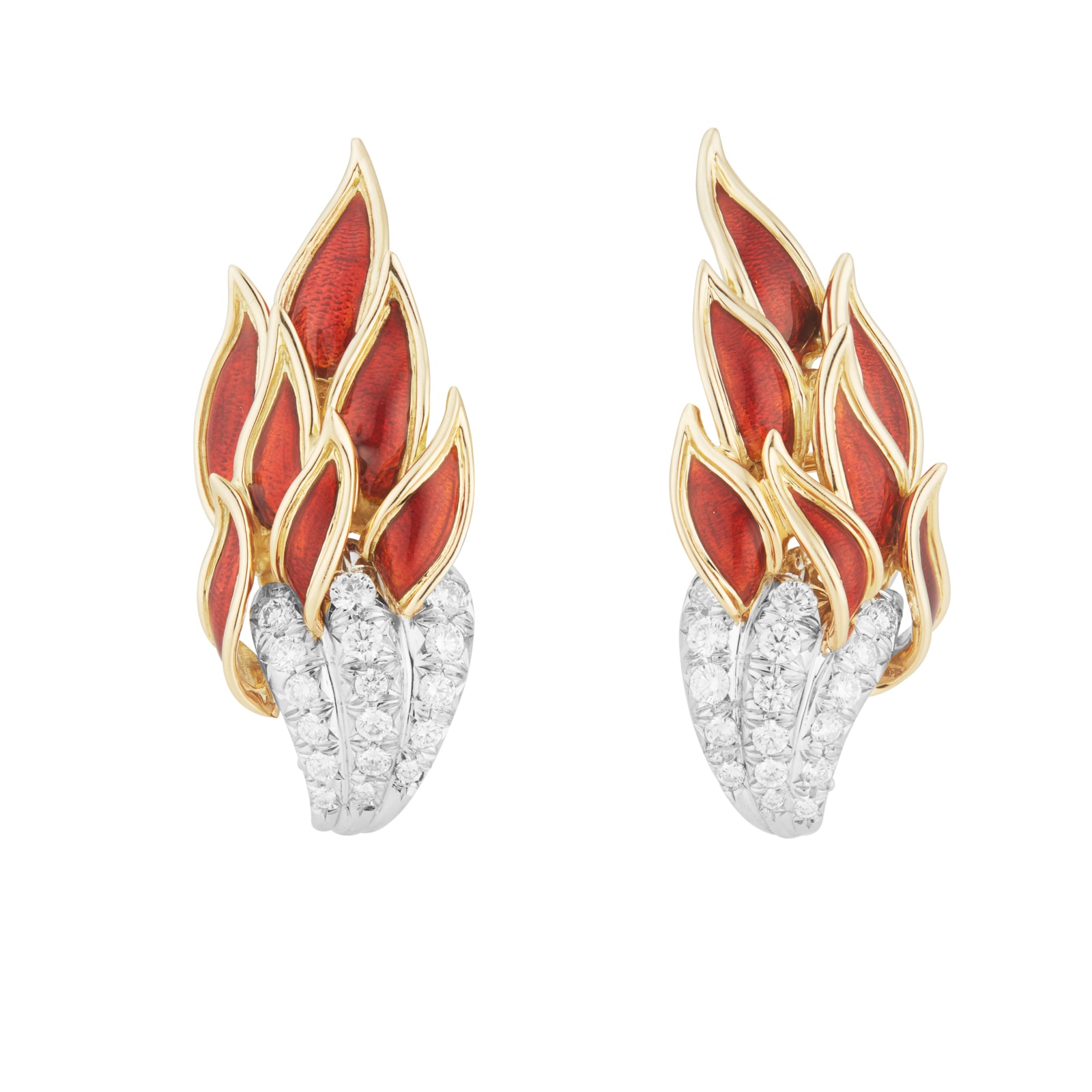
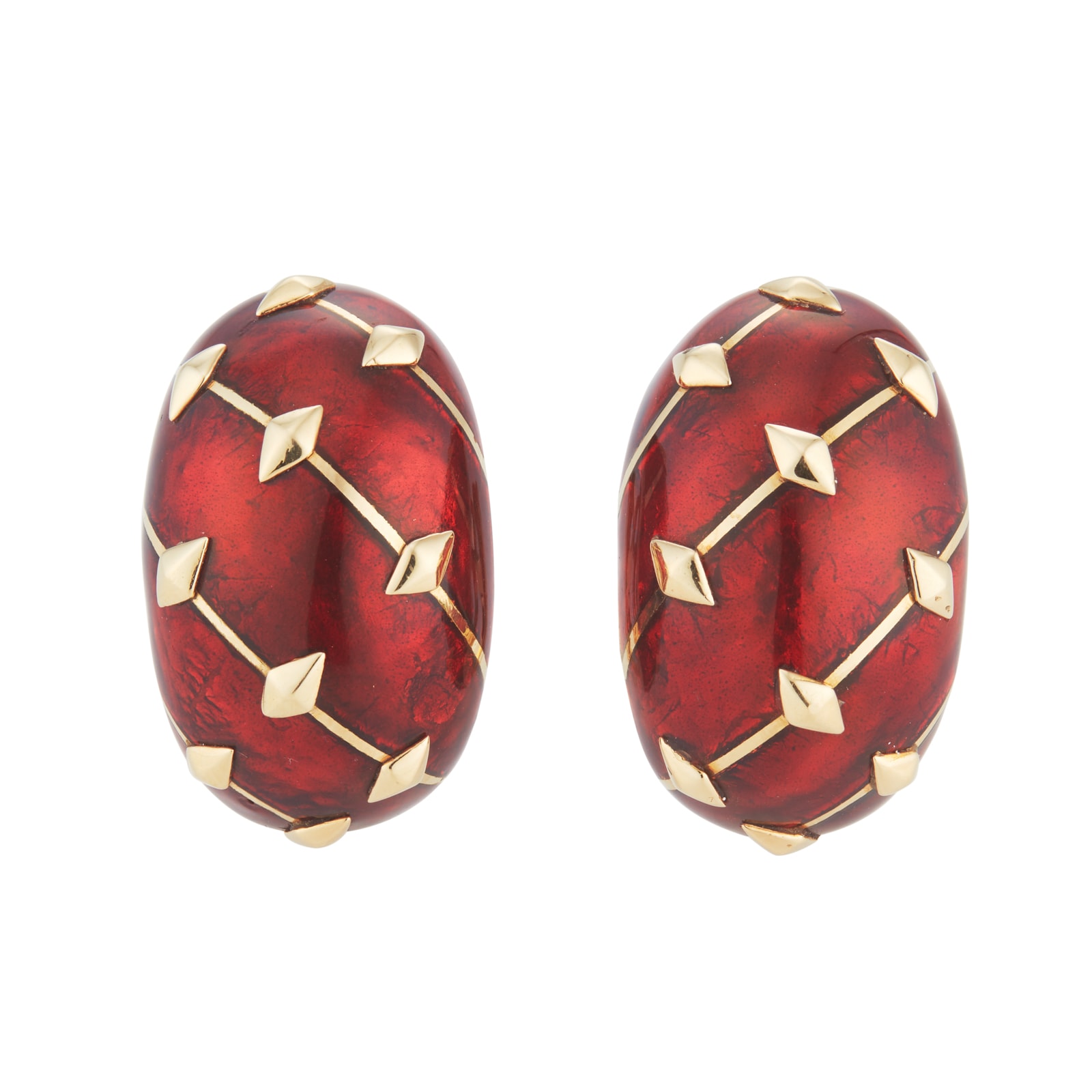
Wholesale premiums for lab grown diamond bridal rings have compressed by nearly 60% since 2021, yet retail showroom prices in 2026 still vary by as much as 300% for identical specifications. That spread is the single most important fact any serious buyer should carry into a showroom this year. The technology behind chemical vapor deposition (CVD) and high-pressure high-temperature (HPHT) growth has matured to the point where a well-cut 2-carat lab grown center stone can be sourced at prices that would have seemed implausible a decade ago—provided the buyer knows where to look and what to inspect.
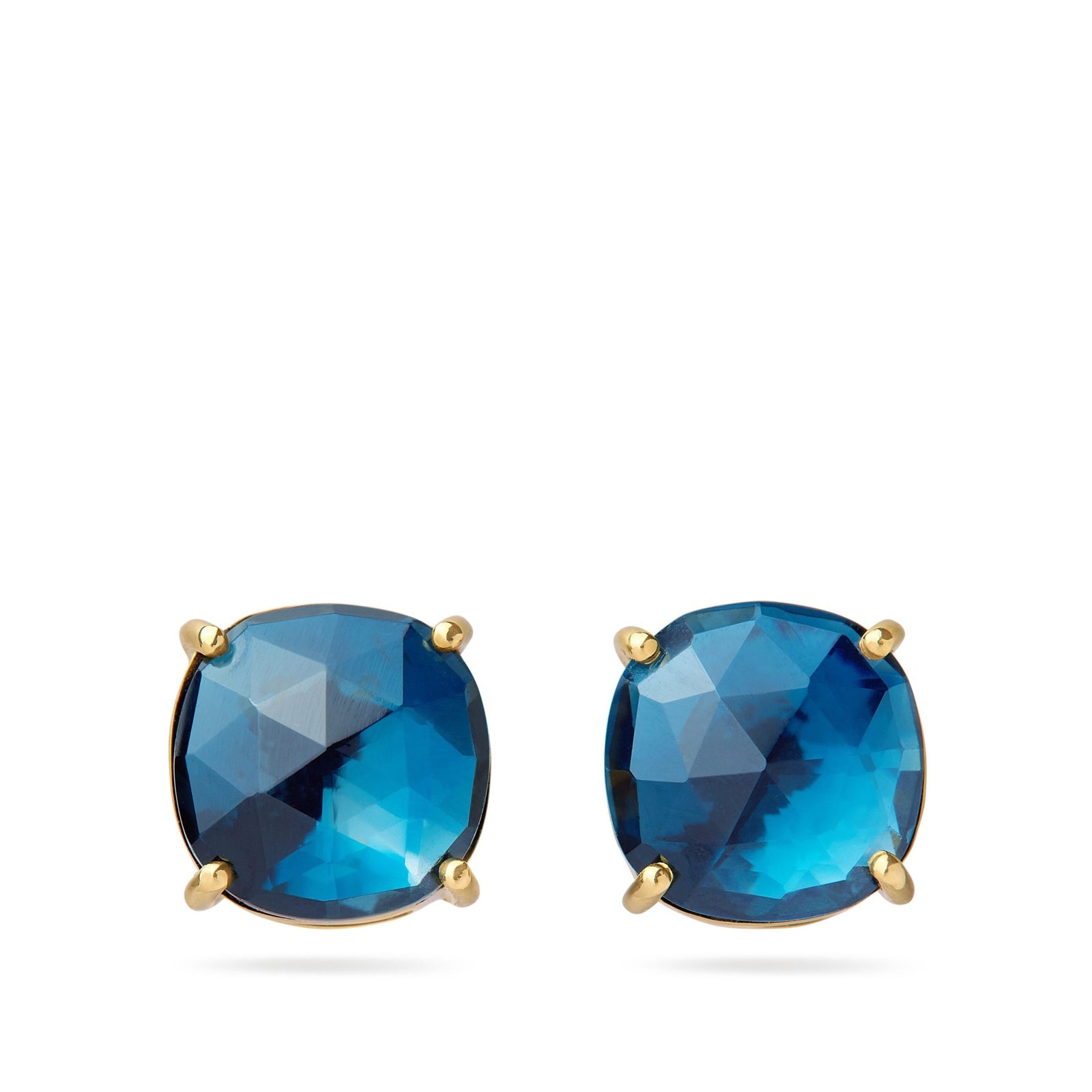
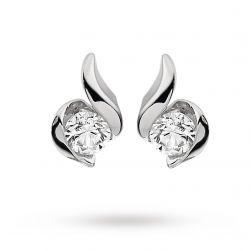
Understanding the current market requires more than comparing carat prices online. It demands fluency in grading laboratory standards, familiarity with the merchant corridors that dominate national supply, and a disciplined inspection routine that exposes lighting tricks and undisclosed treatments before money changes hands. This guide distills those realities into an actionable framework for 2026 buyers. For exquisite artisan craftsmanship and certified stone settings, examine this handcrafted Bezel Set Diamond Tiny Stud Earring.
2026 Market Landscape: How Lab Grown Diamond Bridal Rings Reshaped the Bridal Corridor
Across premier jewelry districts and wholesale exchanges—from New York's 47th Street to Los Angeles's Hill Street corridor—storefront overhead directly affects the retail markup applied to lab grown diamond bridal rings, and that overhead is the first variable a savvy buyer should mentally price into any quote. Lab grown stones now account for a majority of bridal center stones sold in the United States by unit volume, a shift driven by price accessibility and by a generational buyer cohort that prioritizes ethical sourcing and optical performance over rarity narratives.
The historical arc matters because it explains today's pricing psychology. When lab grown diamonds first entered bridal retail around 2015, they carried discounts of only 20–30% versus natural stones. By 2020, that discount widened to 50–60%. In 2026, wholesale lab grown prices for a 1-carat, G-color, VS1 clarity, excellent-cut stone frequently sit 80–90% below natural equivalents, and the secondary resale market for lab grown stones is functionally negligible. Buyers who understand this asymmetry negotiate differently—they treat lab grown bridal rings as luxury consumables with strong intrinsic beauty but limited resale liquidity, not as appreciating assets.
Inventory depth has also transformed. A decade ago, a buyer searching for a 1.5-carat oval in a specific color grade might review three or four options. Today, verified certified Earrings showroom inventory and bridal stockists routinely list dozens of matched pairs and center stones within a single color-clarity band, which shifts leverage decisively to the informed consumer. The merchant who claims scarcity in 2026 is either selling a genuinely rare cut or testing the buyer's market literacy.
Economic context completes the picture. Lab grown production costs continue to decline as reactor capacity expands in India, China, and the United States, meaning prices for equivalent specifications have fallen year over year. A buyer who purchases in Q1 2026 should expect that a comparable stone could be sourced more cheaply by late 2026—a dynamic that argues for buying the ring you love now rather than speculating on timing, while still demanding competitive quotes from at least three vetted merchants.
The 4Cs, Sourcing & Pricing Benchmarks for Lab Grown Diamond Bridal Rings
Independent gemological laboratories like GIA and IGI classify cut grade as the single greatest determinant of a lab grown diamond's visual fire, and in bridal rings—where the stone sits close to the eye and receives direct ambient light—cut quality outweighs carat weight in perceived brilliance. A 1.20-carat excellent-cut round will routinely out-perform a 1.50-carat very-good-cut stone in a side-by-side showroom comparison, and the price premium for the smaller, better-cut stone is often modest.
Always inspect the pavilion depth and table percentage under a 10x loupe before accepting any grading report at face value; a table percentage above 60% on a round brilliant signals light leakage that no lighting trick can disguise. For fancy shapes—ovals, emeralds, pears, and cushions—the bow-tie effect and windowing are the two defects most commonly masked by directional showroom lighting, and both are visible under diffuse daylight inspection.
Color and clarity tolerances differ meaningfully for lab grown stones versus natural. Because growth processes can introduce distinctive inclusion patterns—metallic flux remnants in HPHT, or striated graining in CVD—buyers should scrutinize clarity grades in the VS range carefully, as some lab grown SI stones show inclusions that are more visually apparent than equivalent natural SI grades. The following table benchmarks 2026 wholesale-to-retail ranges for round brilliant lab grown center stones, exclusive of setting:
| Carat Tier | Color/Clarity | Wholesale Range (USD) | Typical Retail Showroom (USD) | Resale Liquidity |
|---|---|---|---|---|
| 0.50–0.75 ct | E–F / VS1 | $280–$450 | $650–$1,200 | Very low |
| 1.00–1.25 ct | G–H / VS1–VS2 | $550–$900 | $1,200–$2,400 | Low |
| 1.50–1.75 ct | G–H / VS1 | $900–$1,500 | $2,000–$3,800 | Low |
| 2.00–2.50 ct | F–G / VS1 | $1,500–$2,600 | $3,200–$6,500 | Very low |
| 3.00+ ct | E–G / VVS2–VS1 | $3,000–$6,000 | $7,000–$15,000+ | Negligible |
Setting costs add a second pricing layer that buyers frequently underestimate. A solitaire platinum mount typically adds $600–$1,400 in fabrication and metal cost, while pavé or halo designs can add $1,500–$4,000 depending on melee diamond count and labor. When you explore our curated Earrings collection, note how melee quality and setting craftsmanship influence total price far more than the center stone's color grade once you move past H color.
Cut grade tolerances deserve their own scrutiny. The table below compares the practical visual outcome of GIA cut grades as they appear in bridal settings under normal viewing conditions:
| GIA Cut Grade | Table % | Crown Angle | Pavilion Depth | Bridal Visual Impact |
|---|---|---|---|---|
| Excellent | 53–58 | 34–35° | 42.5–43.5% | Maximum fire; no leakage |
| Very Good | 58–60 | 32.5–34° | 43.5–44.5% | Slight brilliance loss in low light |
| Good | 60–62 | 31–32.5° | 44.5–45.5% | Noticeable windowing at angles |
| Fair / Poor | 62+ | Below 31° | 45.5%+ | Visible fish-eye or dark centers |
Premier Showroom Selection & Merchant Vetting for Lab Grown Diamond Bridal Rings
Wholesale-to-retail markups on lab grown diamond bridal rings in 2026 typically range from 2.0x to 3.5x depending on the corridor, the merchant's certification partnerships, and whether the showroom operates as a direct importer or a reseller buying from a New York or Los Angeles wholesaler. Direct importers—those with established relationships to growers in India or Antwerp-based lab divisions—can often quote 2.0x–2.5x, while resellers in suburban retail corridors routinely apply 3.0x–3.5x.
Vet any merchant by requesting a verified Earrings valuation report alongside the grading certificate for any bridal ring over $2,500, and compare the appraised replacement value against the quoted sale price; a spread wider than 40% suggests either an inflated appraisal or a misrepresented stone. Reputable merchants welcome this comparison because it demonstrates buyer sophistication and reduces post-sale disputes.
Negotiation protocols differ from natural diamond buying. Because lab grown supply is deep and