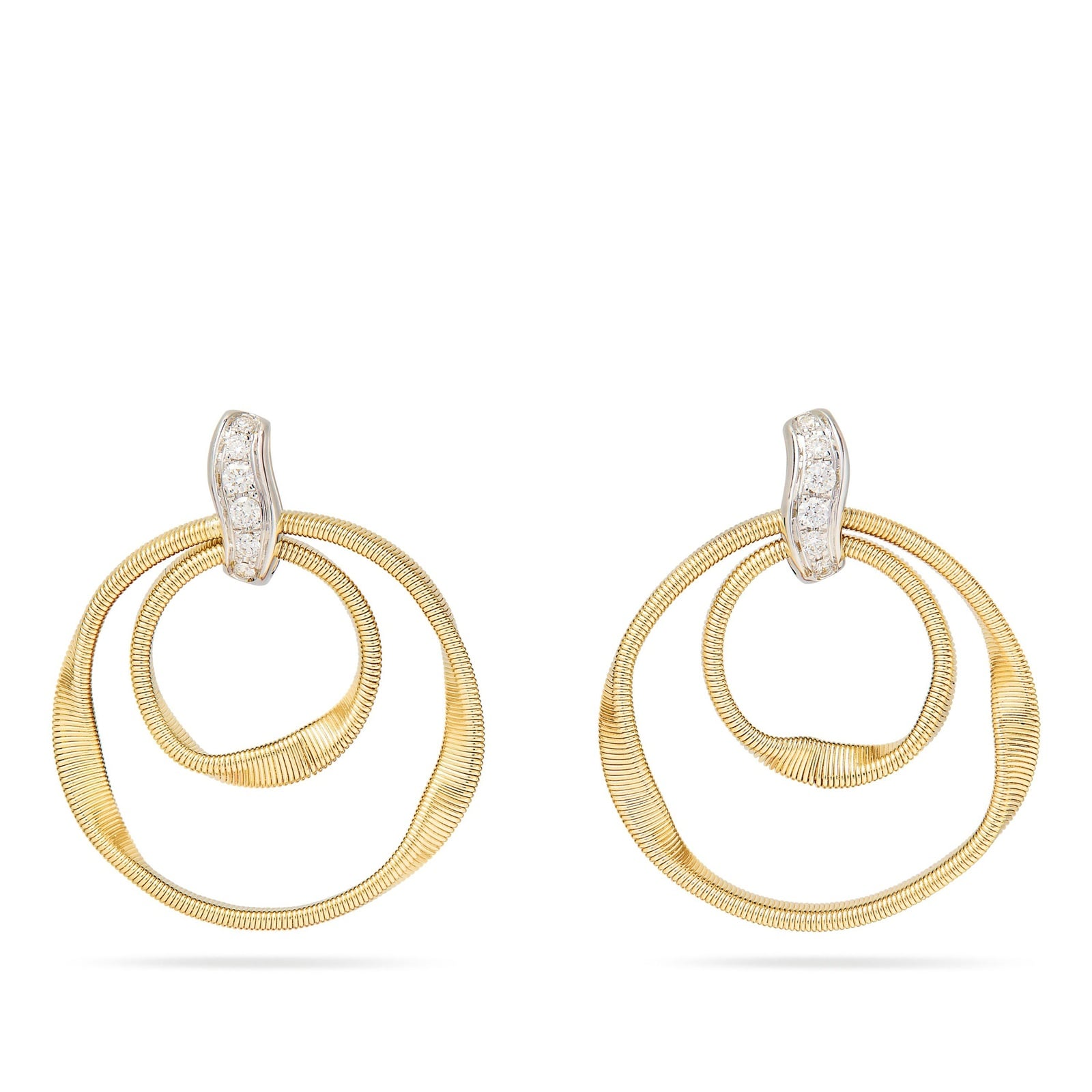
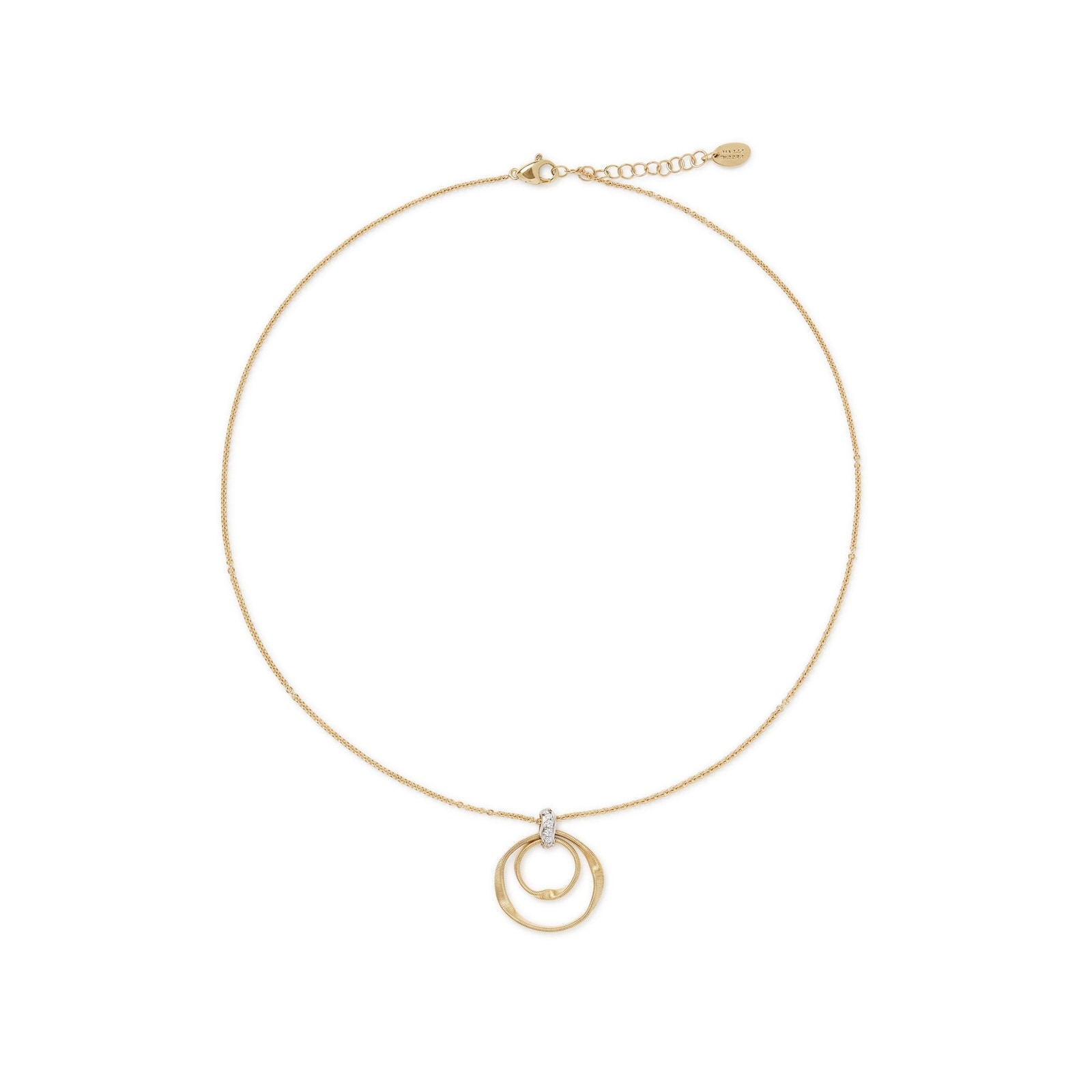
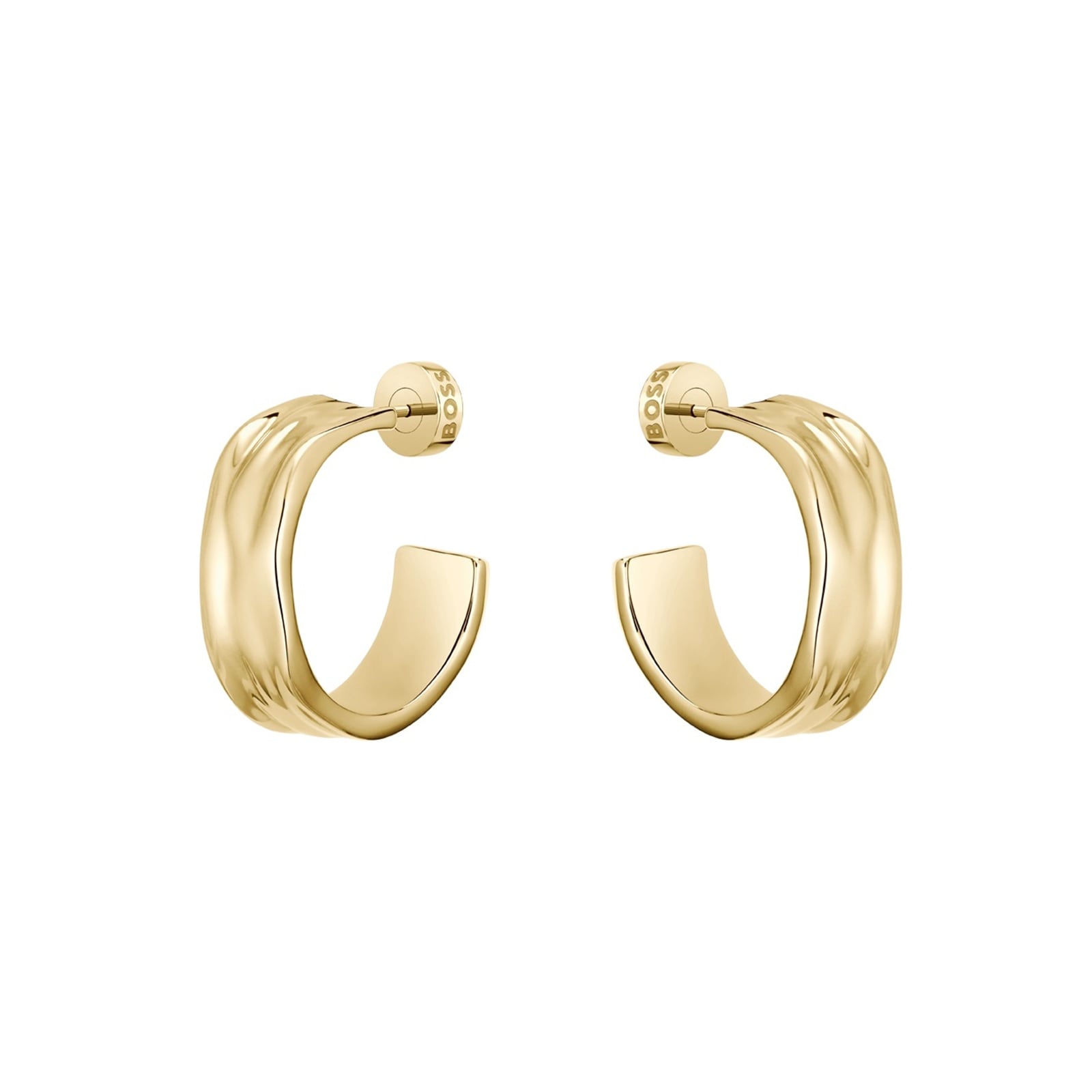
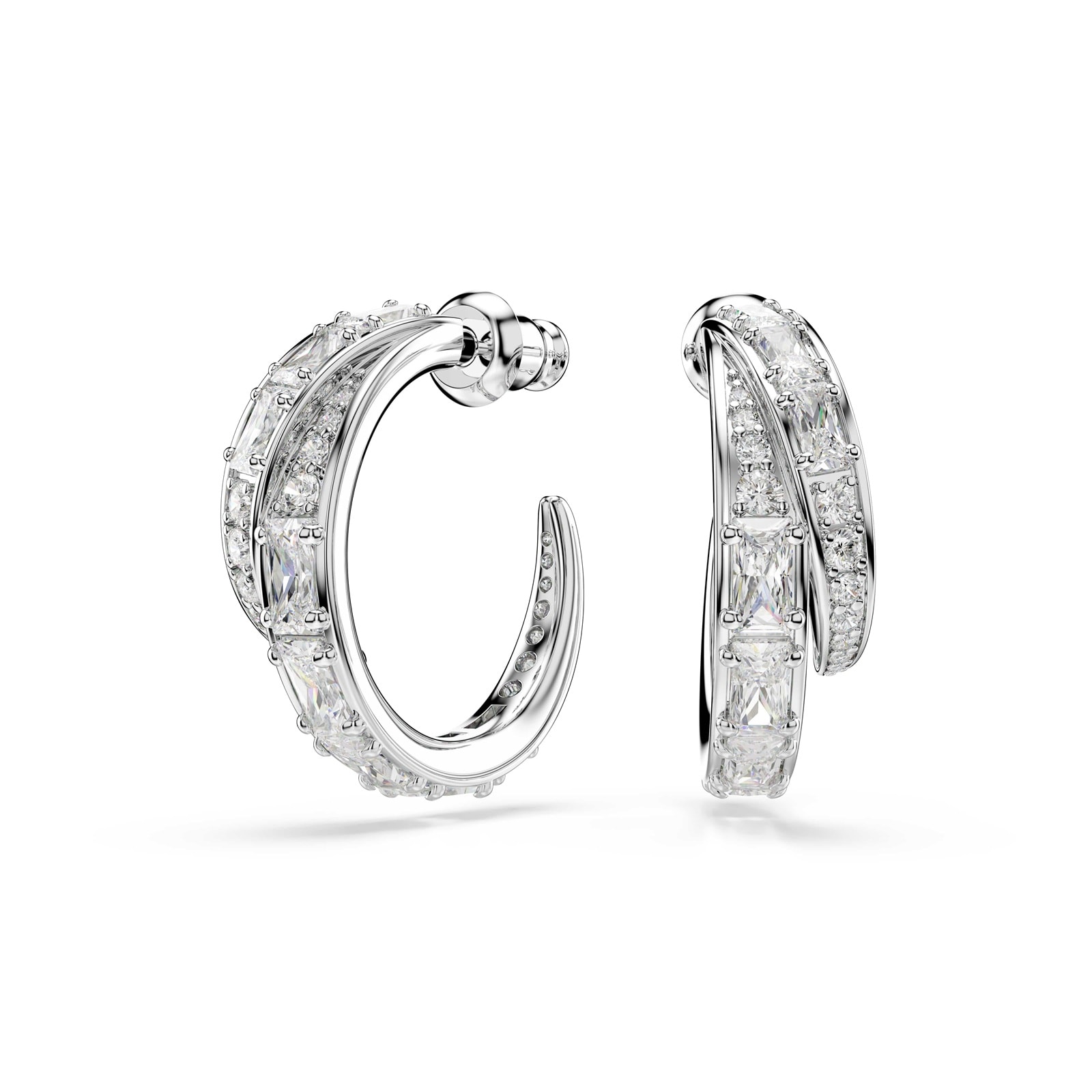
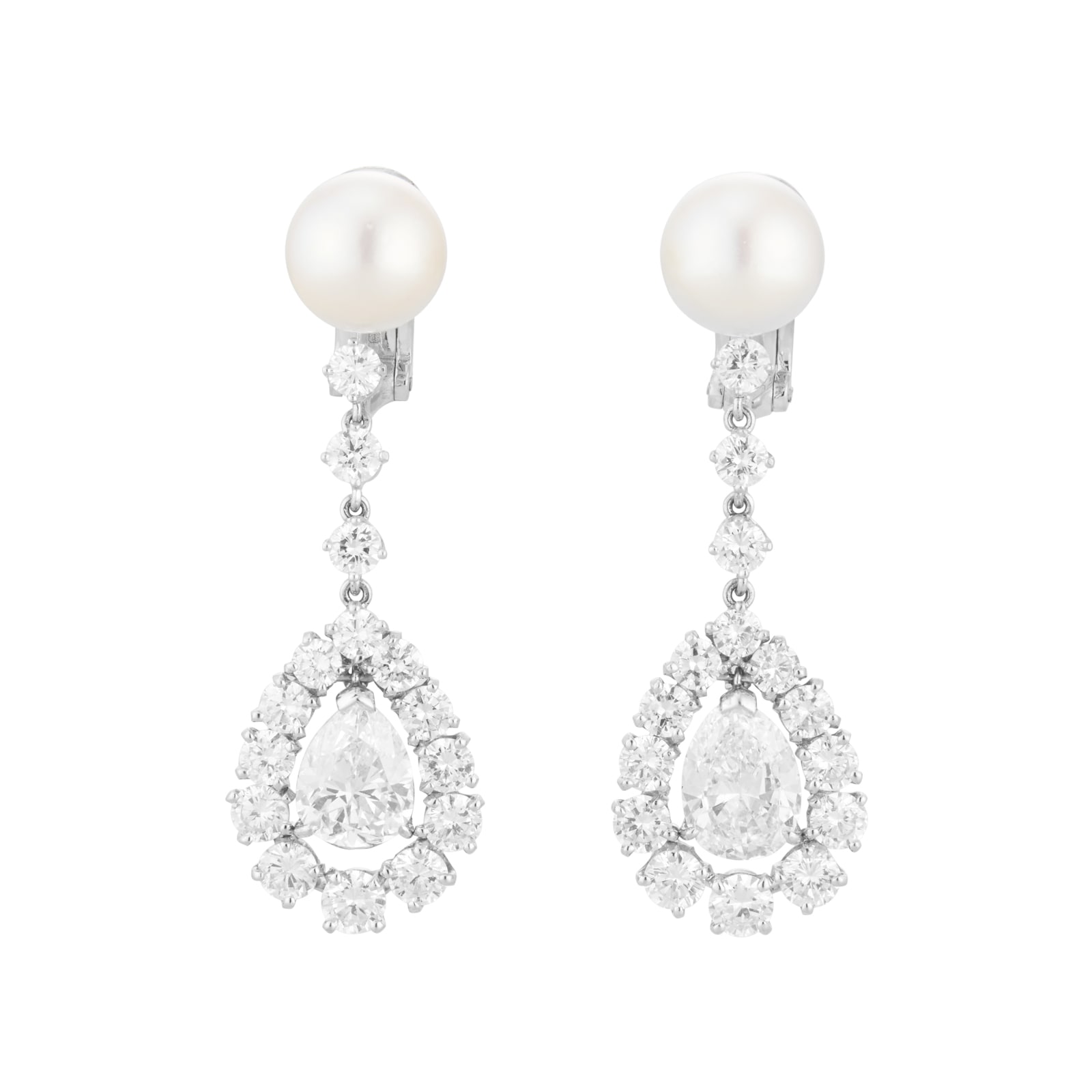
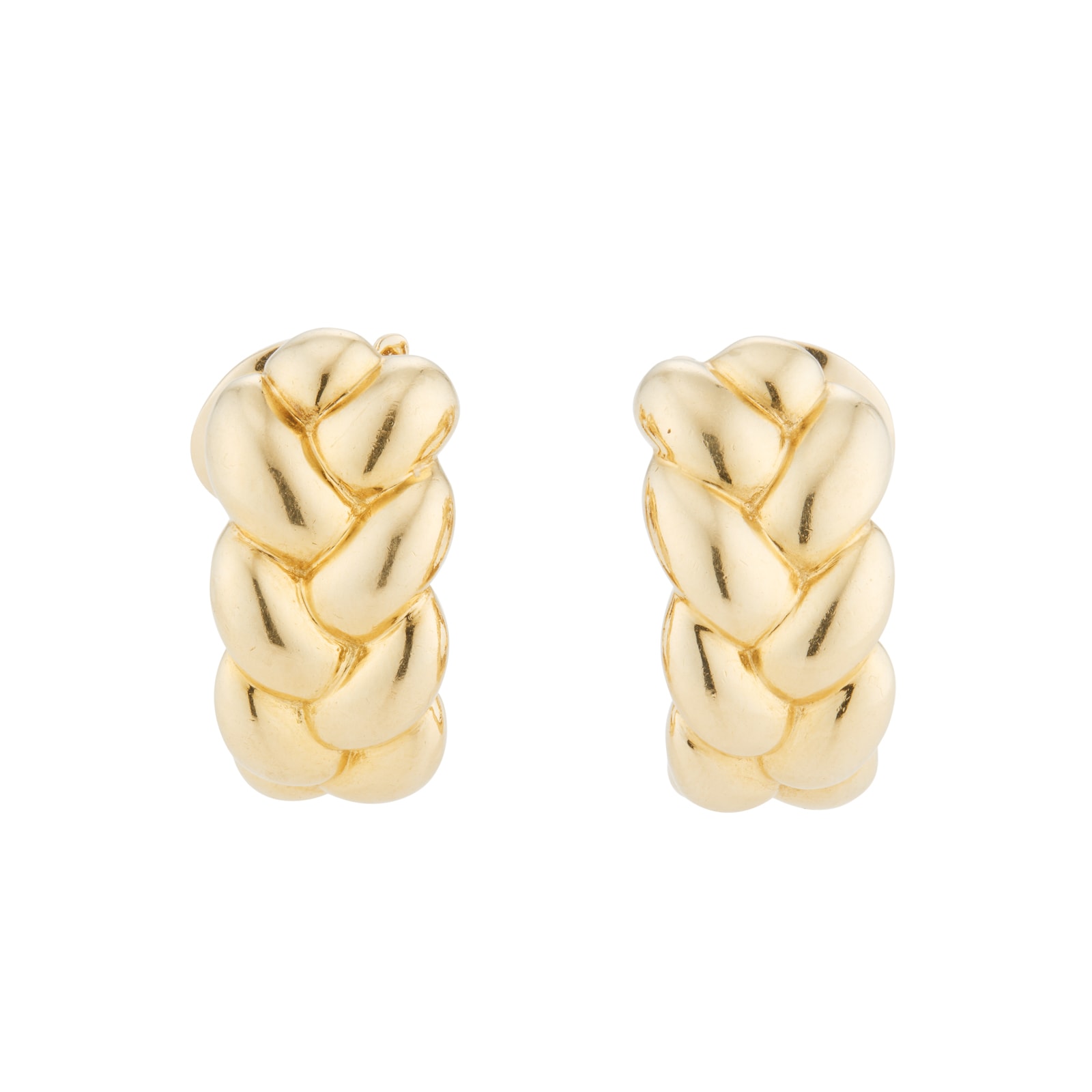
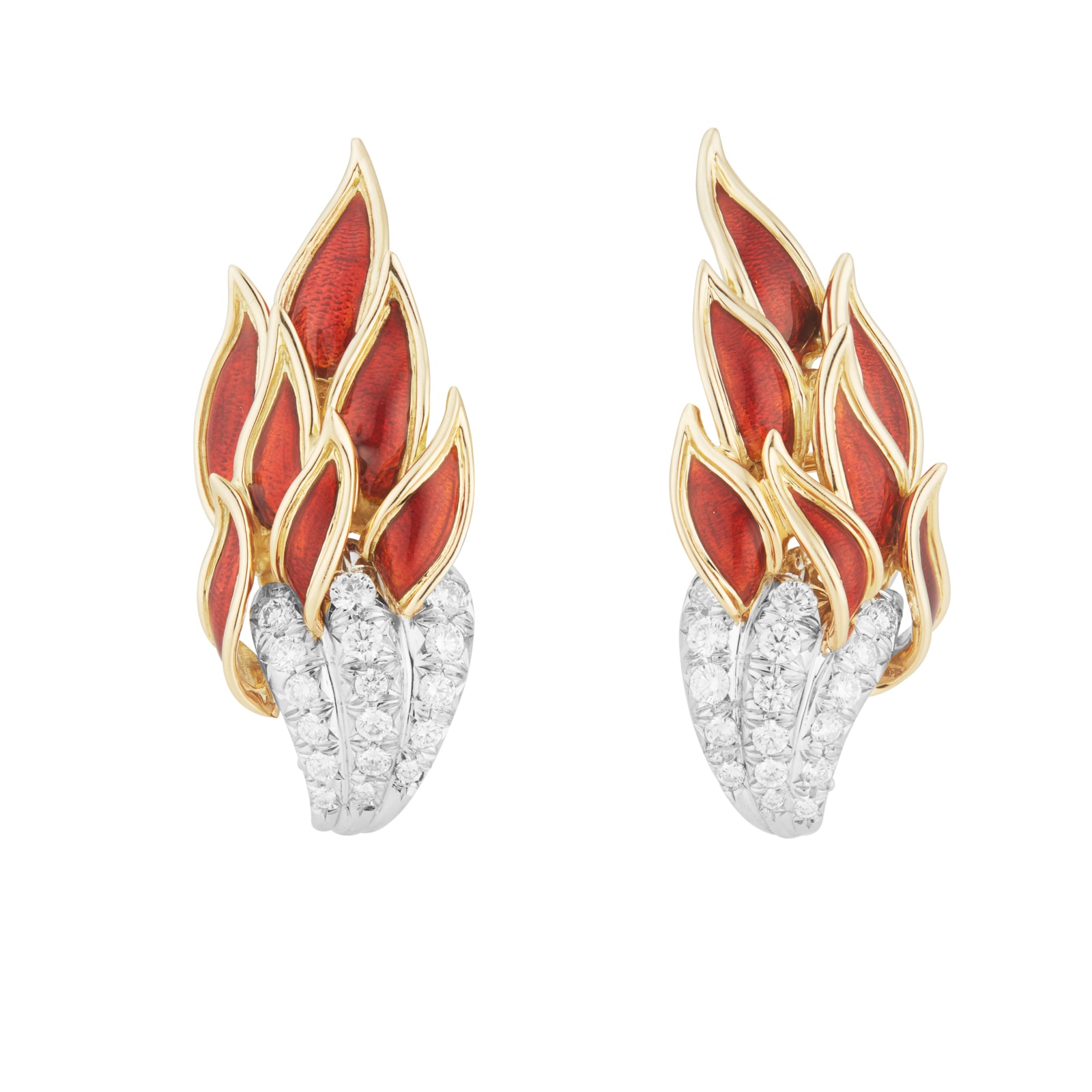
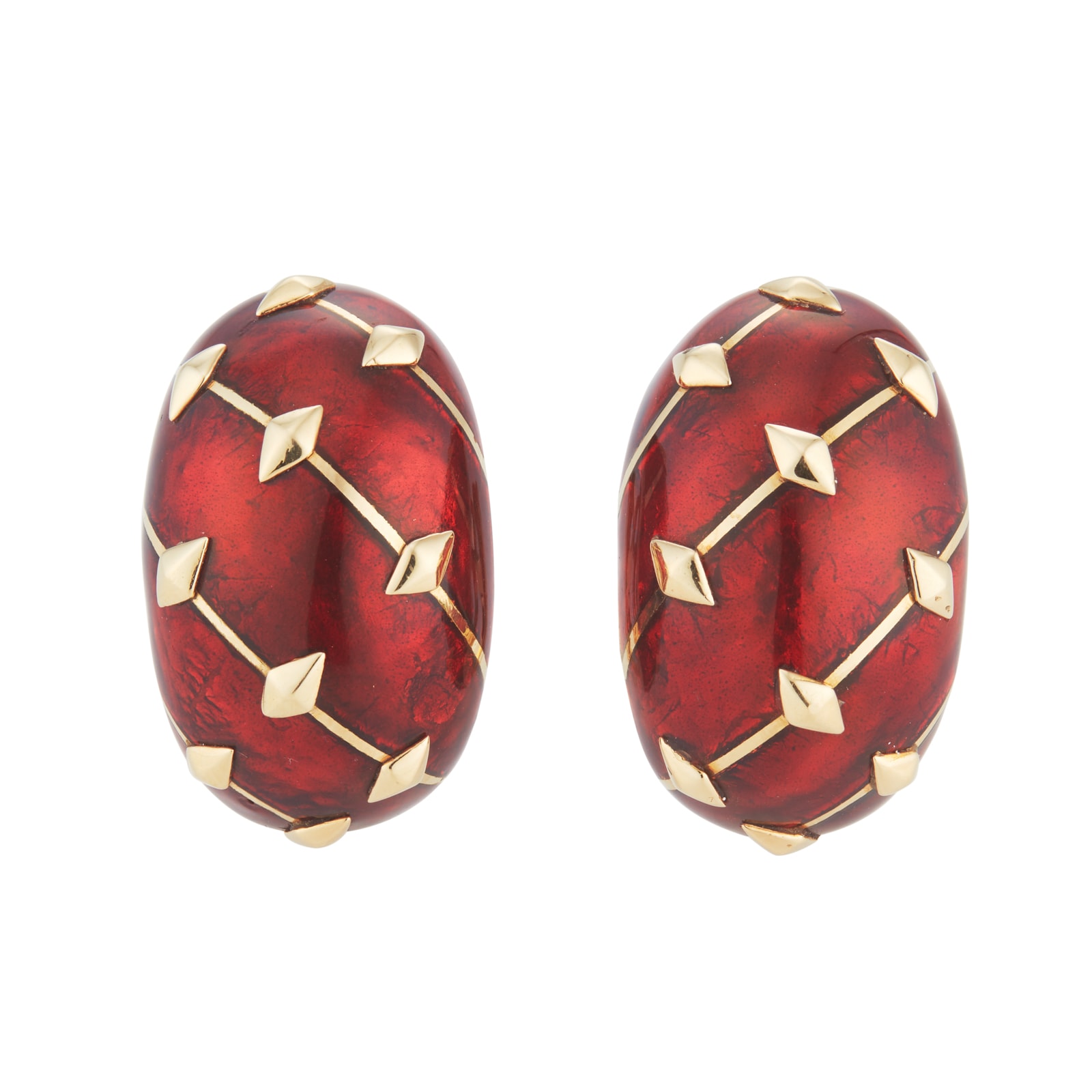
Across the United States, lab grown diamond bridal rings have fundamentally rewritten the economics of engagement jewelry. What began as a niche laboratory curiosity a decade ago now commands a dominant share of bridal sales in premier jewelry corridors from New York’s 47th Street to Los Angeles’s Jewelry District. For 2026 buyers, the critical challenge is no longer whether lab diamonds are real—they are—but rather how to navigate a pricing landscape where retail markups can vary by 300% or more for identical specifications. This guide, compiled by Diamond District Block’s senior gemologists and valuation analysts, provides a transparent, data-driven roadmap to understanding costs, settings, and the markups that separate savvy buyers from overpaying ones. Whether you are sourcing a 2-carat solitaire or a bespoke three-stone trilogy, the following analysis will equip you with the exact benchmarks needed to negotiate confidently and verify value at every step. You can inspect certified diamond cuts and market valuations across our explore our curated Earrings collection.
Market Landscape & Industry Realities for Lab Grown Diamond Bridal Rings in 2026
Wholesale lab grown diamond prices have experienced a dramatic deflationary curve, with per-carat costs for high-quality stones falling roughly 60% to 70% since 2022. This deflation is not a sign of inferior quality but rather a reflection of massive production scaling in India and China, where CVD and HPHT reactors now operate at industrial volumes. In 2026, a 1-carat, G-color, VS1-clarity lab grown diamond wholesales for approximately $300 to $500 depending on cut precision and certificate origin, while natural equivalents remain in the $4,000 to $6,000 range. This tenfold price gap has made lab grown diamond bridal rings accessible to a new demographic, yet it has also introduced a volatile resale market that buyers must understand before committing. Industry analysts note that the secondary market for lab diamonds remains thin, with resale values often recovering only 10% to 20% of retail—a stark contrast to natural diamonds, which may retain 30% to 50% of retail value in comparable conditions.
Always inspect the certificate’s growth method notation—CVD versus HPHT—because this detail affects both pricing tiers and potential post-growth treatment disclosures. CVD stones, particularly those grown in the United States, often carry a slight premium due to perceived quality control, while HPHT stones from Asian producers may offer better value at similar grades. The Federal Trade Commission’s 2018 Jewelry Guides, updated through 2024, now require clear disclosure of lab-grown origin, and reputable dealers in 2026 universally comply. However, the absence of standardized wholesale pricing platforms means that buyers must rely on vetted showroom partners. Access to a certified Earrings showroom inventory provides a crucial baseline for comparing lab diamond pricing against natural benchmarks, especially when evaluating bridal suites that include matching earrings or studs.
Compared to the natural diamond market, where De Beers’s sightholder system historically stabilized prices, the lab grown sector operates on a near-spot-market model. This means prices can shift quarterly, and buyers who lock in quotes for more than 30 days may find themselves overpaying if wholesale rates drop. In 2026, the smartest buyers are those who treat lab grown diamond bridal rings as consumer electronics—purchasing at the point of need, verifying current wholesale indices, and avoiding speculative purchases. The market’s maturity has also brought a proliferation of branded lab diamonds (e.g., Lightbox, Vrai, Clean Origin), each with distinct markup structures that we will dissect in the following sections. Discover more details and verified selections via verified Earrings valuation report.
The 4Cs, Sourcing & Pricing Benchmarks for Lab Grown Diamond Bridal Rings
Independent gemological laboratories like GIA and IGI classify cut grade as the single greatest determinant of a lab diamond’s visual performance, and in 2026, the price premium for Excellent versus Very Good cut grades in lab stones ranges from 15% to 25%. Unlike natural diamonds, where color and clarity often dominate pricing conversations, lab diamonds are produced with such consistency that cut precision becomes the primary differentiator. A 1.5-carat, E-color, VVS2 lab diamond with Excellent cut, polish, and symmetry may wholesale for $650, while an otherwise identical stone with Very Good cut drops to $500. For bridal rings, where the center stone is viewed daily, this premium is almost always worth paying.
Explore our curated Earrings collection to understand how accent stone pricing mirrors center stone tiers, particularly when building matched bridal sets. The following table provides 2026 wholesale and retail benchmarks for round brilliant lab grown diamonds, based on aggregated data from five major U.S. wholesale exchanges:
| Carat Weight | Color/Clarity (Typical) | Wholesale Price (USD) | Retail Price Range (USD) | Typical Markup |
|---|---|---|---|---|
| 0.50 ct | F/VS1 | $180 – $250 | $600 – $1,200 | 240% – 380% |
| 1.00 ct | G/VS1 | $300 – $500 | $1,200 – $2,500 | 300% – 400% |
| 1.50 ct | F/VVS2 | $550 – $750 | $2,000 – $4,000 | 260% – 430% |
| 2.00 ct | G/VS1 | $800 – $1,200 | $3,000 – $6,000 | 275% – 400% |
| 3.00 ct | H/VS2 | $1,500 – $2,200 | $5,500 – $11,000 | 265% – 400% |
Certification bodies matter significantly in the lab grown space. GIA grading reports for lab diamonds carry a $50 to $100 premium over IGI reports at wholesale, largely due to GIA’s stricter color and clarity standards. However, IGI has become the dominant lab for lab-grown certification, grading over 60% of stones in 2026, and its reports are universally accepted by insurers and appraisers. Buyers should insist on a certificate that includes the growth method, any post-growth treatments (e.g., annealing), and a laser inscription number on the girdle. The following table compares typical grading tolerances and fees:
| Laboratory | Typical Turnaround | Fee per Stone (1ct) | Market Acceptance | Key Notes |
|---|---|---|---|---|
| GIA | 10–14 days | $85 – $120 | Highest | Strict color/clarity; premium pricing |
| IGI | 5–7 days | $45 – $70 | High | Industry standard for lab-grown; faster |
| GCAL | 7–10 days | $60 – $90 | Moderate | Includes light performance imaging |
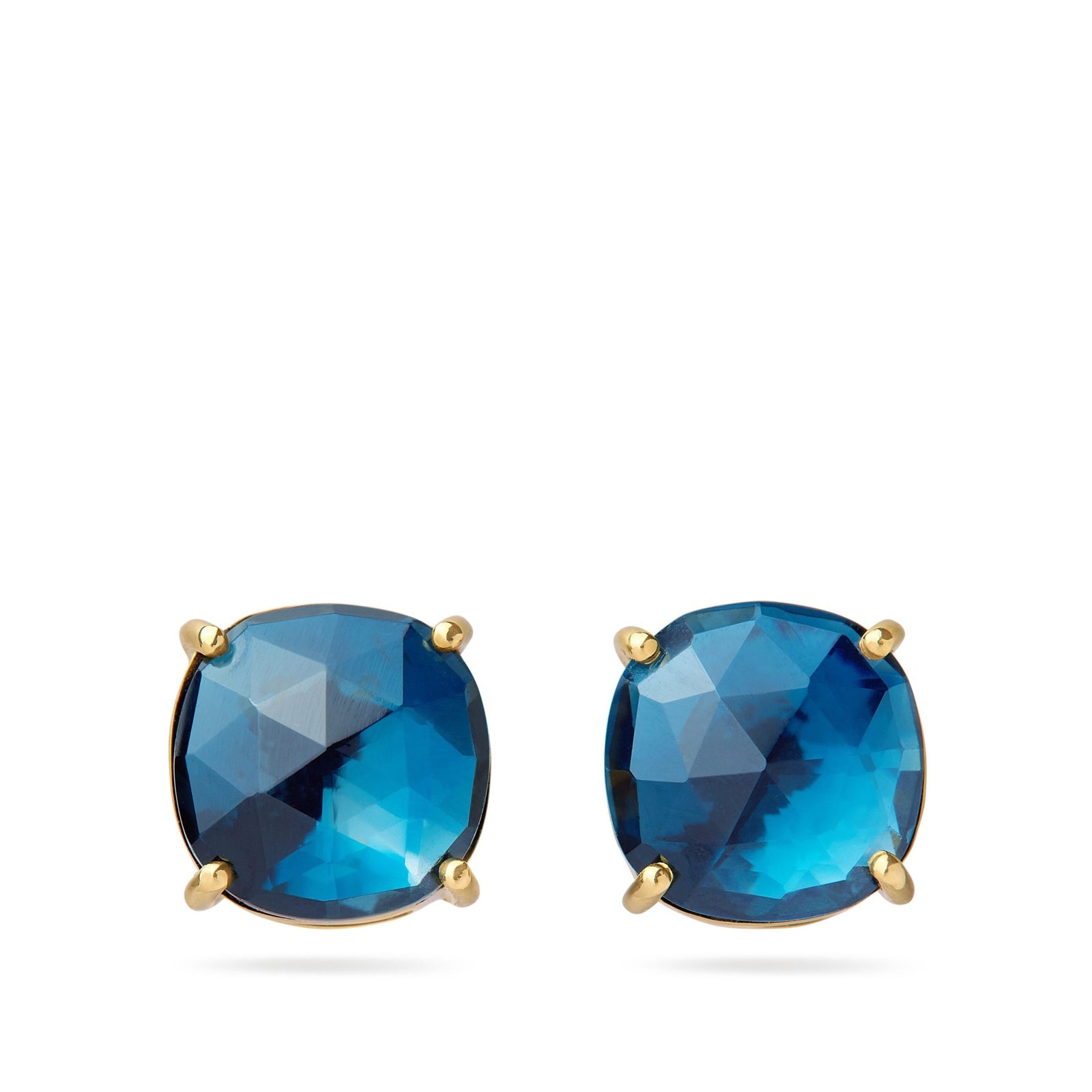
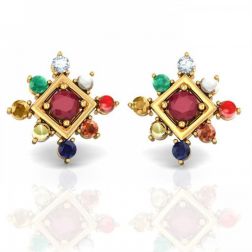
Precious metal weight calculations add another layer to lab grown diamond bridal rings pricing. A typical 1-carat solitaire in 18K white gold uses approximately 3.5 to 4.5 grams of gold, which at 2026 spot prices ($2,100/oz) translates to $260 to $340 in raw metal cost. Platinum 950 settings, favored for their density and hypoallergenic properties, require 5 to 7 grams, costing $180 to $250 at $950/oz spot. Retailers often mark up metal costs by 200% to 300%, so buyers should request a breakdown of metal weight and alloy composition. Hand-fabricated settings command a 20% to 30% premium over cast pieces but offer superior durability—a critical consideration for daily-wear bridal rings. For exquisite artisan craftsmanship and certified stone settings, examine this handcrafted Bezel Set Diamond Tiny Stud Earring.
Premier Showroom Selection & Merchant Vetting for Lab Grown Diamond Bridal Rings
Across premier jewelry districts and wholesale exchanges, storefront overhead directly affects the final price of lab grown diamond bridal rings. A retailer on 47th Street with a ground-floor showroom may charge 15% to 25% more than an online-first dealer operating from a wholesale office, even for identical certified stones. In 2026, the most transparent merchants publish their markup structures or offer “wholesale-plus” pricing models where the lab diamond is sold at cost plus a fixed percentage (typically 15% to 30%) and the setting is priced separately. Buyers should always ask for the “breakdown”: diamond cost, metal cost, labor, and certification fees. A verified Earrings valuation report can serve as a third-party benchmark to validate these numbers, especially when comparing quotes across multiple merchants.
Vetting a merchant requires more than checking Google reviews. Request the dealer’s Jewelers Board of Trade (JBT) rating, which grades financial stability and ethical standing. A JBT rating of “A” or higher indicates a reliable wholesale partner. Additionally, confirm that the merchant is a member of the American Gem Society (AGS) or has a certified gemologist on staff.