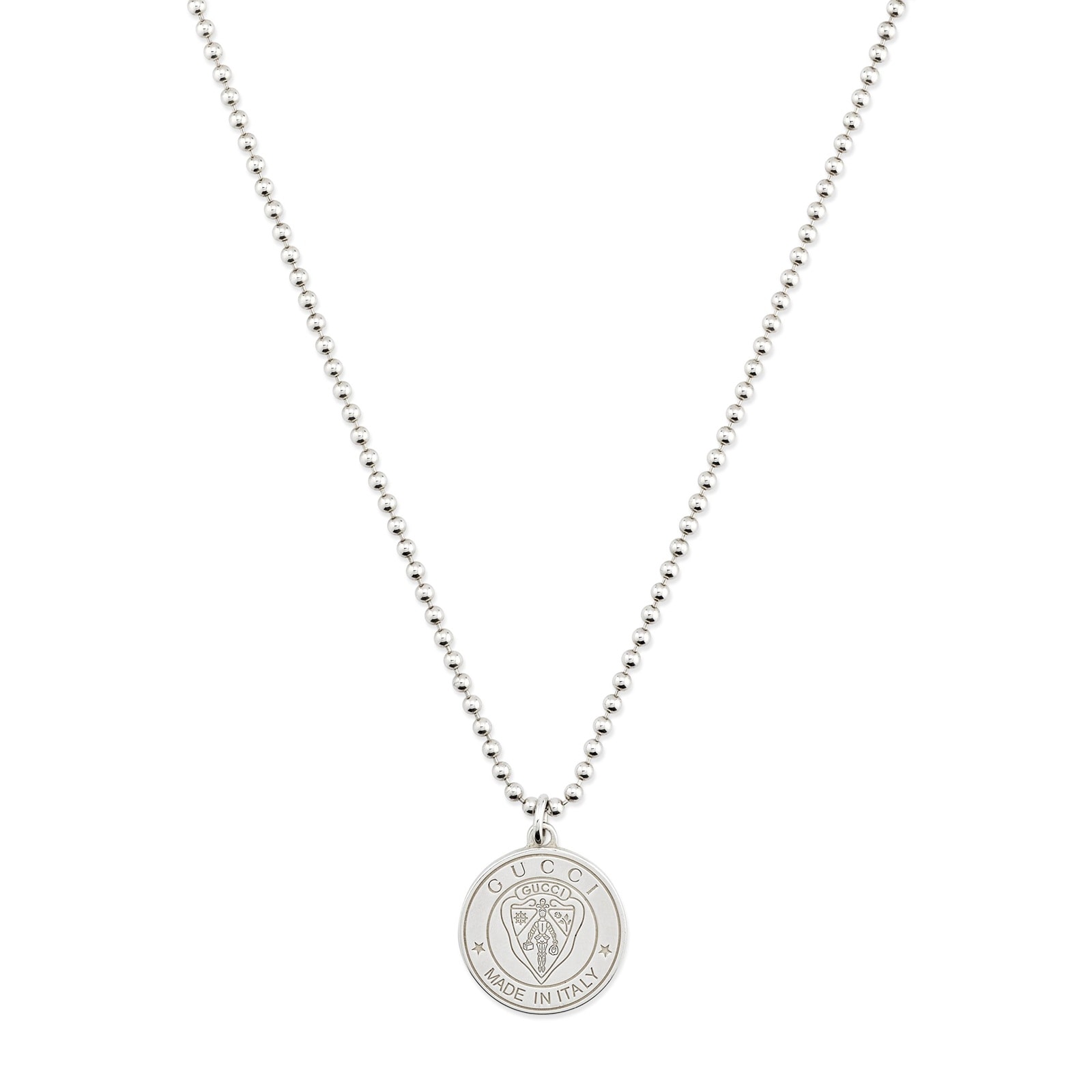
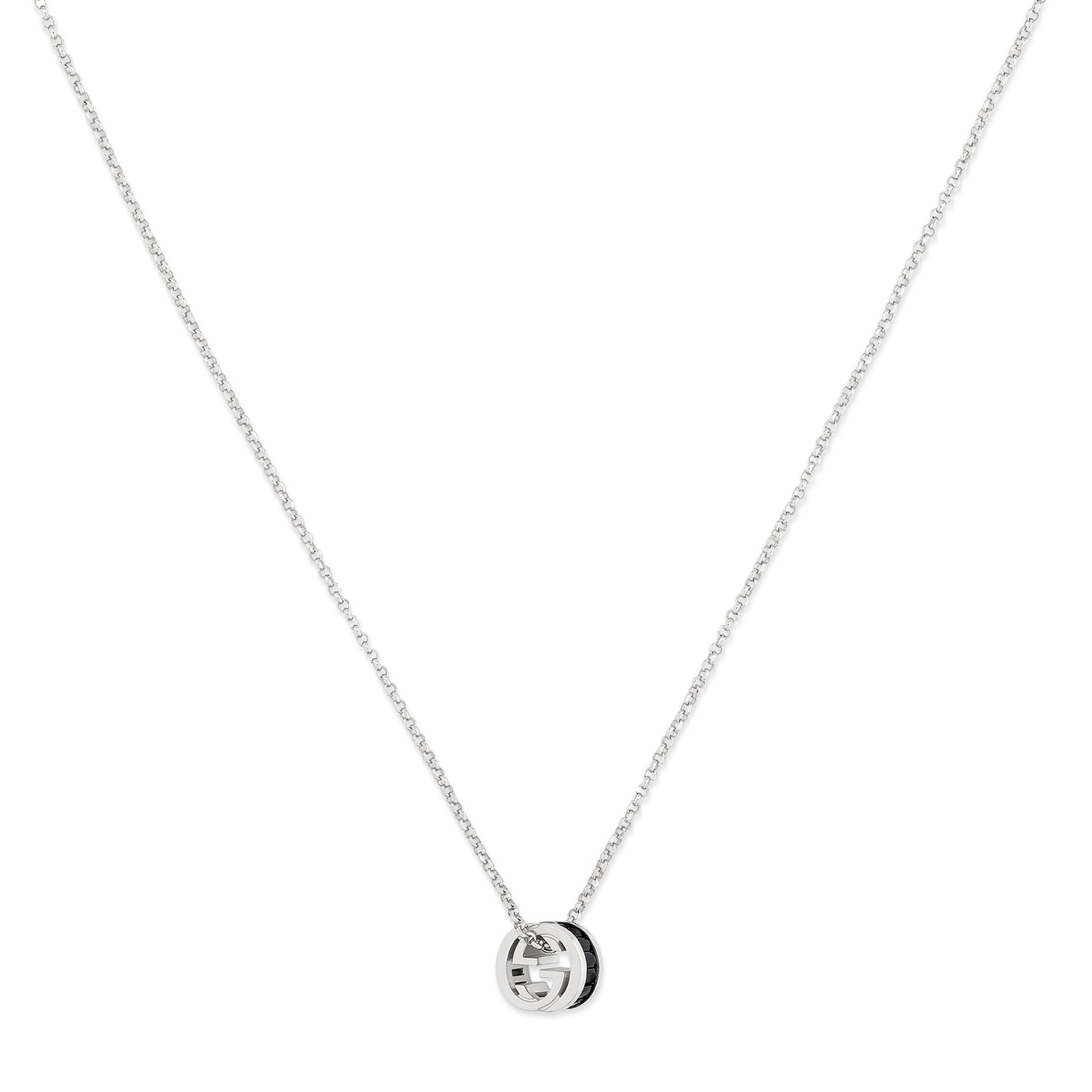
Across the United States' premier jewelry hubs and wholesale exchanges, the secondary market for custom diamond engagement rings has matured into a sophisticated asset class. As gold spot prices hover near historic highs and lab-grown diamonds reshape supply dynamics, consumers face a critical question: what is my ring truly worth in trade? This guide dissects the mechanics of gold melt valuation, diamond resale premiums, and the trade-in protocols that separate informed sellers from vulnerable ones. Whether you are upgrading a setting or liquidating an estate piece, understanding the interplay between metallurgical purity and gemological grading is your first line of defense. For those seeking immediate replacement options, our certified Necklaces showroom inventory offers a benchmark for current retail pricing on comparable fine jewelry.
Market Landscape & Industry Realities for Custom Diamond Engagement Rings
Wholesale diamond premiums typically range from 15% to 40% below retail, yet trade-in values for custom diamond engagement rings often fall 50% to 70% short of original purchase prices. This gap is not arbitrary; it reflects the layered costs of fabrication, branding, and the dealer's risk in re-selling a bespoke piece. Historically, the Diamond District in New York and similar corridors in Los Angeles and Chicago have operated on a thin-margin, high-volume model where melt value anchors the floor and diamond resale provides the upside. In 2026, the proliferation of lab-grown diamonds has further compressed resale premiums for natural stones under one carat, forcing sellers to prioritize certification and cut quality over carat weight alone.
Always inspect the inside of the shank for hallmarks before accepting any trade-in offer. Official stamps—such as "18K," "750," "PT950," or "14K"—are your first indicator of metal purity and legal compliance. Absence of a hallmark does not guarantee low value, but it mandates independent testing. The economic reality is that gold melt value is transparent and universally quoted, while diamond resale is opaque and dealer-dependent. Sellers who understand this dichotomy can negotiate from a position of strength, separating the metal component from the stone component and demanding itemized valuations for each.
Geographic location influences trade-in offers more than most consumers realize. Across premier jewelry districts and wholesale exchanges, storefront overhead directly affects the spread a dealer can offer. A merchant in a high-rent Manhattan corridor may quote a lower metal percentage to cover operating costs, whereas a suburban jeweler with lower overhead might pass through more of the melt value. Savvy sellers obtain three independent quotes—one from a wholesale exchange, one from a retail showroom, and one from a online refinery—to triangulate a fair market range. This competitive tension is the single most effective tool for optimizing trade-in value in any city.
The 4Cs, Sourcing & Pricing Benchmarks for Custom Diamond Engagement Rings
Independent gemological laboratories like GIA and IGI classify cut grade as the single greatest determinant of diamond resale value, yet trade-in offers frequently discount cut in favor of carat weight. This is a tactical error for sellers. A 1.00-carat round brilliant with an Excellent cut and VS1 clarity will consistently command a higher resale premium than a 1.20-carat stone with a Good cut and SI2 clarity, because the former is easier for a dealer to re-sell to discerning buyers. When evaluating custom diamond engagement rings for trade-in, insist that the dealer's offer explicitly references the certificate's cut, color, and clarity grades, not just carat weight.
Compared to machine-pressed gold settings, hand-fabricated platinum mounts provide superior structural integrity but complicate trade-in because platinum resale is priced on a different spot market than gold. Platinum 950, the standard for fine jewelry, contains 95% pure platinum and 5% iridium or ruthenium. Its melt value is quoted per troy ounce and is typically lower than gold on a per-gram basis, but its density means a platinum ring weighs significantly more than an identical gold ring. Sellers must ensure the dealer uses the correct spot price for the specific metal and applies the appropriate purity factor. A common pitfall is accepting a gold-based quote for a platinum piece, which can undervalue the metal by 20% to 30%.
| Specification | Entry Tier (0.50–0.99 ct) | Mid Tier (1.00–1.49 ct) | Premium Tier (1.50–2.99 ct) |
|---|---|---|---|
| GIA Excellent Cut, G Color, VS2 | $1,800–$3,200 | $4,500–$7,800 | $9,500–$16,000 |
| GIA Very Good Cut, H Color, SI1 | $1,200–$2,400 | $3,200–$5,600 | $7,000–$12,500 |
| IGI Excellent Cut, F Color, VVS2 | $1,500–$2,800 | $3,800–$6,500 | $8,200–$14,000 |
| No Certificate, Estimated Grades | $600–$1,400 | $1,800–$3,500 | $4,500–$8,000 |
Data tables like the one above are essential negotiation tools. They establish a transparent baseline for diamond resale and expose dealers who attempt to lump the stone value into a single opaque offer. For a deeper dive into how cut, clarity, and color interact to influence pricing, explore our curated Necklaces collection to see how comparable stones are priced at retail. This retail benchmark is critical because trade-in offers should be evaluated as a percentage of retail replacement value, not as an absolute number. A dealer offering 40% of retail for a certified stone is within normal market parameters; an offer below 25% warrants immediate skepticism.
Premier Showroom Selection & Merchant Vetting for Custom Diamond Engagement Rings
Direct wholesale versus retail markups create a two-tier market that consumers must navigate carefully. Wholesale exchanges typically operate on 10% to 20% margins, while retail showrooms may apply 50% to 100% markups to cover marketing, inventory carrying costs, and customer service. For trade-in purposes, wholesale buyers are generally more aggressive on metal melt value but more conservative on diamond resale because their customer base is price-sensitive. Retail showrooms may offer higher trade-in credits toward a new purchase but will recoup that credit through the markup on the replacement piece. The optimal strategy is to separate the sale of the old ring from the purchase of the new one, negotiating each transaction independently.
Always request a verified Necklaces valuation report or equivalent gemological assessment before finalizing any trade-in. This report should include the metal purity, stone weight, certificate number, and a breakdown of melt value versus resale premium. Reputable merchants in the Diamond District and other premier hubs will provide this documentation without hesitation; those who resist are signaling either a lack of transparency or an intention to lowball. Vet merchants by checking their membership in industry associations such as the Jewelers Vigilance Committee and their standing with the Better Business Bureau.
Negotiation protocols for custom diamond engagement rings trade-in follow a predictable rhythm. Begin by presenting your certificate and appraisal, then request a written, itemized offer that separates metal value, stone value, and any setting or craftsmanship credit. Counter with comparable sales data from online marketplaces and auction results. Most dealers build 10% to 15% of negotiating room into their initial offer, so a firm but polite counter is expected. Avoid emotional anchoring to the original purchase price; the market values the ring on its current specifications, not on what you paid. Sellers who approach the transaction as a business negotiation consistently achieve 15% to 25% higher returns than those who accept the first offer.
Custom Design, Bench Fabrication & Certification for Custom Diamond Engagement Rings
Verification of GIA and IGI certificates is non-negotiable in any trade-in involving custom diamond engagement rings. Every certified diamond is laser-inscribed with its report number on the girdle, and this inscription must be verified under magnification before the dealer takes possession. Cross-reference the certificate number on the laboratory's website to confirm the grading details and ensure the stone has not been swapped. For fancy shapes and colored stones, the certificate should specify the origin and treatment status; an unheated sapphire commands a premium over a heated one, and a black onyx—such as the handcrafted 2 CT Heart Shape Black Onyx Solitai—requires documentation of its natural origin to support resale value.
Metal alloys in custom diamond engagement rings present another layer of verification. 18K gold contains 75% pure gold, 14K contains 58.3%, and 24K is 99.9% pure but too soft for most settings. Platinum 950 is 95% pure, and palladium 950 is an emerging alternative with similar properties. Acid testing is the traditional method for verifying karat, but it is destructive and subjective. X-ray fluorescence (XRF) testing is non-destructive, precise to within 0.1%, and increasingly available at premier showrooms. Insist on XRF testing for any high-value trade-in