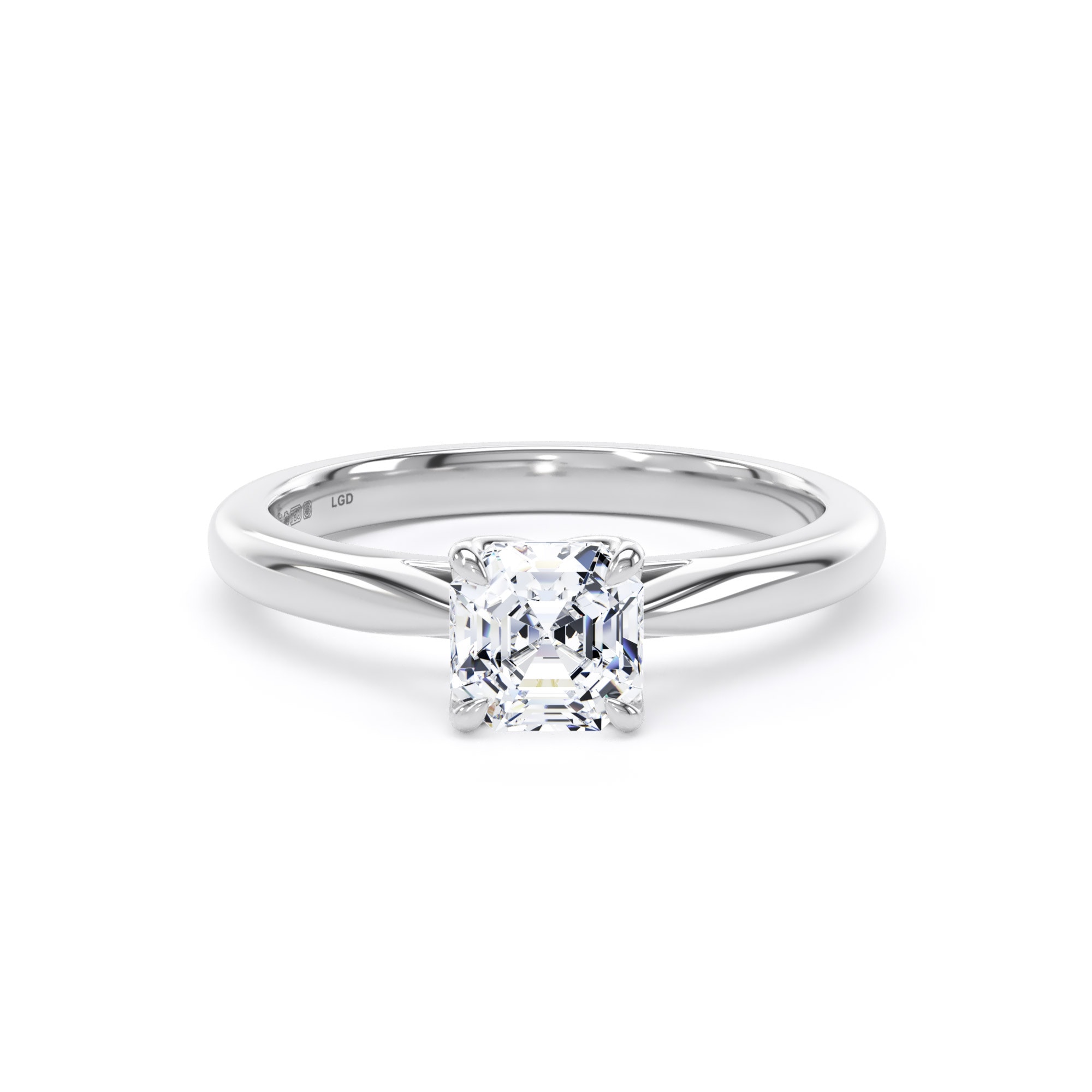
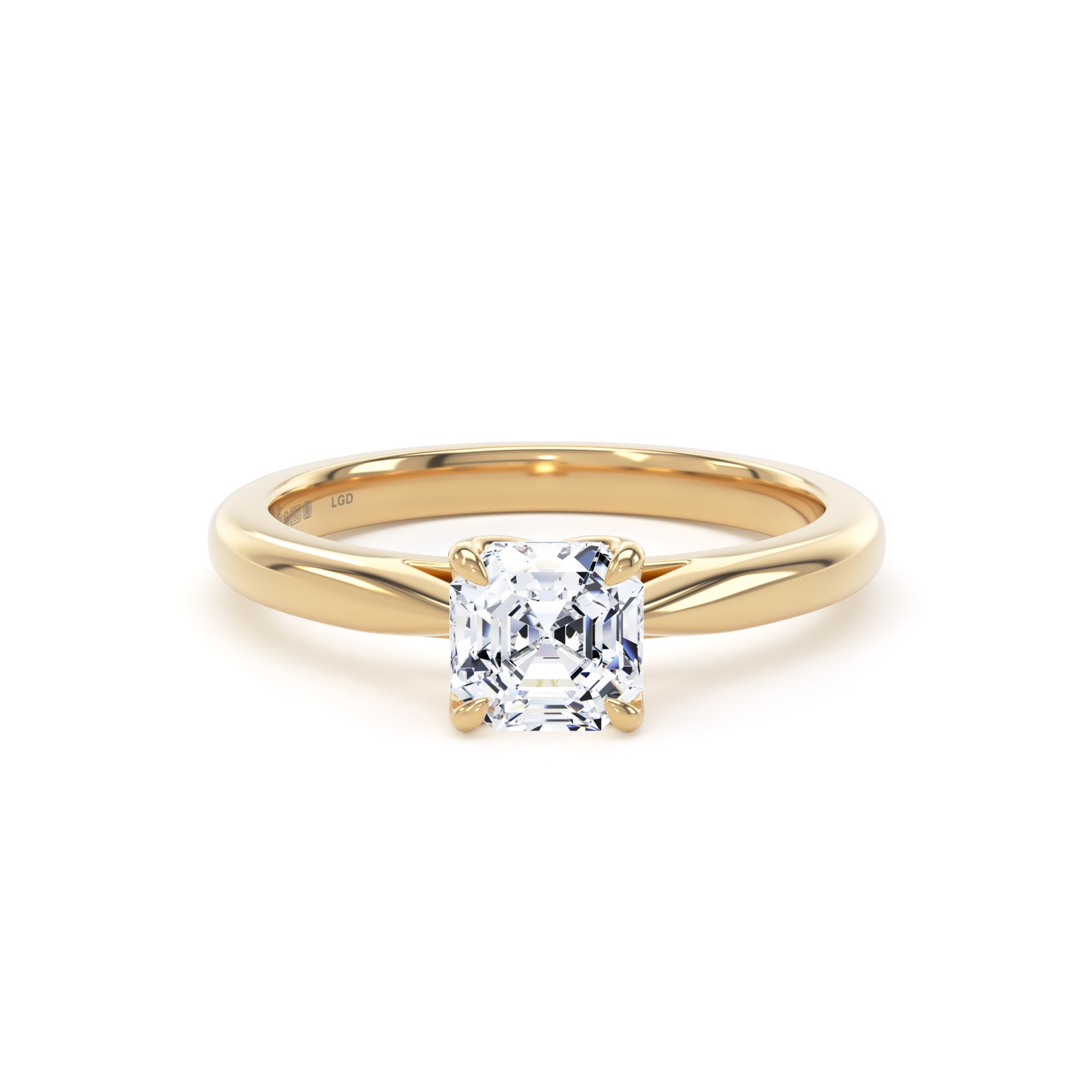
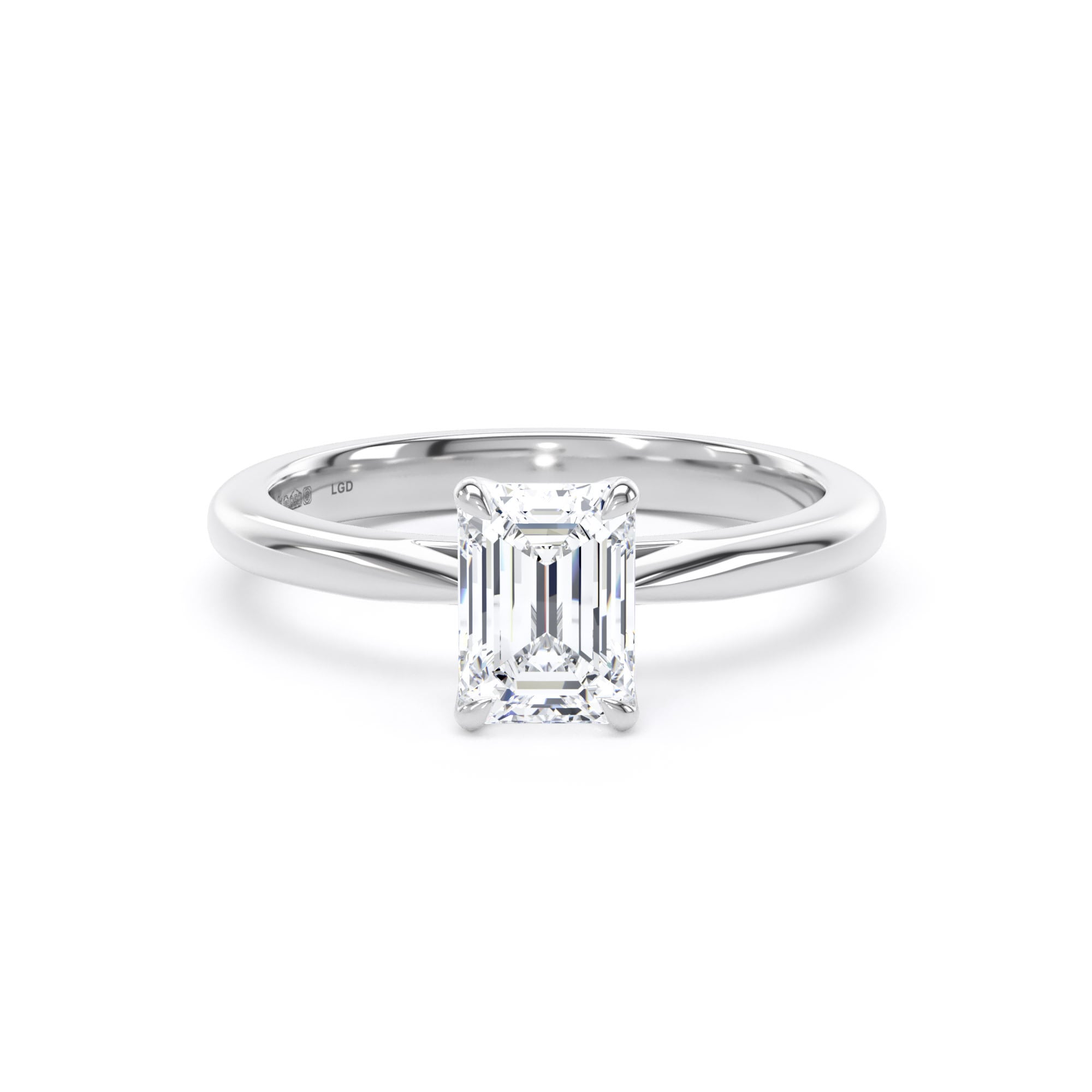
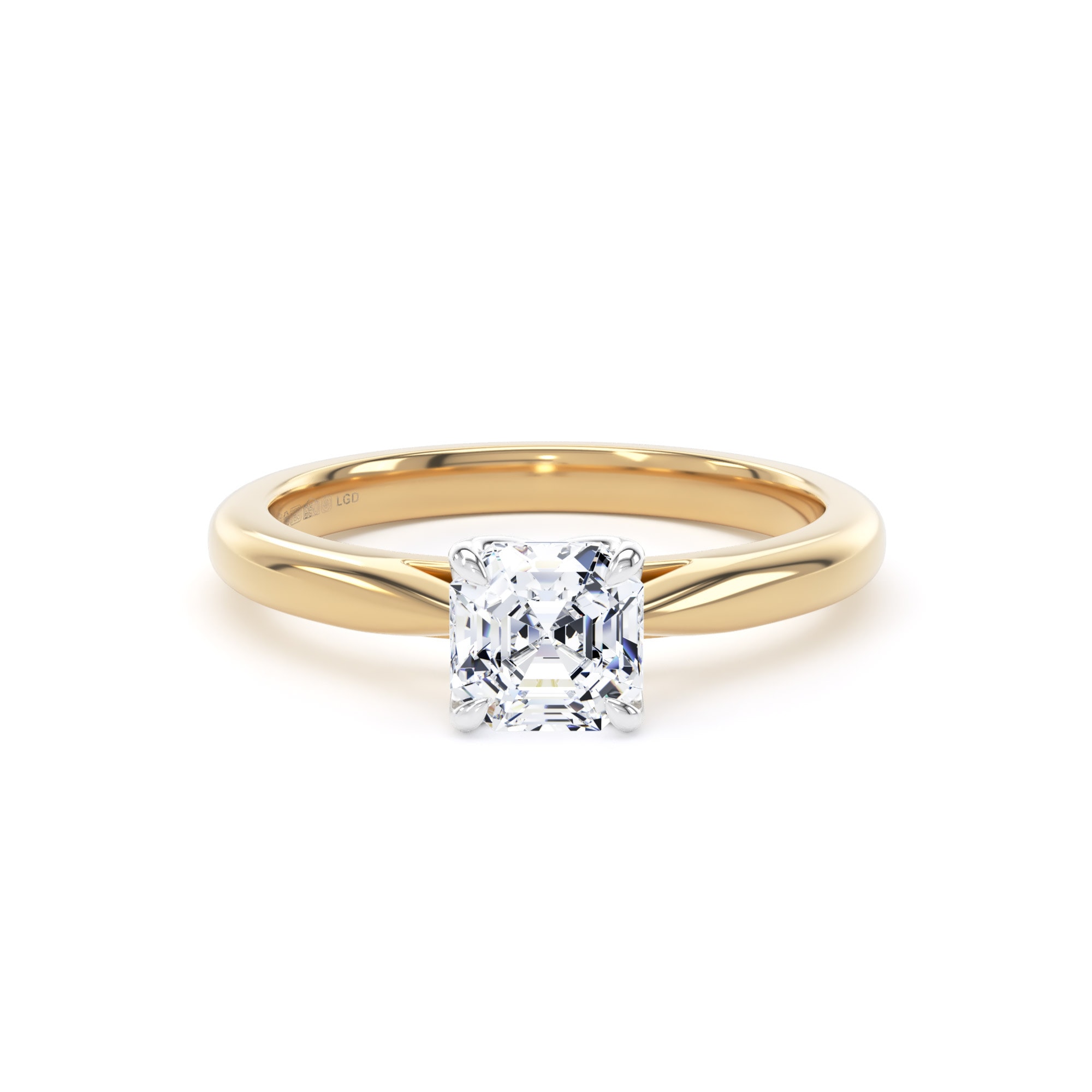
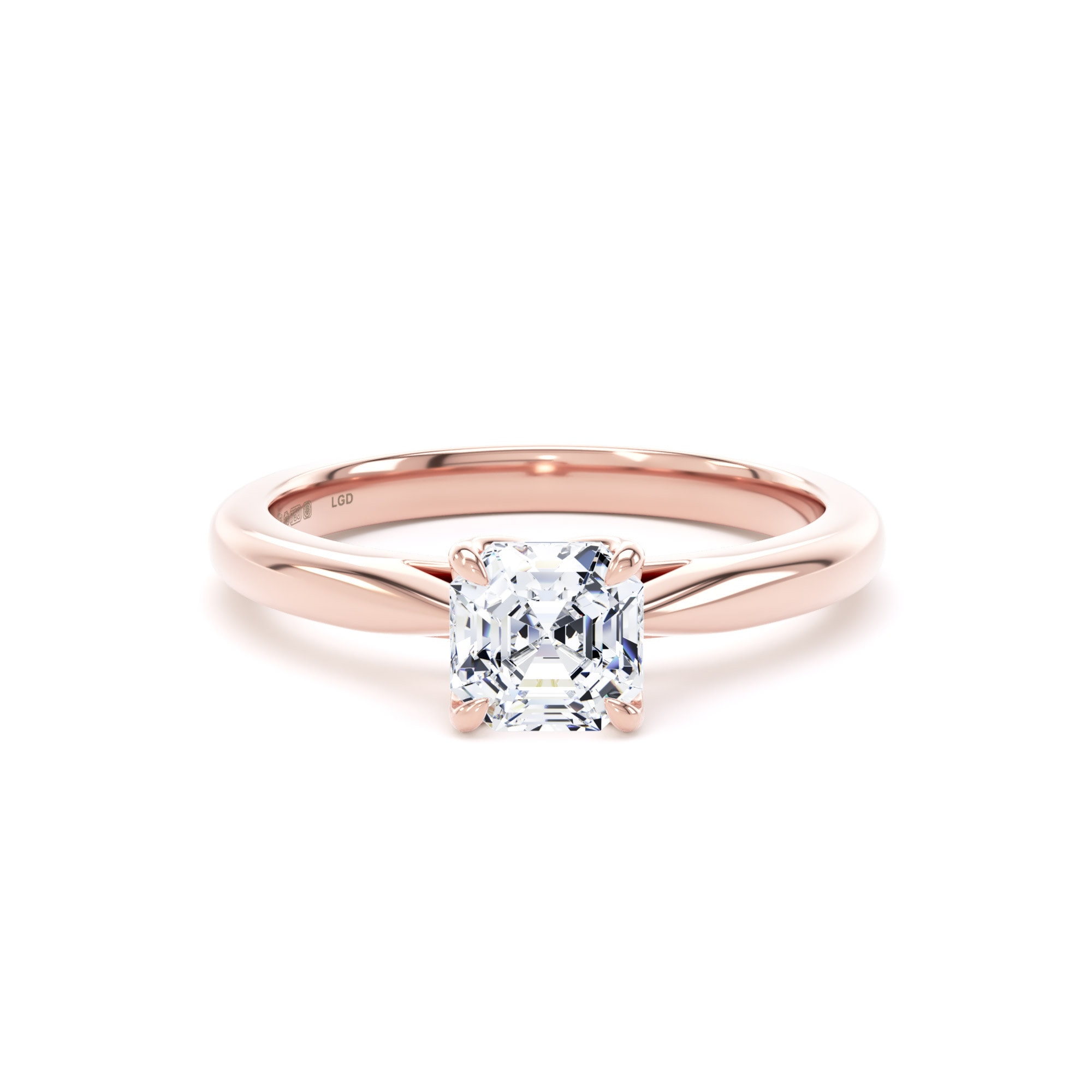
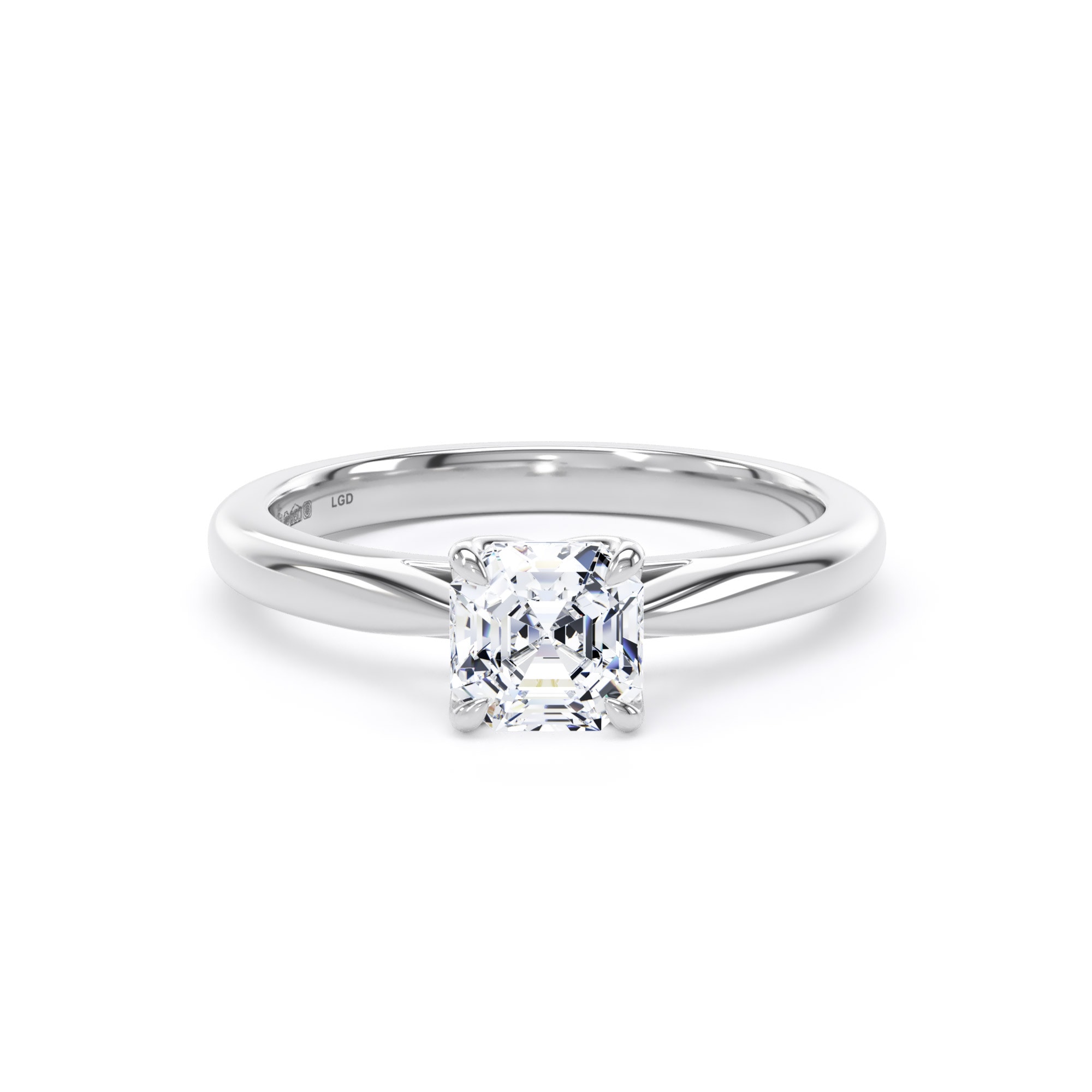
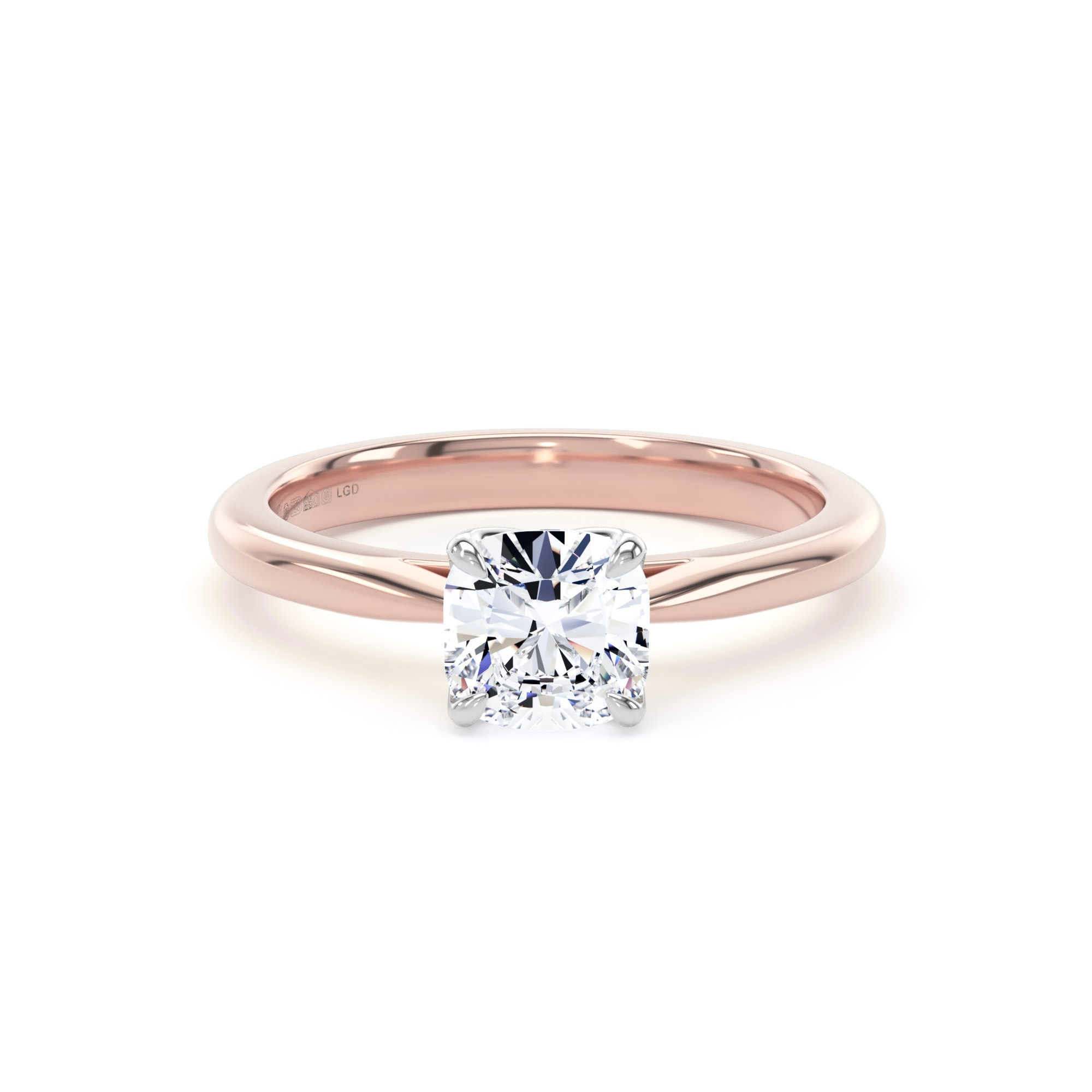
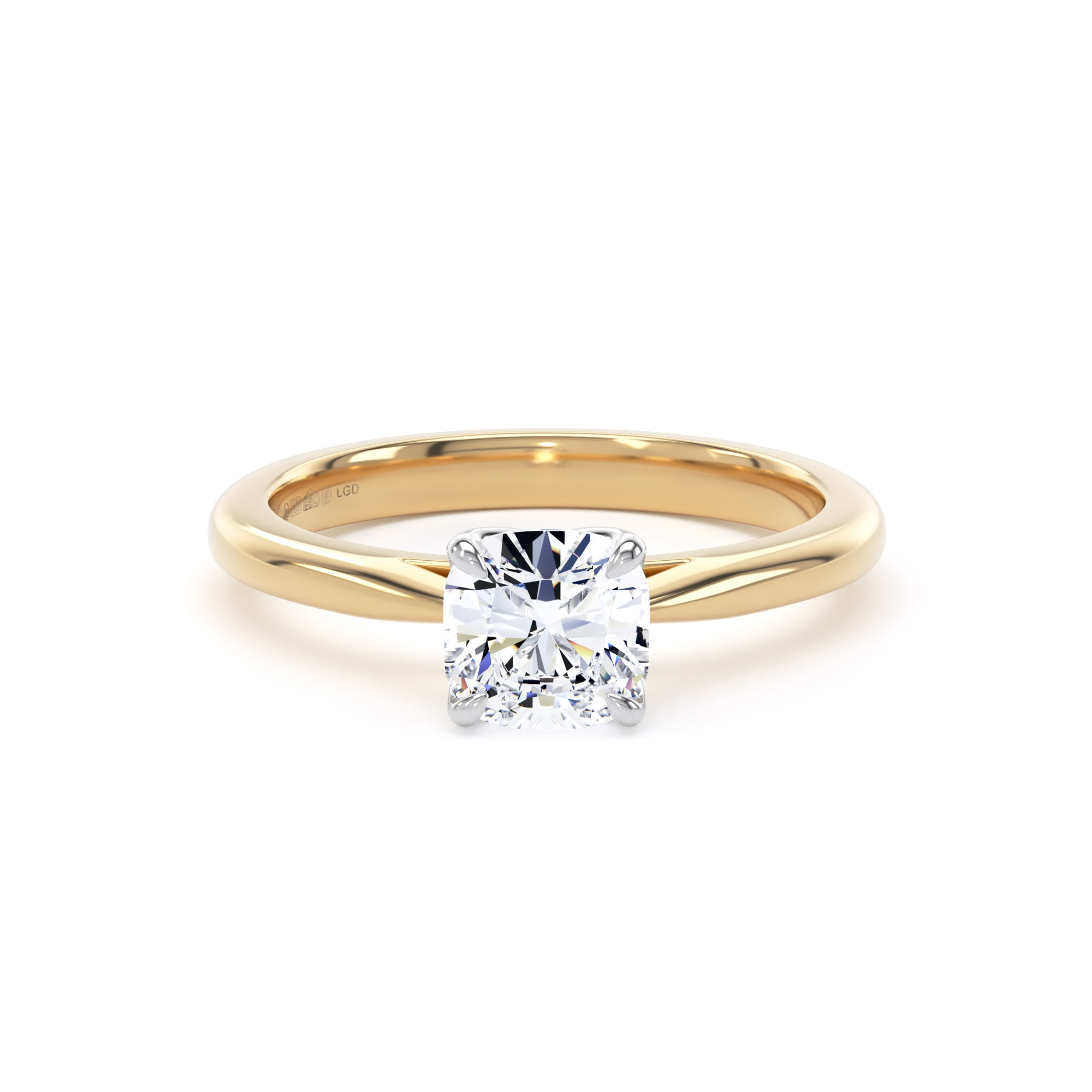

Miami Engagement Rings Market Landscape: Consumer Realities in 2026
Miami’s luxury jewelry market has experienced a seismic shift in 2026, driven by a confluence of international tourism, Latin American capital inflow, and a new generation of high-net-worth residents relocating from high-tax states. Engagement rings remain the cornerstone of this boom, with local retail sales volume up an estimated 12% year-over-year. However, the consumer landscape is far from uniform. From the high-gloss storefronts of Brickell City Centre to the family-run vaults of the Miami Diamond District on NE 1st Avenue, price disparities for comparable diamonds can exceed 40%. Understanding these local realities is the first step toward avoiding overpayment.
Within the historic shopping corridors of Miami, storefront overhead directly affects the final ticket price of every engagement ring. A 1.00-carat G-color, VS1-clarity round brilliant may carry a $9,800 price tag in a mall chain, while a similar stone with GIA certification can be sourced for $6,200 in a wholesale-oriented district jeweler. This spread is not arbitrary; it reflects rent, marketing budgets, and inventory turnover models. For buyers, the key is knowing where to look and how to evaluate the certified Engagement Rings showroom inventory that offers full transparency on grading and sourcing.
Economic factors unique to Miami further complicate the picture. The city’s status as a gateway to the Caribbean and South America means that a significant portion of diamond inventory is imported through free-trade zones, sometimes bypassing traditional customs channels. While legal, this can affect the availability of certain certifications and the willingness of merchants to negotiate. Moreover, the 2026 market has seen a surge in lab-grown diamond acceptance, particularly among younger buyers, which has placed downward pressure on natural diamond prices in the 0.50 to 1.50-carat range. Understanding these dynamics is essential before stepping into any showroom.
The 4Cs, Sourcing & Pricing Benchmarks for Miami Engagement Rings
Independent gemological laboratories like GIA and IGI classify cut grade as the single greatest determinant of a diamond’s optical performance and, consequently, its price. In Miami’s 2026 market, a diamond with an Excellent cut grade commands a 15-25% premium over a Very Good cut of the same carat, color, and clarity. This premium is not merely aesthetic; it reflects the precision required to achieve ideal light return. Buyers should prioritize cut above all else, as it can mask minor color or clarity imperfections. The table below outlines current Miami retail price ranges for round brilliant diamonds across popular carat tiers, based on aggregated data from district jewelers.
| Carat Weight | Color/Clarity (GIA) | Wholesale Price Range (USD) | Typical Miami Retail (USD) | Markup Percentage |
|---|---|---|---|---|
| 0.50 ct | G/VS2 | $1,200 - $1,500 | $1,800 - $2,400 | 50-60% |
| 0.75 ct | G/VS1 | $2,300 - $2,800 | $3,400 - $4,200 | 48-50% |
| 1.00 ct | G/VS1 | $4,800 - $5,500 | $6,800 - $8,200 | 42-49% |
| 1.50 ct | F/VS1 | $9,500 - $11,000 | $13,500 - $16,000 | 42-45% |
| 2.00 ct | F/VS2 | $17,000 - $20,000 | $24,000 - $29,000 | 41-45% |
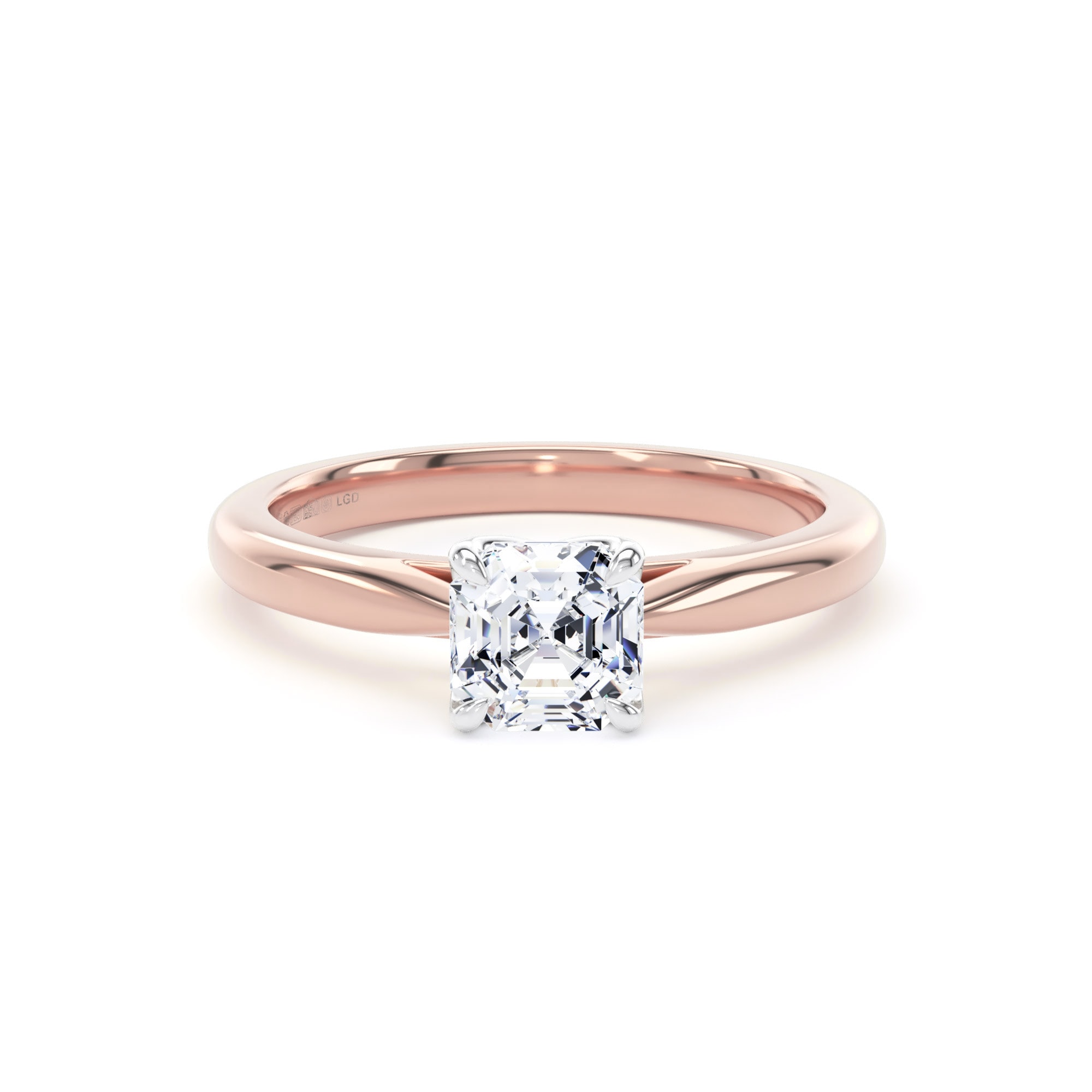
Wholesale diamond premiums typically range from 10-20% above Rapaport list prices for certified stones in the Miami market, but retail markups vary widely. To explore our curated Engagement Rings collection is to witness firsthand how setting style and brand prestige can add $1,000 to $5,000 to the final cost. For example, a simple solitaire setting in 18K gold may add $800-$1,200, while a halo design with pavé diamonds can add $2,500-$4,000. Buyers must separate the stone cost from the setting cost to negotiate effectively.
Always inspect the pavilion depth and table percentage under a 10x loupe before committing to a purchase. A pavilion depth exceeding 43% can create a "fish-eye" effect, reducing brilliance and value. In Miami, many jewelers will provide a loupe and a GIA report; if they hesitate, consider it a red flag. Additionally, the rise of lab-grown diamonds has created a parallel pricing structure. A 1.00-carat lab-grown diamond of similar quality now retails for $1,200-$1,800 in Miami, roughly 75% less than natural. While lab-grown stones lack the investment potential of natural diamonds, they offer an ethical and budget-friendly alternative for buyers prioritizing size and appearance.
Local Showroom Selection & Merchant Vetting in Miami’s Diamond District
Compared to machine-pressed gold settings, hand-fabricated platinum mounts provide superior durability and a heftier feel, but they also command a 20-30% premium. This metallurgical distinction is crucial when evaluating Miami jewelers, as many storefronts outsource setting fabrication to overseas workshops. A reputable merchant will disclose the origin of both the stone and the setting, and will stand behind the craftsmanship with a written warranty. When vetting showrooms, ask specific questions: "Is the setting cast or hand-fabricated?" "What is the alloy composition of your 18K gold?" "Do you provide a GIA or IGI report for every stone over 0.50 carats?"
The Miami Diamond District retail guide highlights key corridors: NE 1st Avenue (wholesale-focused), Flagler Street (mixed retail), and the Design District (luxury brands). Each has distinct pricing models. NE 1st Avenue jewelers often operate on 15-25% margins, relying on volume and repeat clients, while Design District boutiques may apply 60-100% markups to cover brand prestige and high rents. For the best value, focus on family-owned shops with in-house gemologists and a transparent grading policy. Negotiation is expected in the district; a 10-15% discount off the sticker price is common for cash purchases or wire transfers.
"In Miami, the difference between a $6,000 and a $9,000 engagement ring is often not the diamond—it’s the address. Buyers who educate themselves on certification and markup structures consistently secure better value." — Senior Gemologist, Diamond District Block
Merchant vetting should include checking the jeweler’s membership in the Jewelers of America or the American Gem Society, verifying business licenses, and reading recent Google reviews for signs of post-sale service issues. Always request a detailed invoice that separates the diamond, setting, and any appraisal fees. This documentation is essential for insurance and future resale. Avoid any merchant who pressures you to buy without a certificate or who refuses to allow an independent appraisal before purchase.
Custom Design, Bench Fabrication & Certification for Miami Engagement Rings
Independent gemological laboratories like GIA and IGI classify cut grade as the single greatest determinant of a diamond’s optical performance, but certification is equally critical for verifying authenticity. In 2026, Miami has seen a rise in counterfeit certificates, particularly for lab-grown stones falsely labeled as natural. Always verify the certificate number on the issuing lab’s website and match the laser inscription on the diamond’s girdle using a jeweler’s loupe. A legitimate GIA report includes a plotted diagram of inclusions; if the stone’s inclusions don’t match the plot, walk away.
For custom design, Miami’s bench jewelers offer a unique advantage: the ability to source stones directly from international cutters and fabricate settings in-house. This can reduce costs by 15-20% compared to buying a finished piece. However, custom work requires a clear timeline and a detailed contract. Expect a 4-6 week turnaround for a bespoke ring, with a 50% deposit. When considering alternative center stones, the handcrafted Cultured 7.4 Carat Freshwater Pearl solitaire offers a distinctive, romantic option at a fraction of diamond cost, though it requires careful care and a protective setting.
Metal alloy selection is another critical decision. Platinum (95% pure) is hypoallergenic and develops a patina over time, while 18K gold (75% pure) offers a warmer tone but is softer. In Miami’s humid climate, platinum’s resistance to corrosion is a practical advantage. Always check for hallmarks (e.g., "PLAT" or "750") inside the band to confirm purity. For certification, insist on a GIA or IGI