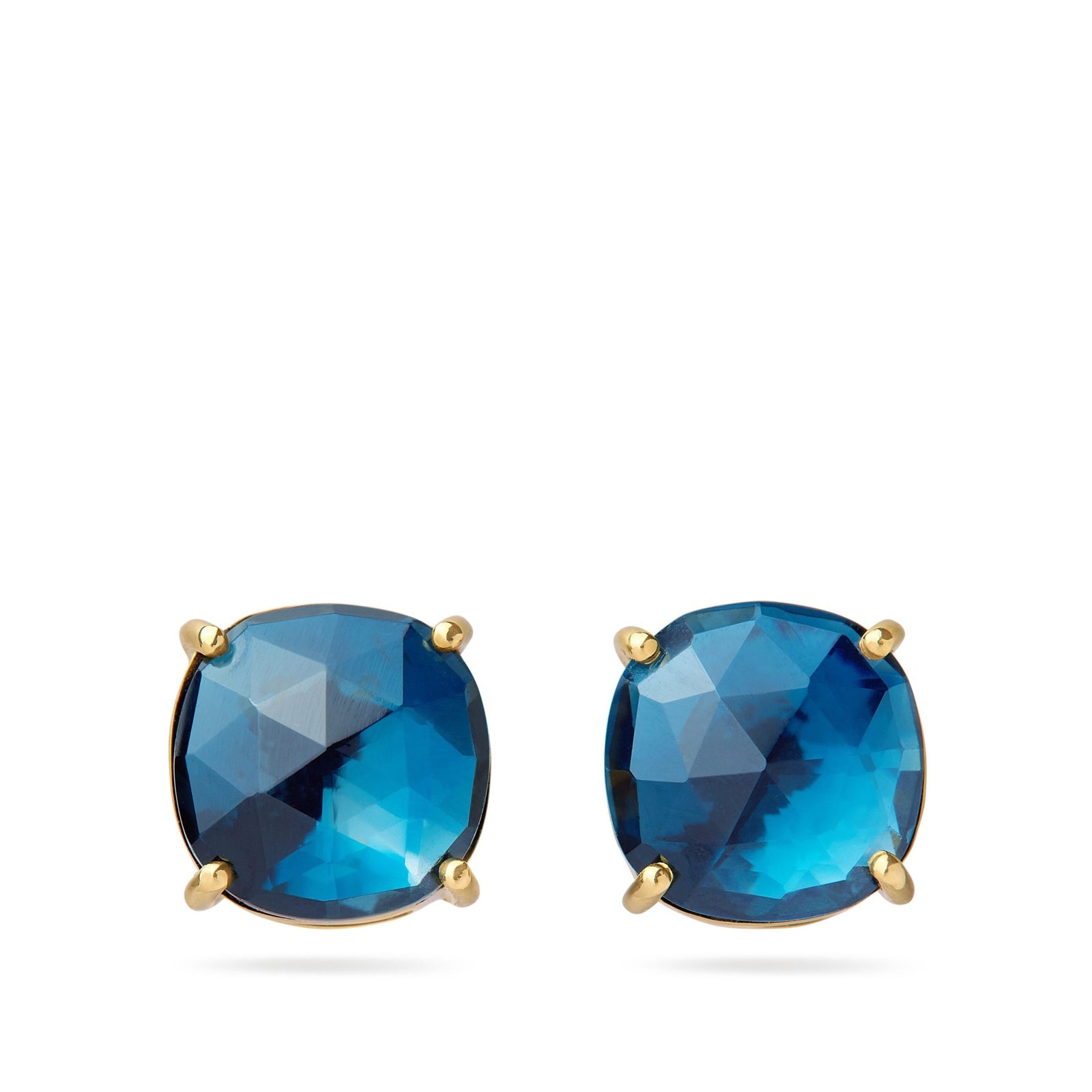
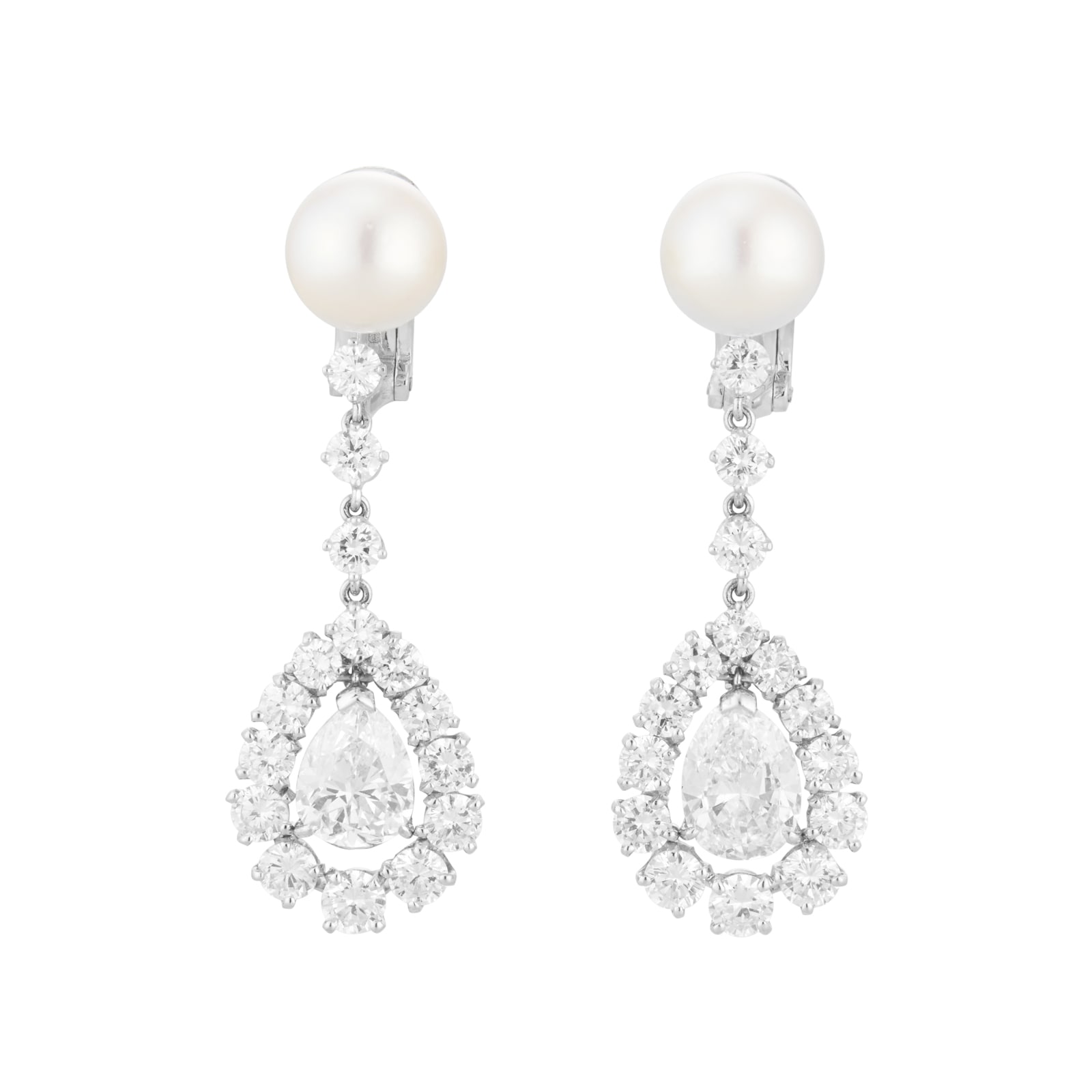
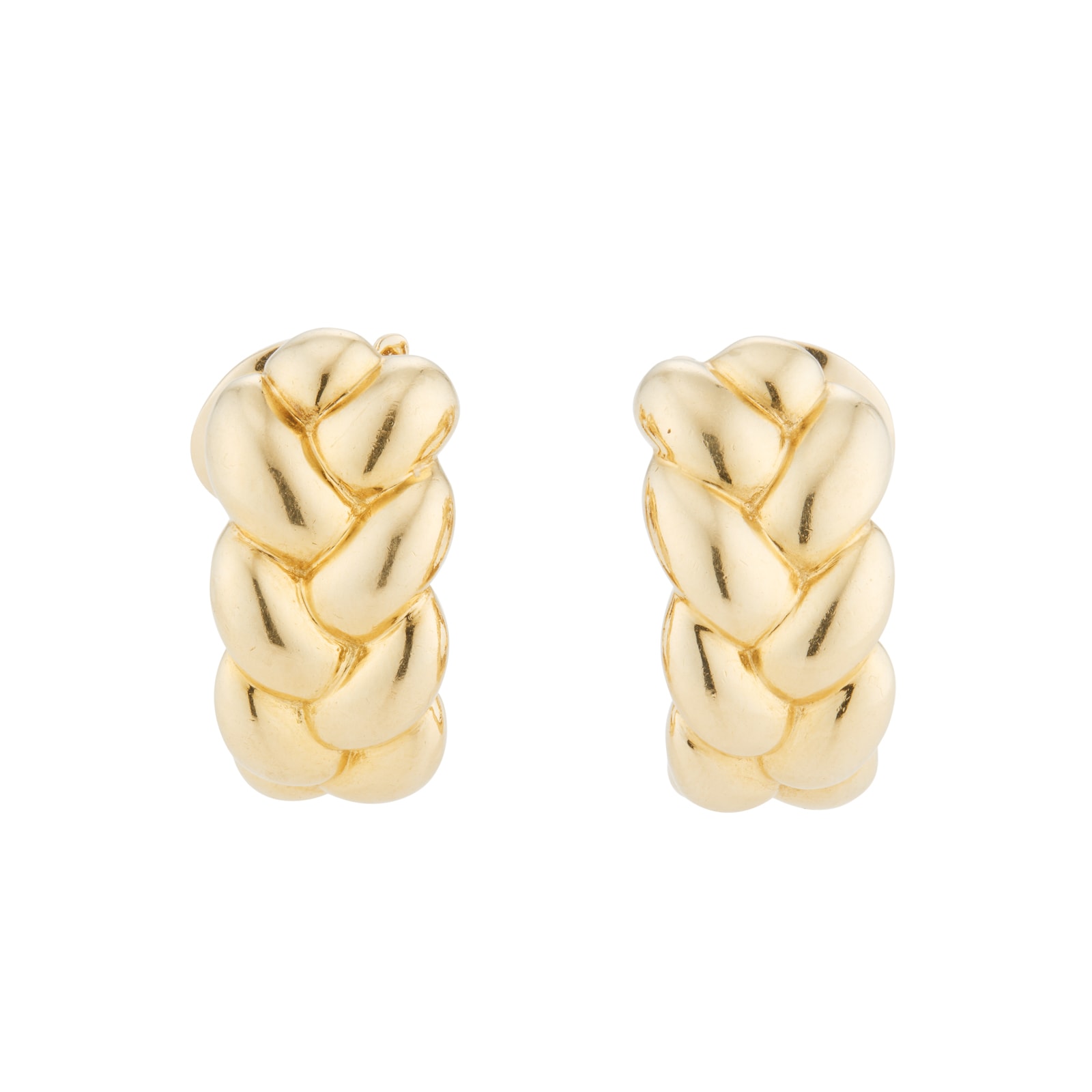
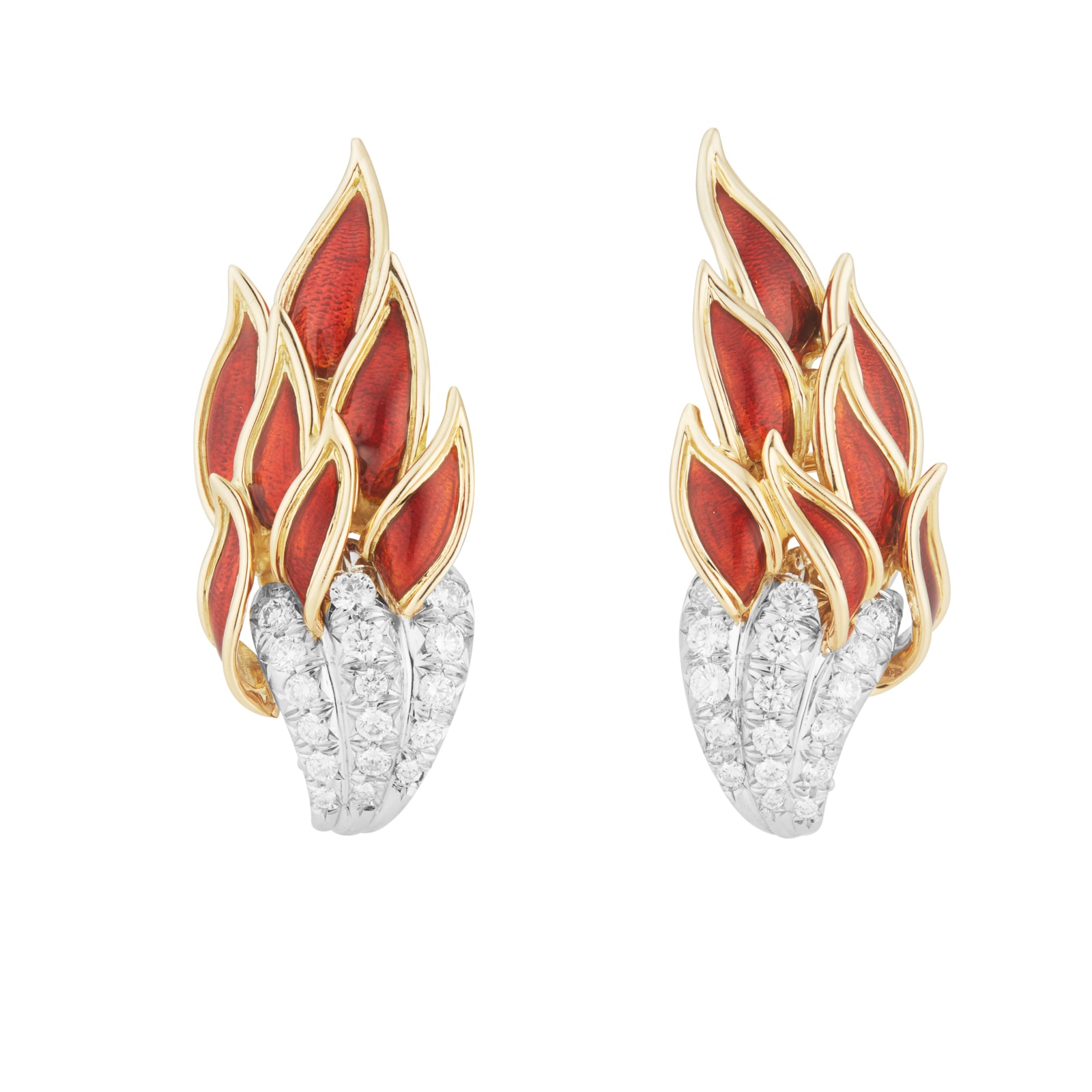
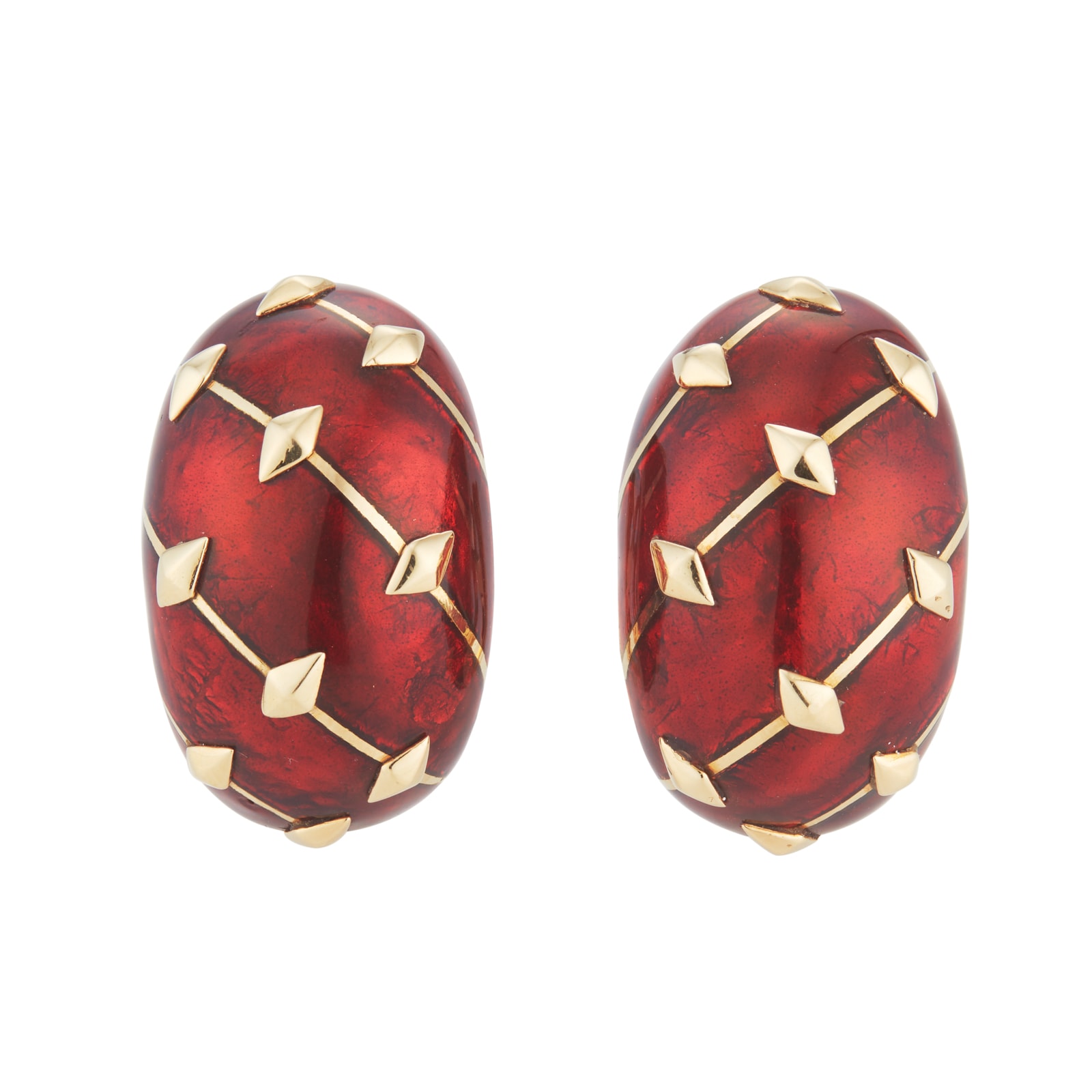
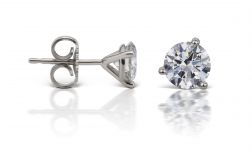
Across the premier jewelry corridors of the United States—from New York's 47th Street to Los Angeles's Hill Street and Chicago's Jewelers Row—the bridal counter has been fundamentally reorganized by the lab-grown diamond. In 2026, lab grown diamond bridal rings represent the single fastest-growing segment of engagement and wedding jewelry, yet they also carry the most misunderstood resale economics in the entire trade. This gemological guide dissects the buying and resale comparison with the same rigor a wholesale exchange applies to parcel evaluation, so that consumers and trade buyers alike can make decisions grounded in certification data rather than showroom romance. For exquisite artisan craftsmanship and certified stone settings, examine this handcrafted Bezel Set Diamond Tiny Stud Earring.
Market Landscape & Industry Realities for lab grown diamond bridal rings
Wholesale lab-grown diamond prices have fallen by more than 80% since 2018, and 2026 wholesale quotes for 1-carat round brilliant lab-grown stones now routinely sit between $200 and $450 per carat depending on color and clarity, while natural equivalents of comparable GIA-graded quality command $4,000 to $7,500 per carat. That spread is the defining economic fact of the modern bridal market, and it explains why retail showrooms can offer a 2-carat lab-grown solitaire at a price point that would have bought a half-carat natural stone a decade ago. The technology itself—chemical vapor deposition (CVD) and high-pressure high-temperature (HPHT) synthesis—has matured to the point where production yields are predictable and quality is consistent, which is precisely why the price floor continues to erode.
Historically, the bridal ring was treated as a store of value as much as a symbol, and natural diamond pricing reflected decades of cartel-controlled supply discipline. Lab-grown supply is instead governed by reactor capacity and electricity costs, creating a deflationary curve that no marketing campaign can reverse. Buyers who understand this distinction approach lab grown diamond bridal rings as a consumption purchase rather than an investment, and that framing is essential before any showroom visit. For those who want to benchmark current retail inventory against wholesale reality, browsing a certified Earrings showroom inventory provides a useful calibration point for how premier houses price certified goods.
Geographically, the national market is bifurcated. Major wholesale exchanges in New York, Miami, and Los Angeles trade lab-grown parcels at near-commodity spreads, while suburban mall jewelers still apply traditional keystone markups to the same goods. A 2026 consumer purchasing a lab-grown bridal ring in a mall setting may pay three to four times the wholesale parcel price, whereas a buyer working directly with a vetted exchange merchant can capture far more of the value. Understanding this corridor reality is the first step toward rational purchasing.
The 4Cs, Sourcing & Pricing Benchmarks for lab grown diamond bridal rings
Independent gemological laboratories like GIA and IGI classify cut grade as the single greatest determinant of light performance, and for lab-grown stones the cut grade often matters more than color or clarity because CVD growth can produce strain patterns that dull brilliance if the rough is poorly planned. Always request the full certificate—not just the grade summary—and compare table percentage, crown angle, and pavilion depth against the AGS/GIA ideal tolerances. A lab-grown stone with an Excellent cut will outperform a natural stone with a Very Good cut in visual fire, which is why cut should never be sacrificed to chase carat weight.
Compared to natural parcels, lab-grown inventory clusters heavily in the D–G color and VVS–VS clarity ranges because growers can control nitrogen incorporation and inclusion formation. This means buyers of lab grown diamond bridal rings are often choosing between near-identical top-tier stones, and the differentiator becomes cut precision and certificate provenance rather than rarity. The table below summarizes 2026 retail price benchmarks across carat tiers for both categories.
| Carat Tier (Round Brilliant, G/VS1) | Natural Retail Range (USD) | Lab-Grown Retail Range (USD) | Typical Resale Recovery (Natural) | Typical Resale Recovery (Lab-Grown) |
|---|---|---|---|---|
| 0.50 ct | $1,800 – $2,600 | $350 – $700 | 40–60% | 5–15% |
| 1.00 ct | $5,500 – $8,500 | $800 – $1,600 | 45–65% | 5–20% |
| 1.50 ct | $9,500 – $14,000 | $1,200 – $2,400 | 50–70% | 5–20% |
| 2.00 ct | $16,000 – $24,000 | $1,800 – $3,500 | 50–70% | 5–25% |
| 3.00 ct | $28,000 – $45,000 | $3,000 – $6,000 | 55–75% | 5–25% |
Retail markups on lab-grown bridal rings vary wildly by channel, and the 4Cs matrix below illustrates how merchants typically structure their offers when presenting a lab-grown center stone versus a natural one. Buyers who want to explore our curated Earrings collection will notice that premium houses maintain tighter spreads on certified goods, while mass-market channels rely on higher multiples to cover overhead.
| Channel Type | Typical Lab-Grown Markup Multiple | Typical Natural Markup Multiple | Certificate Standard |
|---|---|---|---|
| Wholesale Exchange (47th St style) | 1.5x – 2.2x parcel | 1.8x – 2.5x parcel | GIA / IGI |
| Premier Luxury Showroom | 3x – 4x parcel | 2.5x – 3.5x parcel | GIA / IGI |
| Mall / Big-Box Jeweler | 4x – 6x parcel | 3x – 4x parcel | IGI / in-house |
| Online-Only Retailer | 2x – 3x parcel | 2.5x – 3x parcel | IGI / GIA |
"Never let a showroom present a lab-grown stone without the original certificate in hand—if the grade is not independently documented, the price is fiction." — Senior Diamond District appraiser
Premier Showroom Selection & Merchant Vetting for lab grown diamond bridal rings
Across premier jewelry districts and wholesale exchanges, storefront overhead directly affects the final price of every bridal ring, and the savvy buyer learns to read the room before reading the tag. A merchant operating from a 47th Street exchange office with minimal retail footprint can pass along parcel-level savings, while a Fifth Avenue flagship must recover rent, security, and staffing through higher multiples. Vetting begins with asking whether the merchant is a direct importer or a reseller, and whether they hold their own lab-grown inventory or broker it from a parcel house.
Always verify the merchant's return policy, warranty terms, and appraisal practices in writing before placing a deposit. Reputable dealers will provide a verified Earrings valuation report that reflects current replacement cost rather than inflated retail fantasy, and they will disclose whether the appraisal is intended for insurance or resale. Ask for the certificate number in advance and confirm it against the laboratory database before you ever sit at the counter.
Negotiation protocols in the exchange differ from mall retail. Cash or wire payment typically earns a 3–7% discount, and buyers who accept merchant-held inventory rather than custom orders often secure better pricing because the merchant avoids carrying cost. In 2026, many exchange dealers are actively liquidating lab-grown bridal inventory to reduce exposure to further price declines, which creates genuine negotiating leverage for informed buyers. Do not accept a verbal price—request a written quote itemizing the center stone, side stones, metal, and labor separately.
- Refuse any lab-grown stone without a GIA or IGI certificate matching the laser inscription.
- Beware of "appraisal values" set 3–5x above actual replacement cost to justify inflated retail pricing.
- Walk away from merchants who will not disclose the wholesale parcel price or the certificate number before deposit.
- Confirm the metal hallmark (PT950, 18K, 14K) inside the shank—never