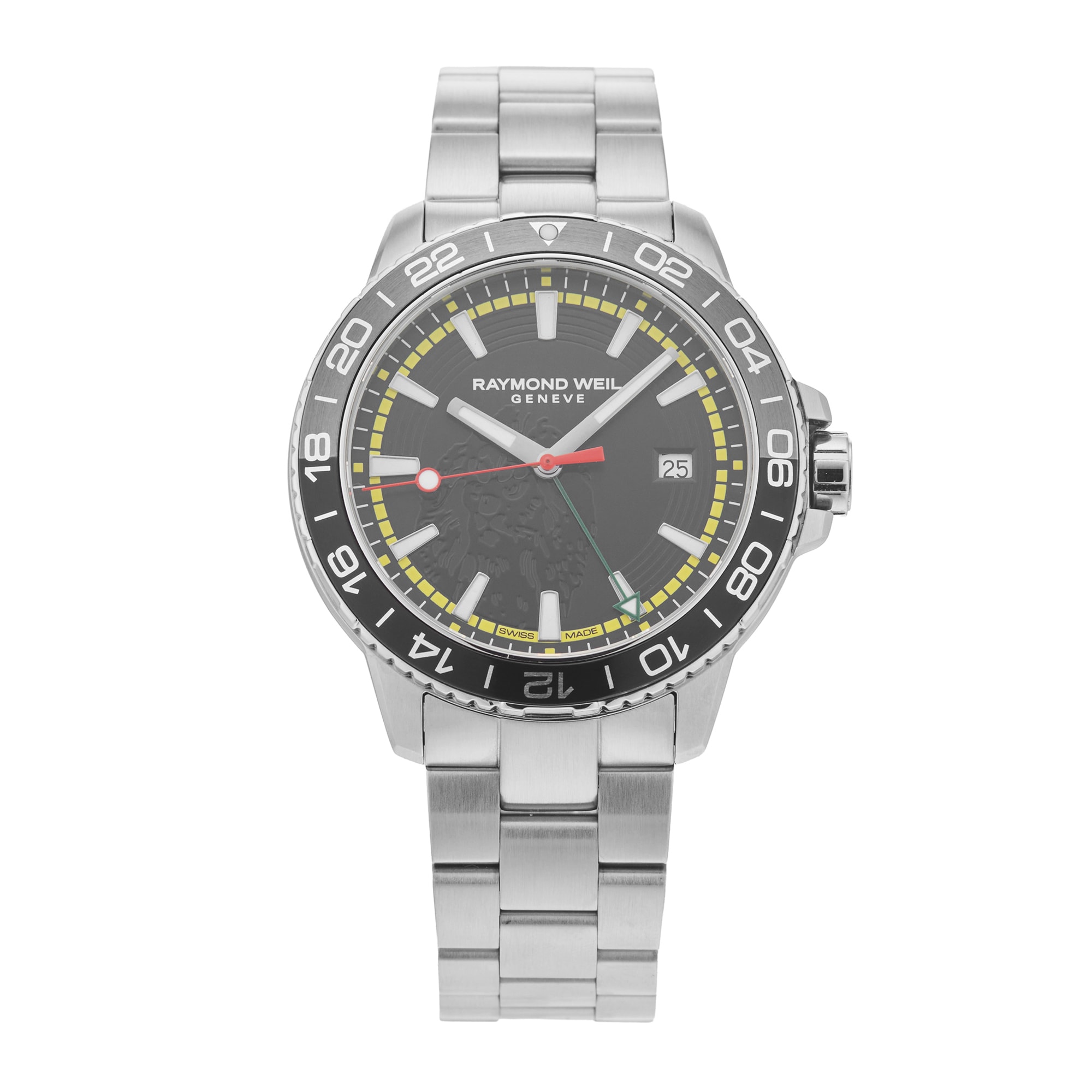

Across the major jewelry corridors of the United States—from Manhattan's 47th Street to Chicago's Jewelers Row and Los Angeles's Hill Street—the difference between a fair offer and a lowball bid can easily exceed 30 percent of a stone's value. The certified diamond buyers top cash payout in 2026 is no longer a matter of luck; it is a measurable outcome of preparation, certification fluency, and knowing exactly which showrooms operate on true wholesale spreads versus retail opportunism. This guide dissects the mechanics behind the highest legitimate payouts, with a particular focus on how watch inventory and diamond certification intersect in today's luxury marketplace. For exquisite artisan craftsmanship and certified stone settings, examine this handcrafted Certified Moissanite Baguette Cut H.
2026 Market Landscape: Why certified diamond buyers top cash payout Now Depends on Certification Fluency
Wholesale diamond premiums in 2026 have compressed noticeably compared to the 2021–2023 boom, with certified natural stones in the 1.00–2.00 carat range trading at spreads 8–14 percent tighter than two years ago. That compression means buyers who can present flawless GIA or IGI documentation consistently extract the top end of the cash payout range, while undocumented stones are discounted aggressively. The market has effectively bifurcated: certified inventory commands liquidity, and uncertified inventory commands suspicion.
Always begin any valuation conversation by confirming whether the buyer quotes against Rapaport wholesale sheets or against their own retail replacement matrix—the two produce wildly different offers for identical stones. Buyers who quote transparently against published wholesale benchmarks are almost always the ones paying at the top of the market, because their margin is built into volume rather than into information asymmetry.
Across premier jewelry districts and wholesale exchanges, storefront overhead directly affects the cash payout curve. A ground-floor retail showroom on a high-traffic corridor carries rent that must be recovered through either higher retail pricing or lower buyback offers. By contrast, second- and third-floor wholesale offices—the backbone of the Diamond District Block ecosystem—can sustain tighter spreads and still pay premium cash for certified goods. Understanding this geography is the first lever in maximizing your payout.
Independent gemological laboratories like GIA and IGI classify cut grade as the single greatest determinant of a certified stone's liquidity, and 2026 buyers have become ruthlessly precise about this variable. A triple-excellent GIA stone with no fluorescence will command a materially higher cash offer than a very-good cut with medium blue fluorescence, even when carat, color, and clarity are identical. The certification itself has become the negotiation instrument, and buyers who understand grading tolerances negotiate from strength. Serious sellers should review certified Watches showroom inventory to benchmark how top-tier houses present and price certified assets before entering any buyback negotiation.
4Cs, Sourcing & Pricing Benchmarks: The certified diamond buyers top cash payout Matrix for 2026
Data-driven sellers win negotiations. The table below reflects typical 2026 cash payout ranges (as a percentage of Rapaport wholesale) for GIA-certified round brilliants across common carat tiers, based on aggregated showroom offers in major U.S. corridors.
| Carat Tier | Color/Clarity Band | Cut Grade | Typical Cash Payout (% of Wholesale) | Top-Tier Payout (% of Wholesale) |
|---|---|---|---|---|
| 0.50–0.99 ct | G–H / VS2–SI1 | Excellent | 62–70% | 74–80% |
| 1.00–1.49 ct | F–G / VS1–VS2 | Excellent | 68–75% | 78–84% |
| 1.50–1.99 ct | E–F / VVS2–VS2 | Excellent | 72–78% | 82–88% |
| 2.00–2.99 ct | D–F / VVS1–VS1 | Excellent | 75–82% | 85–91% |
| 3.00+ ct | D–E / IF–VVS1 | Excellent | 78–85% | 88–94% |
Compare these payout bands against what retail jewelers charge for equivalent stones and the arbitrage becomes obvious: the same certified 1.50-carat G/VS2 that retails at $14,000–$17,000 may generate a top cash payout of $8,500–$10,200. Buyers who understand this spread negotiate with confidence and walk away from offers that fall below the 70th percentile of wholesale.
Metallurgical and setting context matters enormously for finished jewelry. Compared to machine-pressed gold settings, hand-fabricated platinum mounts provide superior stone security and typically add 5–9 percent to a buyer's offer because the metal itself retains near-full scrap value and the craftsmanship signals provenance. Always separate the stone's value from the setting's value during negotiation—bundling them is a classic tactic used to obscure lowball stone offers.
Geographic sourcing realities also shape payouts. Stones sourced from established wholesale exchanges with documented provenance command higher offers than estate pieces with unclear chains of custody, even when the 4Cs are identical. Buyers in 2026 increasingly request provenance documentation, and sellers who can provide original invoices or appraisal histories consistently land in the top payout tier. To understand how premier houses structure their certified inventory and pricing logic, explore our curated Watches collection and observe how certification, condition, and provenance are presented side by side.
Cut Grade Tolerances and Their Cash Impact
Independent laboratories grade cut on a five-point scale, and the cash impact of each grade step is steeper than most sellers realize. The table below illustrates approximate payout deltas for a 1.50-carat G/VS2 round brilliant.
| Cut Grade | Table % | Pavilion Depth % | Approx. Payout Delta vs. Excellent |
|---|---|---|---|
| Excellent | 53–58 | 42.5–43.5 | Baseline (0%) |
| Very Good | 58–60 | 43.5–44.5 | ?6% to ?9% |
| Good | 60–62 | 44.5–45.5 | ?12% to ?18% |
| Fair / Poor | >62 | >45.5 | ?22% to ?35% |
Always inspect the pavilion depth and table percentage under a 10x loupe before accepting any offer, and cross-reference those measurements against the certificate's stated tolerances. A stone graded Excellent that measures outside tolerance on the certificate is a red flag for either misgrading or certificate tampering—both of which justify walking away.
Premier Showroom Selection & Merchant Vetting for certified diamond buyers top cash payout
Showroom selection is where most sellers leave money on the table. The highest cash payouts in 2026 consistently come from established wholesale offices with verifiable gemological credentials, transparent pricing methodologies, and a documented buyback history—not from pop-up "we buy gold" storefronts that quote aggressively and then discount at the counter.
Vet every buyer against four criteria before presenting a stone: (1) verifiable GIA/IGI accreditation or membership in a recognized trade body; (2) willingness to quote against published wholesale benchmarks in writing; (3) a physical showroom with a bench and loupe station, not just a desk; and (4) a clear, written buyback or consignment policy. Buyers who fail any of these criteria should be excluded from your shortlist regardless of their initial quote.
Across the Diamond District corridors, the vetting process itself has become more formalized. Reputable merchants now provide a verified Watches valuation report alongside their offer, documenting the basis for their pricing and giving sellers a defensible record for insurance and tax purposes. Demand this documentation as a condition of any transaction above $5,000.
Negotiation protocols matter as much as vetting. Never accept a first offer; the initial quote is almost always anchored 10–15 percent below the buyer's actual ceiling. Present competing offers from at least three vetted buyers, and be prepared to walk away—the credible threat of walking is the single most effective negotiation lever in the certified diamond market.
• Red flag: A buyer who insists on examining the stone in a back room without you present.
• Red flag: Offers that bundle stone, setting, and metal into a single lump sum.
• Red flag: No written quote, no certificate verification, no bench on premises.
• Tip: Always request the buyer's GIA/IGI lookup on the spot and watch them verify the laser inscription.
• Tip: Bring your original certificate and a