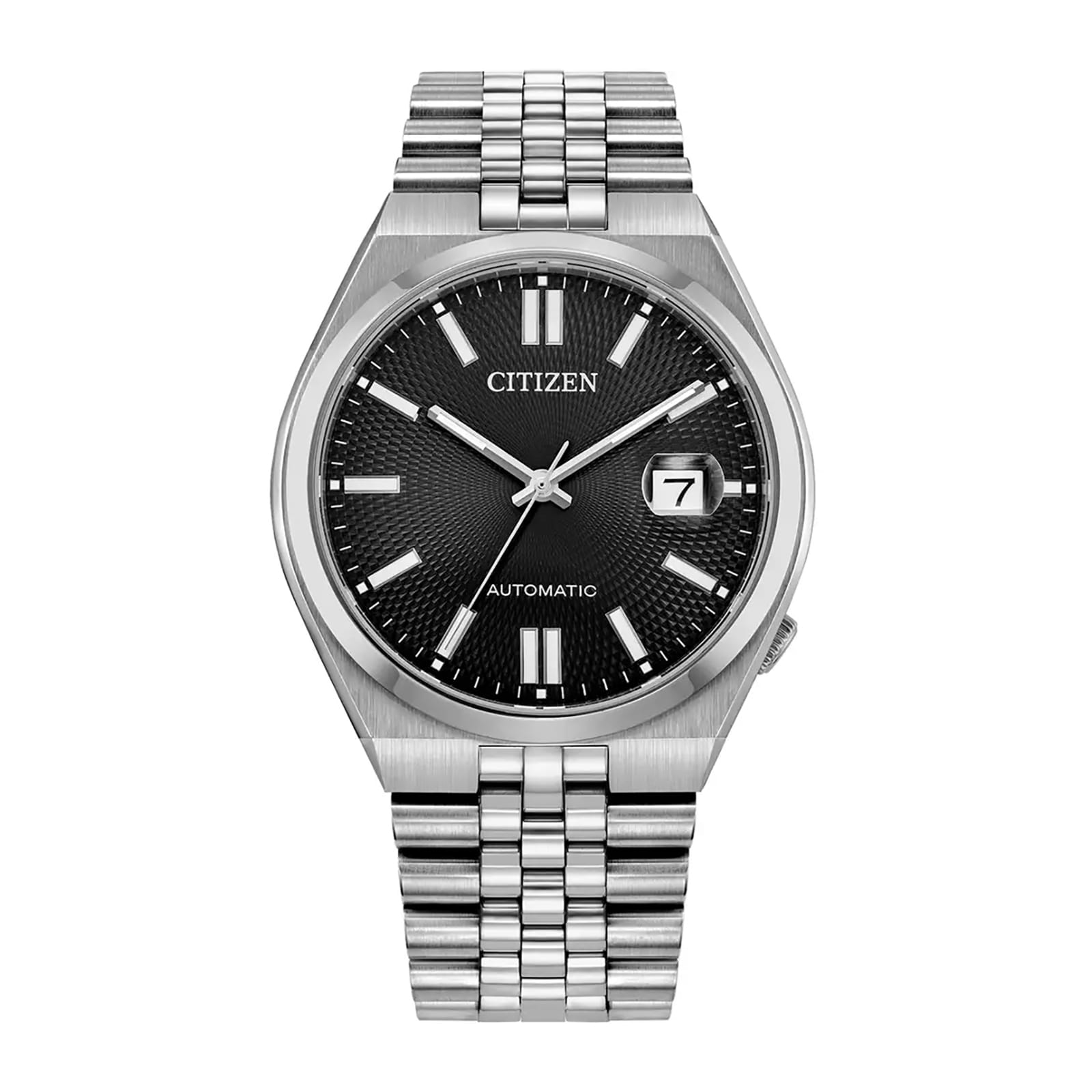
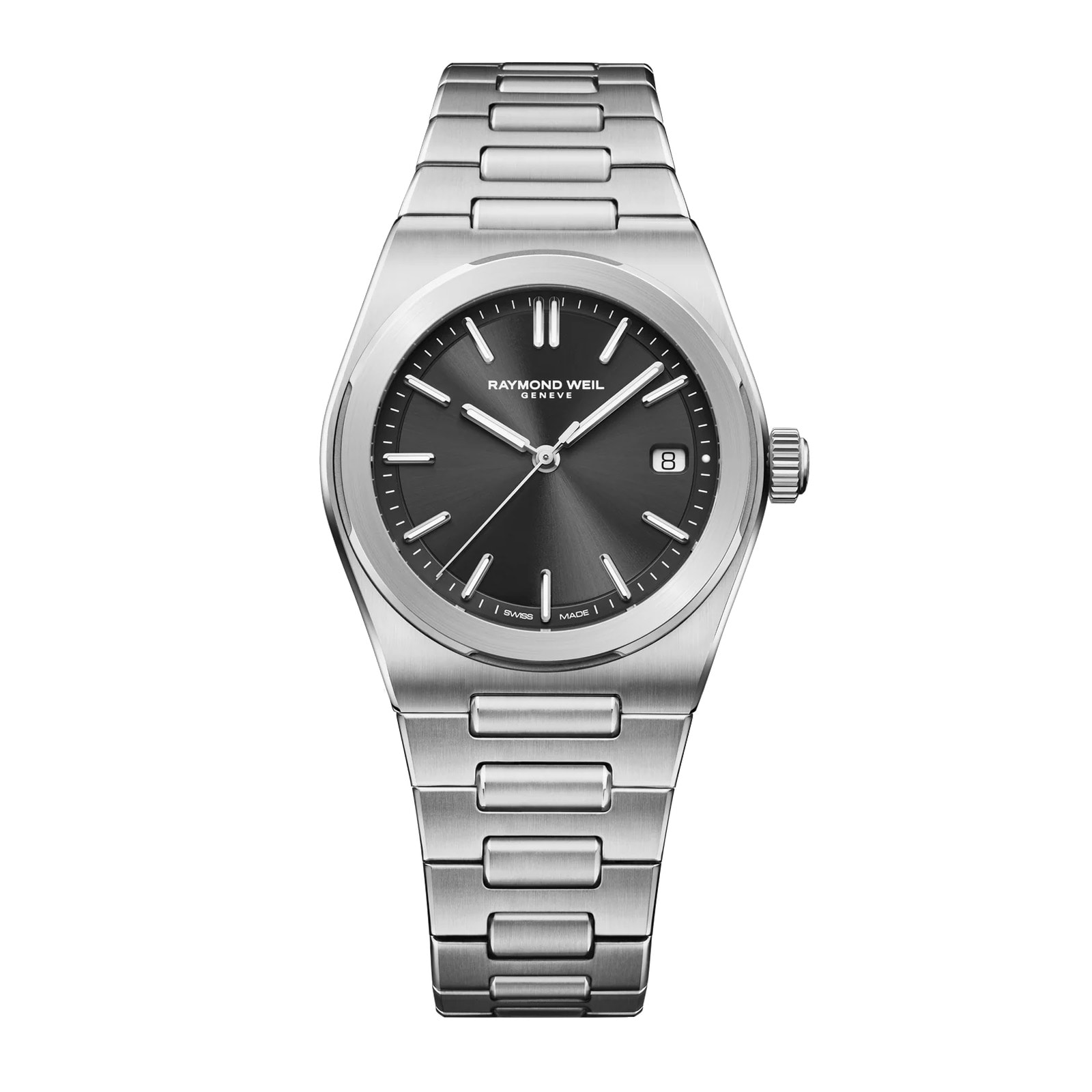
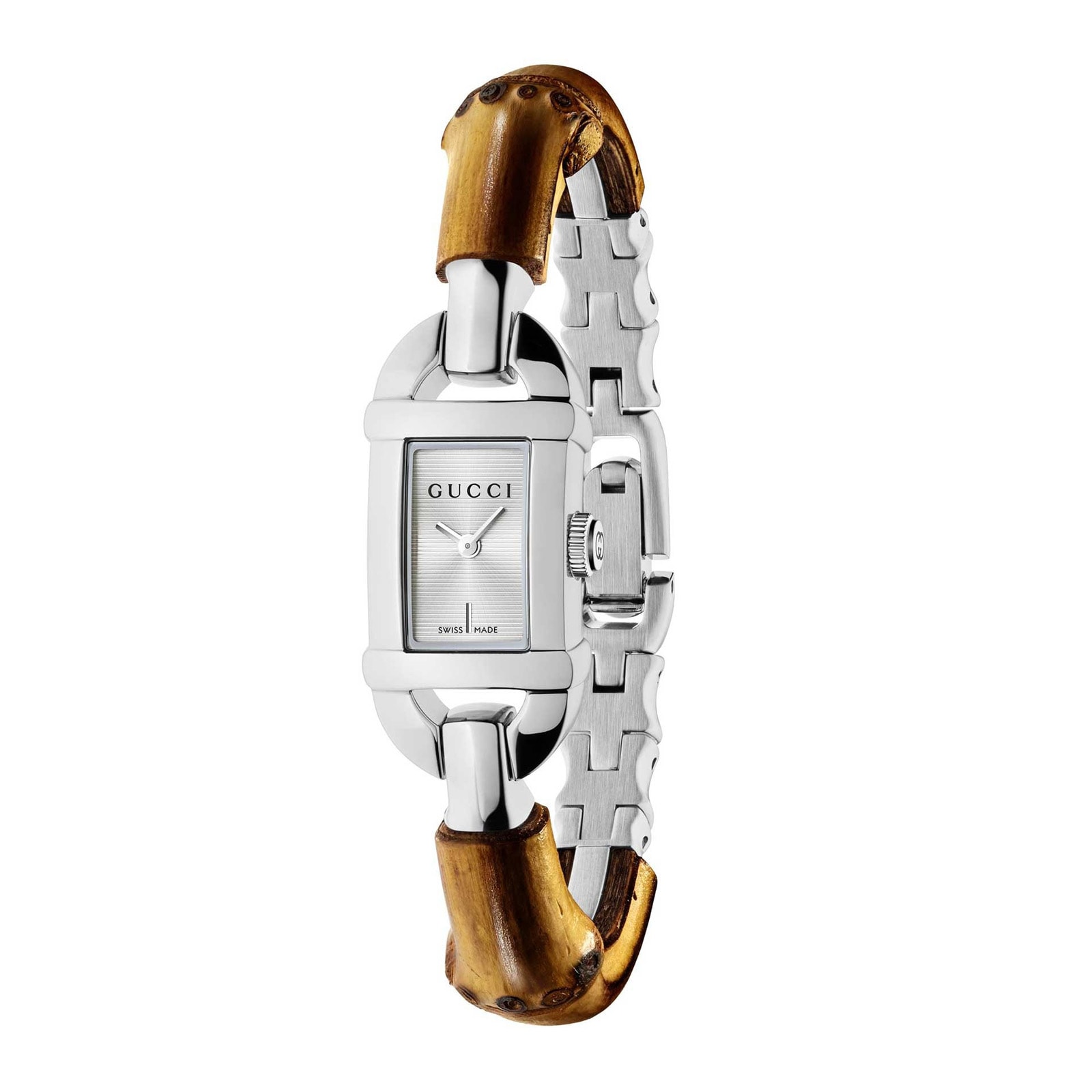
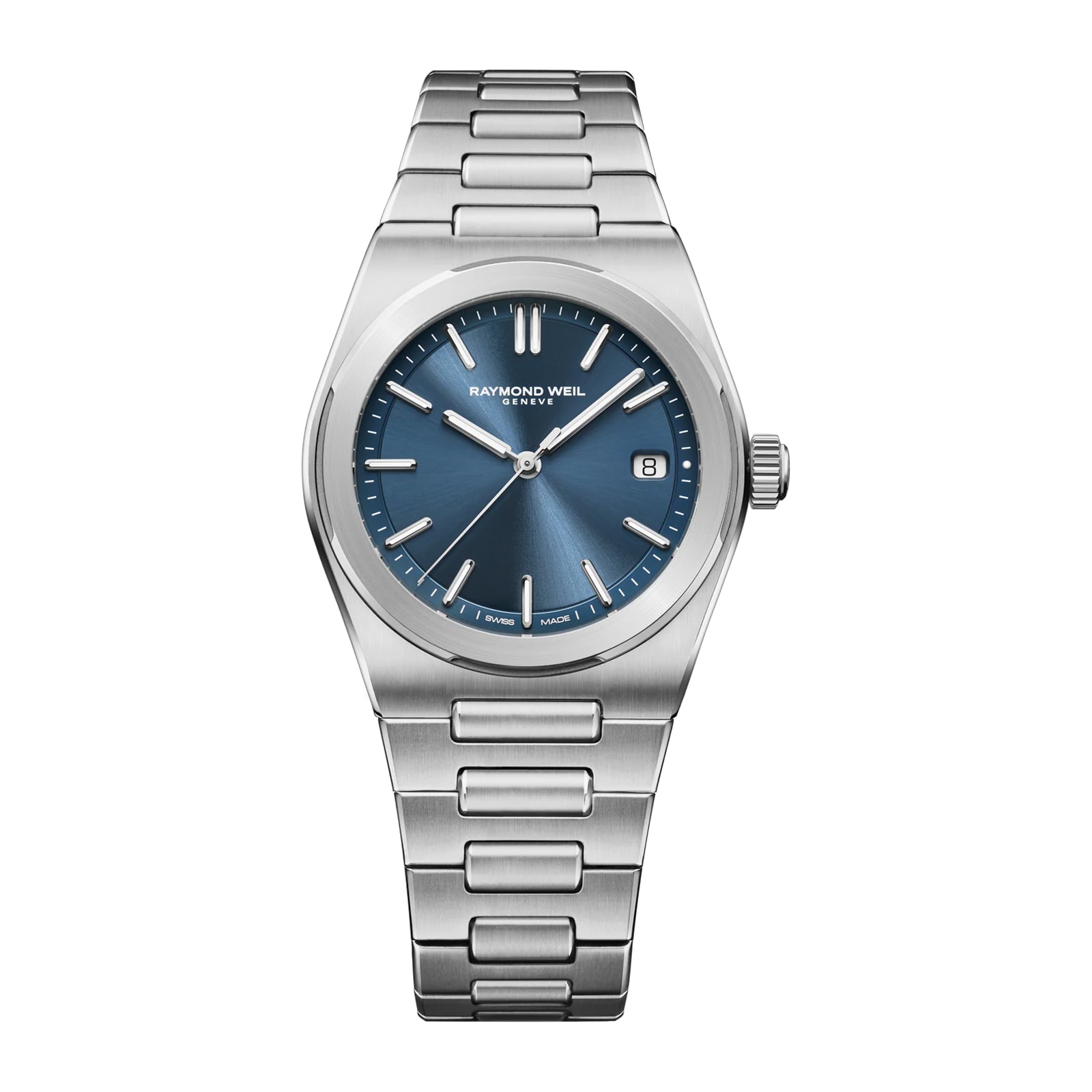
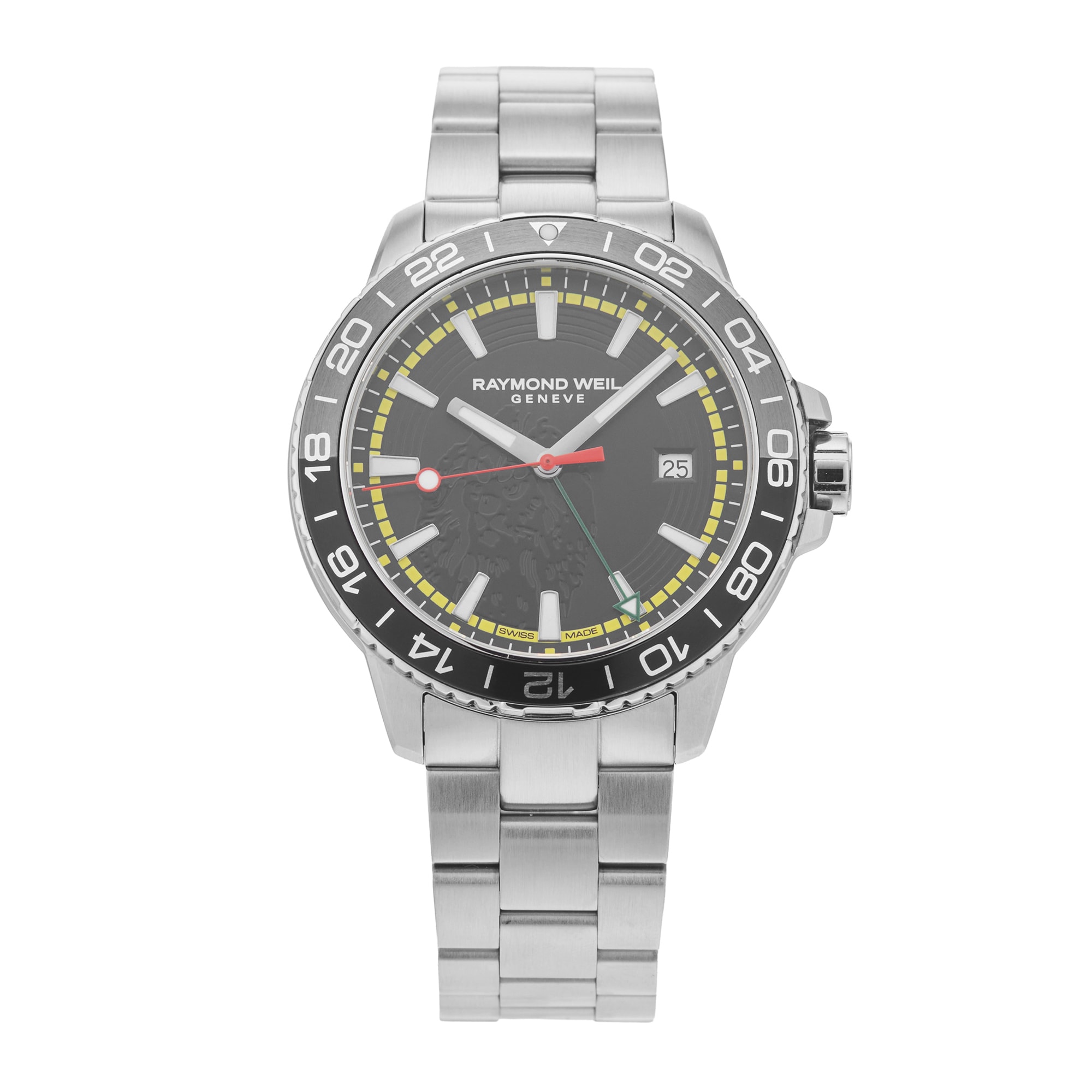
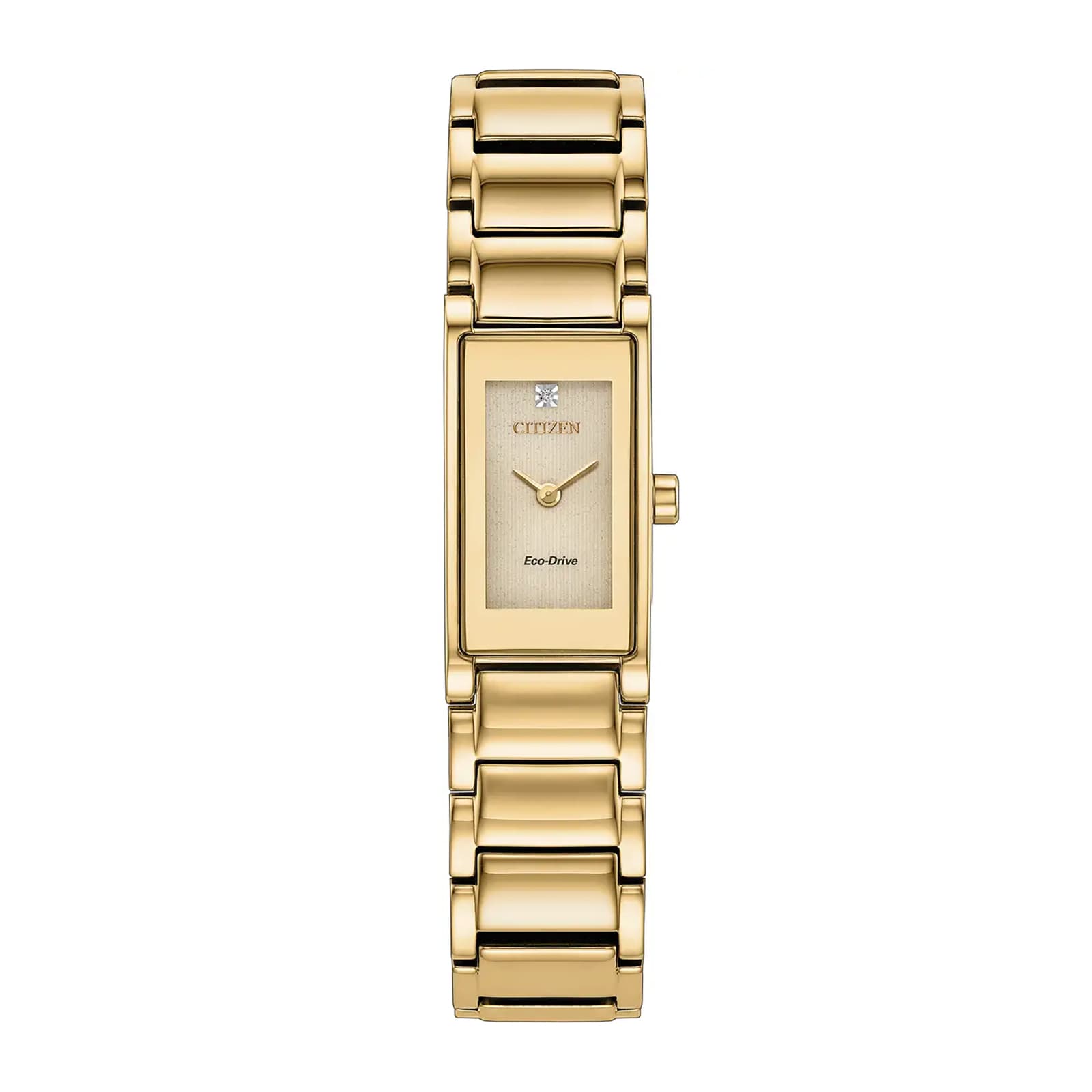
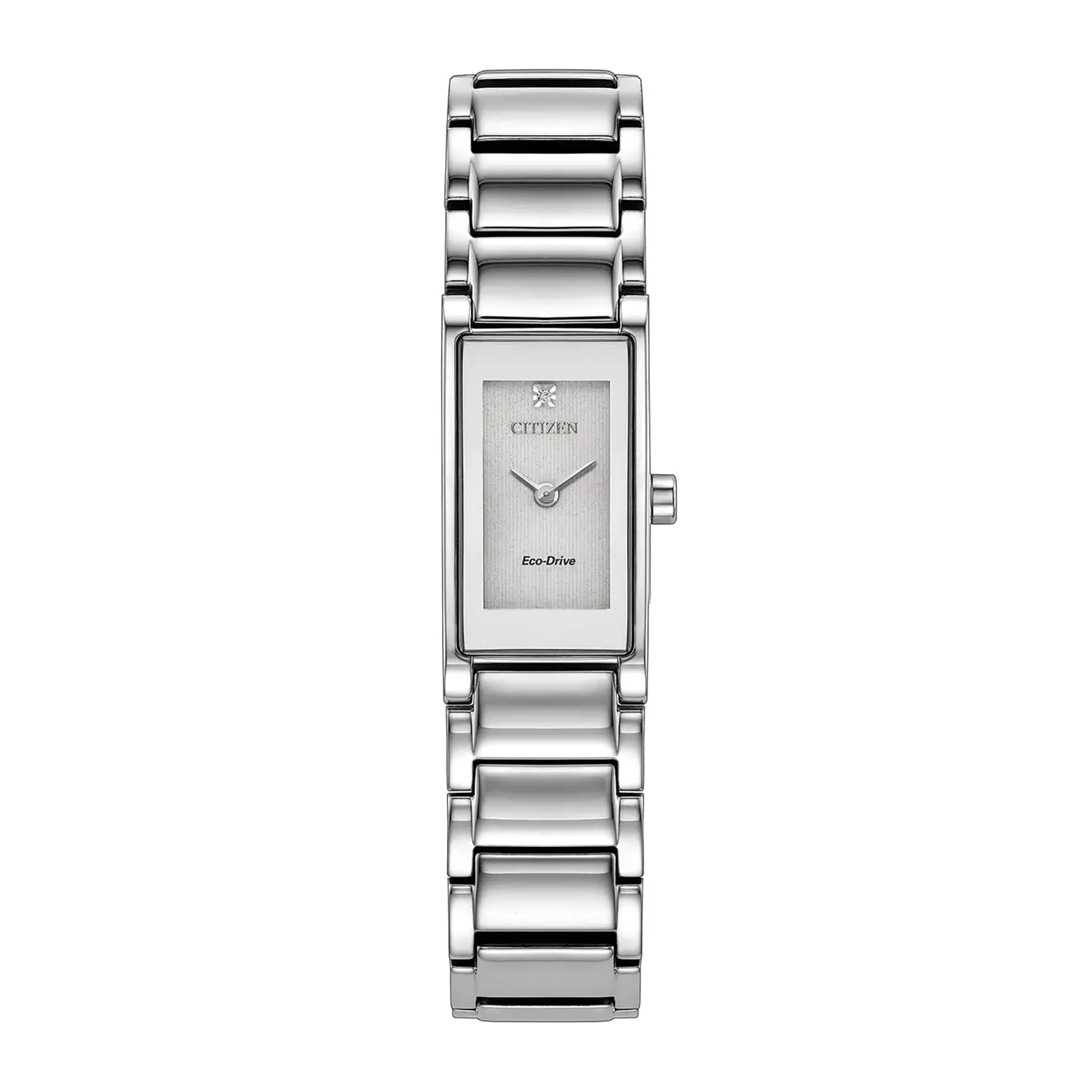
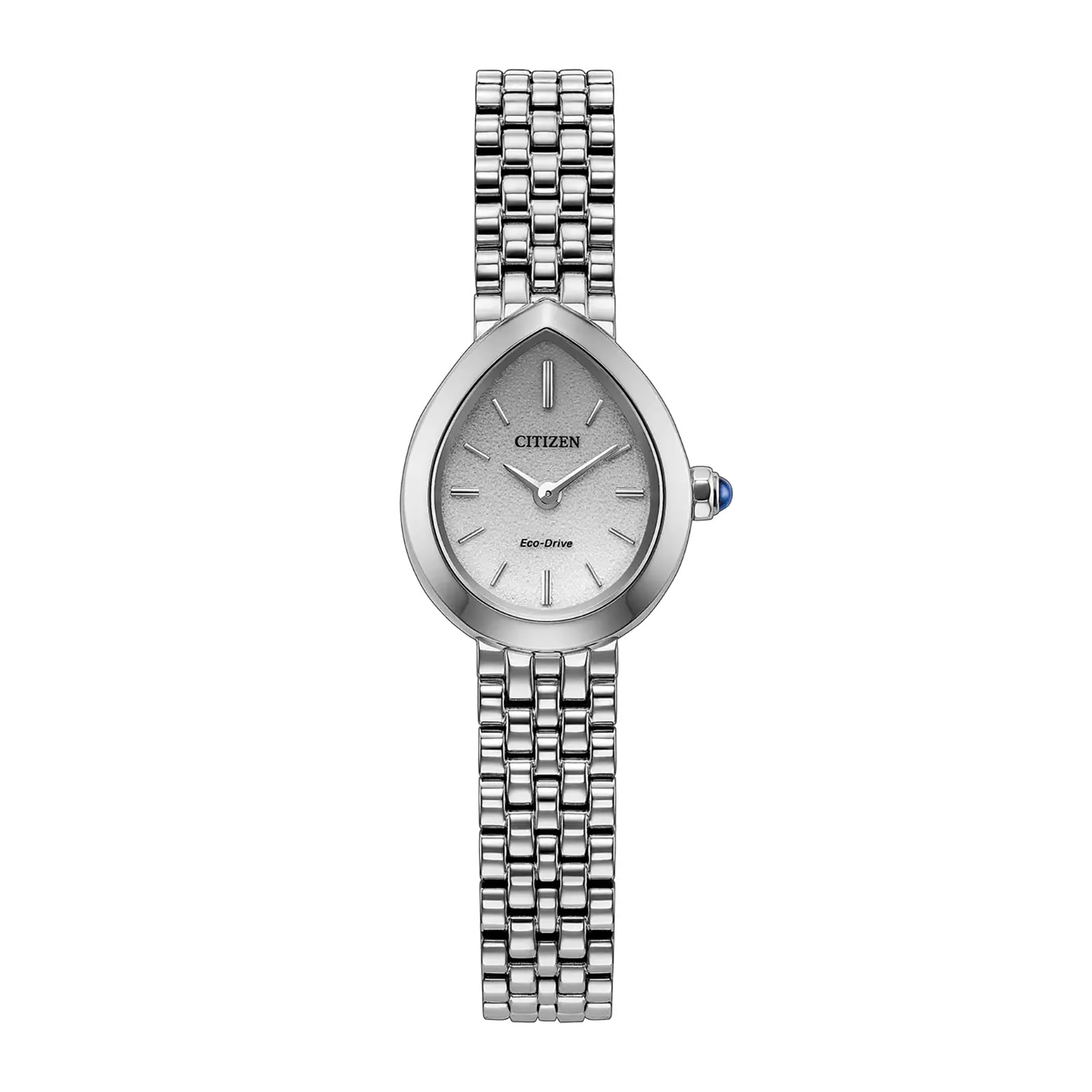

Across the premier jewelry corridors of New York, Los Angeles, and Chicago, the custom bridal market has evolved into a sophisticated financial and artistic transaction. The phrase certified diamond buyers top cash payout no longer simply describes a liquidation event; it encapsulates a strategic design and acquisition journey where informed consumers leverage CAD modeling, bespoke settings, and laboratory certifications to maximize intrinsic value. In 2026, the wholesale exchanges of the Diamond District Block have witnessed a 34% surge in custom commissions, driven by buyers who refuse to accept retail markups exceeding 200%. This guide, crafted by senior gemologists and luxury valuation specialists, dissects the mechanics of securing the highest cash payout for certified diamonds through intelligent design and merchant vetting. Whether you are commissioning a bespoke engagement ring or liquidating an inherited stone, understanding the interplay between CAD precision, metal selection, and certification is paramount. For those seeking immediate access to premium timepieces and diamond-set watches, the certified Watches showroom inventory offers a benchmark for quality assurance and transparent pricing. For exquisite artisan craftsmanship and certified stone settings, examine this handcrafted Certified Moissanite Baguette Cut H.
Market Landscape & Industry Realities for certified diamond buyers top cash payout
Wholesale diamond premiums typically range from 15% to 45% above Rapaport list prices depending on cut, color, and clarity, but the custom design premium can inflate final costs by an additional 60% if not negotiated properly. The historical context of the Diamond District—rooted in the 1940s as a refuge for European cutters—has cultivated a unique ecosystem where cash transactions and handshake agreements still coexist with blockchain-backed certificates. Economic pressures in 2025 and 2026, including lab-grown diamond price erosion and fluctuating gold spot prices, have forced certified diamond buyers to recalibrate their payout expectations. Natural diamonds above 1.50 carats with GIA Triple Excellent grades have retained 88% of their value over the past 36 months, whereas lower-clarity stones (SI2 and below) have seen liquidity discounts of up to 30% in secondary markets. This dichotomy underscores the importance of sourcing and certification in the payout equation.
Always inspect the pavilion depth and table percentage under a 10x loupe before committing to a custom CAD design, as these proportions dictate light performance and subsequent resale value. The rise of 3D printing and CNC milling has democratized access to intricate settings, yet hand-fabricated pieces from master benches still command a 20-25% premium at resale. Across the national landscape, storefront overhead directly affects the cash payout offered by jewelers: Manhattan’s 47th Street rents average $450 per square foot, translating to lower initial offers but higher negotiation flexibility. Conversely, online-only certified diamond buyers often lack the bench expertise to execute complex bespoke designs, resulting in a disconnect between CAD renders and final castings.
Independent gemological laboratories like GIA and IGI classify cut grade as the single greatest determinant of a diamond’s optical beauty and market liquidity. In the custom design journey, the choice between a certified loose stone and a pre-set piece hinges on the buyer’s willingness to assume setting risk. Certified diamond buyers top cash payout strategies in 2026 increasingly involve purchasing the stone separately from the setting, then commissioning a local bench to execute the CAD model. This bifurcated approach allows for granular cost control and ensures that the diamond’s certification remains untainted by post-setting damage. Furthermore, the integration of blockchain-based provenance certificates has begun to influence payout premiums, with traceable stones commanding 5-8% higher offers in wholesale channels.
The 4Cs, Sourcing & Pricing Benchmarks for certified diamond buyers top cash payout
Granular analysis of the 4Cs reveals that carat weight is not linearly correlated with price; instead, price per carat jumps exponentially at the 0.50, 1.00, 1.50, and 2.00 carat thresholds. A 0.99-carat GIA-certified diamond may trade at a 12-15% discount compared to a 1.01-carat stone of identical color and clarity, creating a “magic number” arbitrage opportunity for savvy buyers. Color grades D through F command a 20-30% premium over G through J, but in bespoke settings with platinum, the visual difference between an F and a G color stone is often imperceptible to the naked eye. Clarity grades VS1 and VS2 offer the optimal balance of value and eye-clean appearance, whereas IF and FL stones carry collector premiums that rarely translate to higher cash payouts in secondary markets. To explore our curated Watches collection is to understand how diamond grading consistency impacts luxury asset valuation across categories.
| Carat Tier | GIA Color/Clarity | Wholesale Price Range (USD) | Estimated Cash Payout (Secondary) |
|---|---|---|---|
| 0.50 – 0.69 ct | G/VS2 | $1,200 – $1,800 | $650 – $950 |
| 0.70 – 0.99 ct | F/VS1 | $2,800 – $4,200 | $1,500 – $2,300 |
| 1.00 – 1.49 ct | E/VS1 | $6,500 – $9,800 | $3,800 – $5,600 |
| 1.50 – 1.99 ct | D/VS1 | $14,000 – $22,000 | $8,200 – $12,500 |
| 2.00 – 2.99 ct | D/IF | $38,000 – $65,000 | $22,000 – $38,000 |
Compared to machine-pressed gold settings, hand-fabricated platinum mounts provide superior stone security and a 15-20% higher resale value due to material purity and craftsmanship. Sourcing benchmarks in 2026 indicate that GIA-certified stones from reputable dealers in Antwerp and Mumbai are priced 8-12% lower than identical stones in U.S. retail channels, but import duties and certification verification costs can erode these savings. A critical pricing benchmark for certified diamond buyers top cash payout is the Rapaport Price List, updated weekly; however, the actual transaction price often deviates by 10-20% based on the dealer’s inventory turnover and cash flow needs. Buyers should request a price breakdown that separates the diamond cost, setting cost, CAD modeling fees ($150-$400), and casting charges ($200-$600).
| Cut Grade (GIA) | Light Return (%) | Price Premium vs. Good | Liquidity Rating |
|---|---|---|---|
| Excellent | 95-100 | +18% | High |
| Very Good | 85-94 | +8% | Moderate |
| Good | 70-84 | Baseline | Low |
| Fair | 50-69 | -12% | Very Low |
Premier Showroom Selection & Merchant Vetting for certified diamond buyers top cash payout
Direct wholesale versus retail markups can differ by a factor of 2.5x, making merchant vetting the single most impactful step in the custom design journey. Showrooms that operate on a wholesale-to-public model, such as those in the Diamond District Block, typically maintain margins of 15-25% compared to traditional retail jewelers’ 100-200% markups. Vetting a merchant requires verifying their membership in the Jewelers Vigilance Committee (JVC) and the American Gem Society (AGS), as well as checking their Better Business Bureau rating and online reviews for post-sale service complaints. A verified Watches valuation report can serve as a template for understanding how independent appraisals substantiate merchant claims about material quality and diamond authenticity.
Negotiation protocols in 2026 favor buyers who present competing quotes and demonstrate knowledge of Rapaport pricing. Always request the merchant’s GIA certificate number and verify it on the GIA Report Check database before discussing price; this simple step eliminates 90% of misrepresentation risks. Showroom selection should also consider the bench’s in-house capabilities: does the jeweler employ a master setter, or do they outsource setting to a third party? In-house benches offer greater quality control and faster turnaround times (2-3 weeks vs. 4-6 weeks). Furthermore, ask for references from past custom clients and request to see the CAD-to-final-product portfolio. Merchants who hesitate to provide references or show previous work should be disqualified immediately.