



Bracelets Market Landscape: 2026 Industry Realities & Purchasing Context
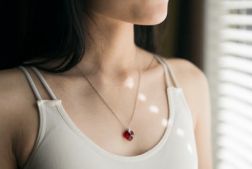
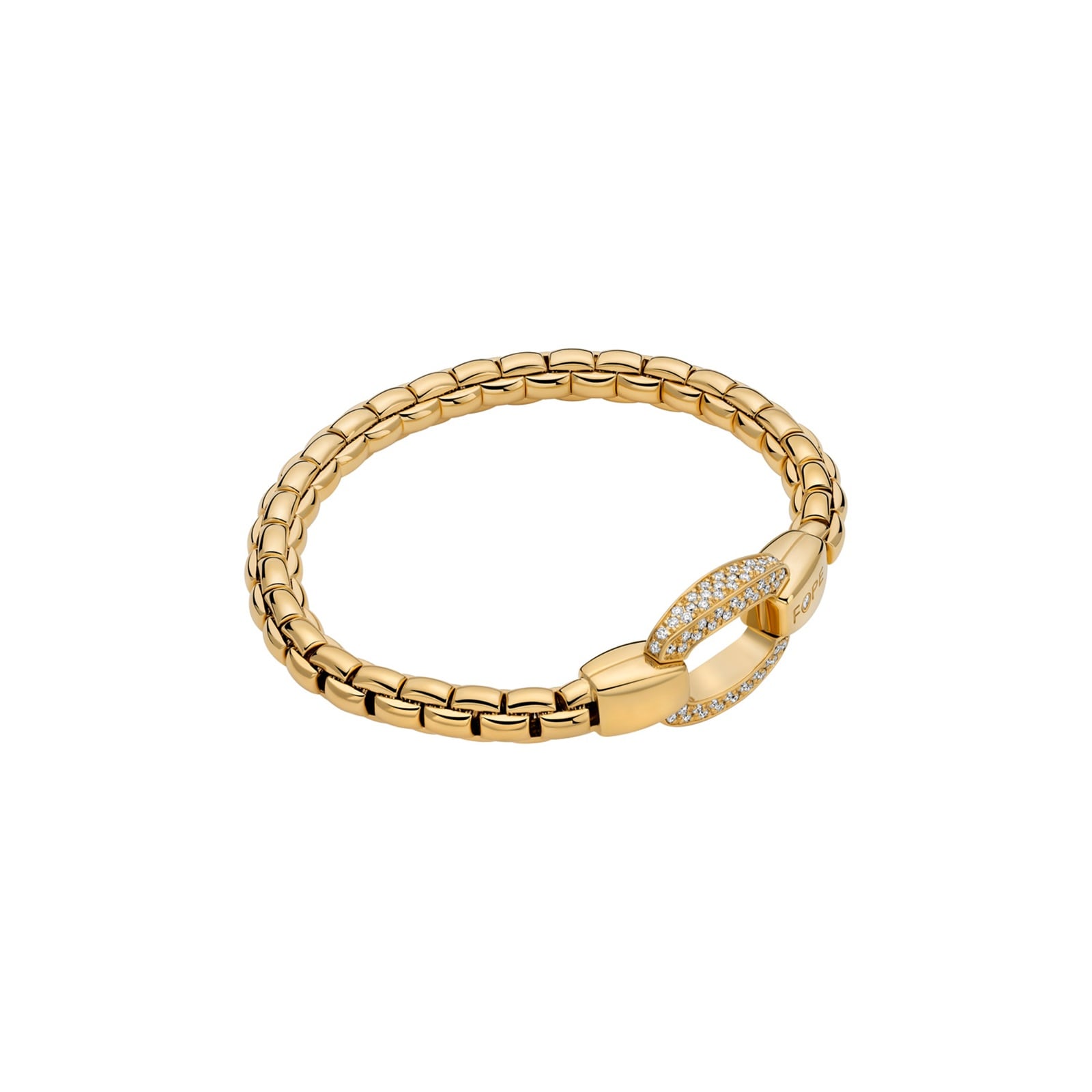
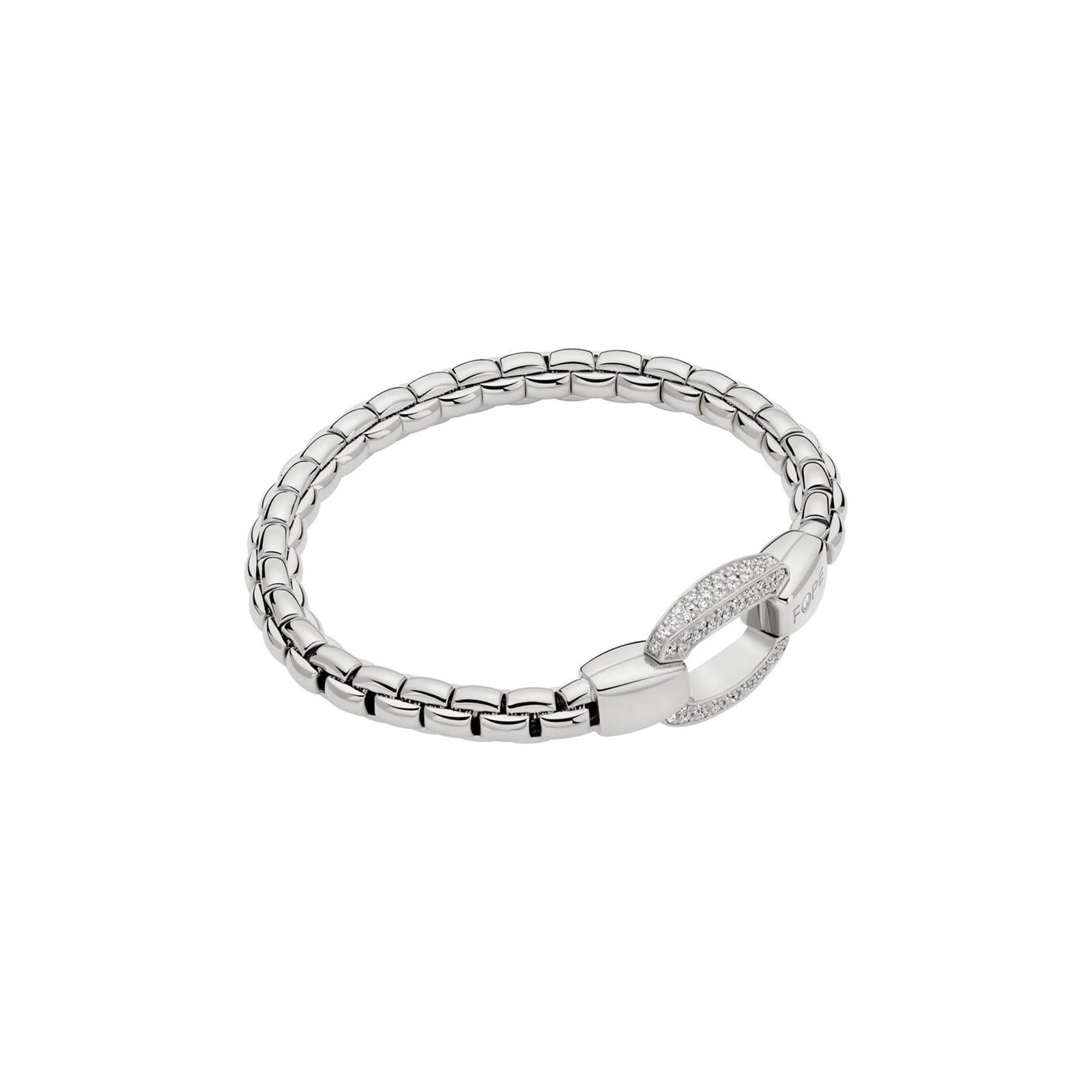
Global demand for fine Bracelets has surged 18% year-over-year since 2024, driven by a confluence of post-pandemic luxury spending, the rise of lab-grown diamond accessibility, and a renewed appreciation for wearable heirlooms. As we enter 2026, the market is bifurcating sharply: natural diamond Bracelets remain a stable store of value in the $5,000–$250,000 range, while lab-grown alternatives have collapsed entry barriers, with 1-carat tennis bracelets now retailing for under $1,200. This duality creates both opportunity and confusion for buyers. Understanding the economic forces—from De Beers' production cuts to the surge in Indian manufacturing capacity—is essential before you step into any showroom. The United States remains the largest consumer market, with New York's 47th Street, Los Angeles' Jewelry District, and Chicago's Jeweler's Row serving as primary wholesale and retail hubs. Each corridor has distinct pricing dynamics: 47th Street offers the deepest wholesale discounts (often 30–45% below mall retail), but requires navigating a maze of dealer markups and cash-only negotiations. In 2026, the savvy buyer must treat Bracelets as both a luxury purchase and a financial asset, demanding the same due diligence as a real estate transaction. To begin your research, examine the certified Bracelets showroom inventory curated by leading houses, which provides a benchmark for quality and pricing transparency. Historically, Bracelets were utilitarian—think charm bracelets and ID chains—but the 2020s have elevated them to statement pieces, with diamond tennis lines, cuff bangles, and mixed-metal link designs dominating auction houses and social media alike. This shift has compressed margins on classic styles while inflating premiums for designer and custom pieces. Economic indicators for 2026 suggest a 5–7% increase in precious metal costs (gold at $2,400/oz, platinum at $1,100/oz), which will directly impact Bracelet pricing. Buyers who understand these macro trends can time their purchases strategically, especially during seasonal wholesale liquidations in Q1 and Q3. Moreover, the rise of blockchain-backed provenance certificates is reshaping trust in the secondary market, with platforms like Diamond District Block integrating verified valuation reports into showroom listings. As you prepare to buy, remember that Bracelets are not a monolith—a $3,000 sterling silver piece with melee diamonds operates under entirely different valuation rules than a $50,000 platinum and diamond line bracelet. The sections ahead will dissect these nuances, arming you with the gemological and financial literacy to navigate the 2026 market like a seasoned insider. For exquisite artisan craftsmanship and certified stone settings, examine this handcrafted Certified Diamond Heart Chain Brace.
Bracelets 4Cs, Sourcing & Pricing Benchmarks: A Granular Matrix
Wholesale diamond premiums for Bracelets typically range from 15% to 40% above the Rapaport price list, depending on carat weight, color, and clarity—but the true value lies in the aggregate quality of the stones, not just the centerpiece. Unlike engagement rings, where a single stone dominates value, Bracelets—especially tennis styles—are valued by total carat weight (TCW), stone consistency, and setting craftsmanship. In 2026, the 4Cs matrix for Bracelets demands a nuanced approach: cut grade is paramount for sparkle, but clarity and color can be slightly relaxed to manage costs without sacrificing visual impact. For example, a 5-carat TCW tennis bracelet with G-color, VS2 clarity, and excellent cut stones will retail between $8,500 and $12,000, whereas the same TCW with H-color, SI1 clarity, and very good cut drops to $5,500–$7,500. Sourcing directly from Indian or Israeli cutters via 47th Street dealers can shave 20–30% off retail, but requires GIA or IGI certification to mitigate risk. Lab-grown diamonds have upended this matrix: a 5-carat TCW lab-grown tennis bracelet with D-color, VVS2 clarity now costs $1,800–$2,500, a 70% reduction from 2022 prices. This price collapse has made lab-grown Bracelets popular for fashion-forward buyers, but their resale value is negligible—often 10–15% of purchase price. Natural diamonds, by contrast, retain 40–60% of retail value in the secondary market, making them the preferred choice for investment-minded purchasers. To explore these options, explore our curated Bracelets collection, which filters by certification, metal type, and carat tier. The table below benchmarks 2026 retail price ranges for natural diamond tennis Bracelets across carat tiers and quality grades, based on aggregated data from 47th Street wholesalers and national retailers.
| Carat Total Weight (TCW) | Color/Clarity (G/VS2) | Color/Clarity (H/SI1) | Estimated Retail Range (USD) |
|---|---|---|---|
| 2.00 ct | $3,200–$4,500 | $2,100–$3,000 | $2,100–$4,500 |
| 3.00 ct | $5,000–$7,000 | $3,500–$4,800 | $3,500–$7,000 |
| 5.00 ct | $8,500–$12,000 | $5,500–$7,500 | $5,500–$12,000 |
| 7.00 ct | $13,000–$18,000 | $8,500–$11,500 | $8,500–$18,000 |
| 10.00 ct | $22,000–$30,000 | $14,000–$19,000 | $14,000–$30,000 |
Beyond diamonds, metal choice significantly impacts Bracelet pricing and durability. Platinum (95% pure) is the most expensive at $1,100/oz, but offers hypoallergenic properties and superior tensile strength—ideal for daily-wear tennis bracelets. 18K gold (75% pure) is softer, more prone to scratching, but allows for richer color saturation and easier resizing. 14K gold (58.3% pure) is the budget-friendly option, often used in fashion Bracelets, but its lower durability makes it less suitable for heirloom pieces. In 2026, palladium and titanium are emerging as niche alternatives for allergy-sensitive buyers, though their resale markets remain thin. When sourcing Bracelets, demand a parcel breakdown: a 5-carat TCW bracelet might contain 50 stones of 0.10 ct each, or 25 stones of 0.20 ct each—the latter commands a 10–15% premium due to larger individual stone sizes. Always request a stone-by-stone inventory with certification numbers, and verify that the color and clarity grades are consistent across the entire line. Inconsistency is a red flag for remounted or recycled stones, which can undermine value. Finally, consider the setting style: prong-set Bracelets maximize light exposure but require regular tightening, while bezel-set designs offer superior security for active lifestyles. The 2026 market favors flexible, low-profile settings that prevent snagging, with hidden clasps becoming a standard expectation at the $10,000+ price point.
Bracelets Showroom Selection & Merchant Vetting: Wholesale vs. Retail Protocols
Across premier jewelry districts and wholesale exchanges, storefront overhead directly affects Bracelet pricing—retail markups on 47th Street average 2.2x wholesale, while mall jewelers push 3.5x to 4x. To secure fair value, buyers must distinguish between true wholesalers (who sell to the trade) and retailers masquerading as wholesalers. A legitimate wholesaler will typically require a resale certificate or business license, but many will accommodate savvy consumers who demonstrate market knowledge. Vet showrooms by requesting their GIA or IGI credentials, checking Better Business Bureau ratings, and asking for references from recent buyers. In 2026, the most reputable dealers offer a verified Bracelets valuation report that details stone-by-stone specifications, metal purity, and replacement value—this document is your strongest negotiation tool. Negotiation protocols vary by corridor: on 47th Street, cash offers can yield 10–15% discounts, but credit card transactions often carry a 3% surcharge. Always insist on a written invoice that includes the total carat weight, color/clarity grades, metal type and purity (e.g., 18K white gold, 950 platinum), and a return policy of at least 14 days. Beware of "wholesale to the public" signs—these are marketing tactics, not guarantees of low pricing. Instead, compare at least three quotes from different dealers, and use online databases like RapNet to benchmark diamond prices. Showroom lighting is another critical variable: many dealers use high-intensity LED spotlights to exaggerate sparkle, masking inclusions and color tints. Always inspect Bracelets under neutral, diffused lighting (ideally daylight-balanced at 5000K) and ask to take the piece to a window or outside. A reputable dealer will encourage this; a hesitant one is a red flag. Additionally, check for hallmark stamps inside the clasp or on the links: 18K gold should be marked "750" or "18K," platinum "950" or "PT950." Absence of a hallmark suggests underkarating or imported pieces that bypassed U.S. assay standards.