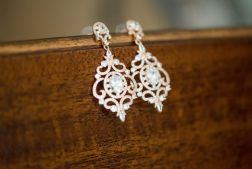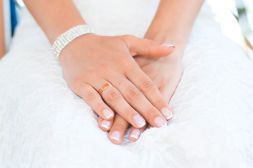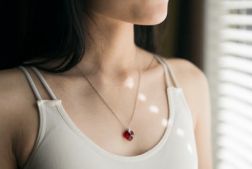
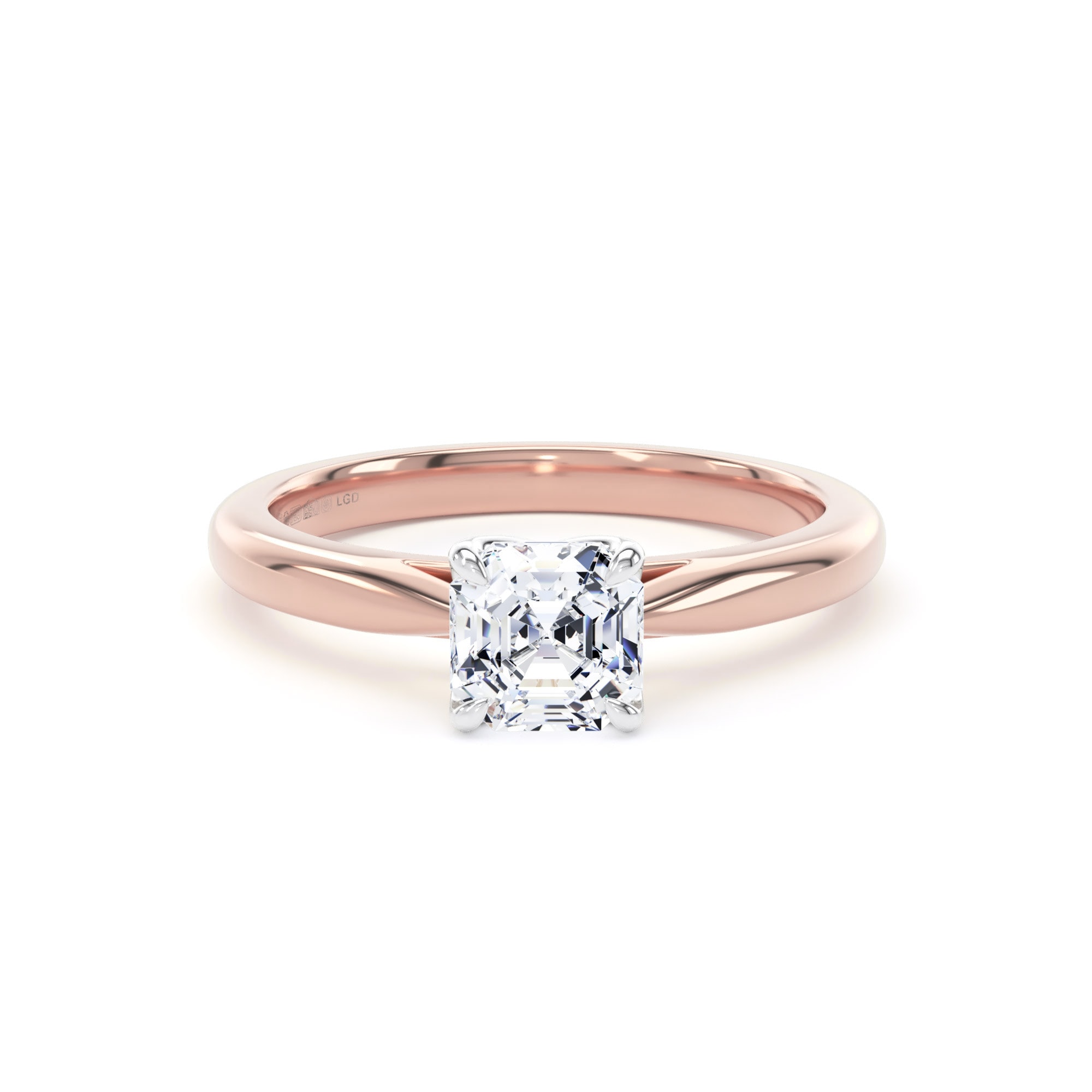
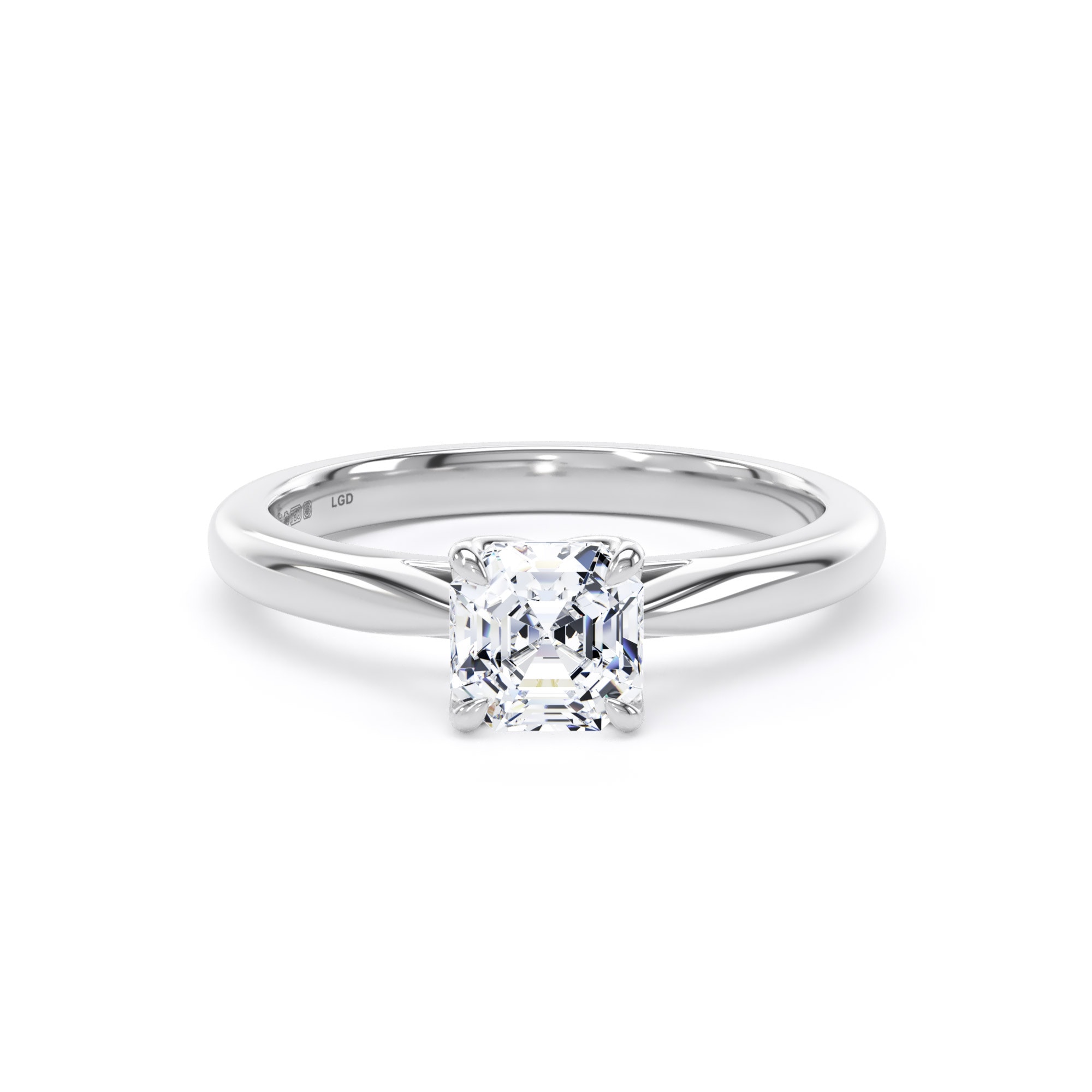
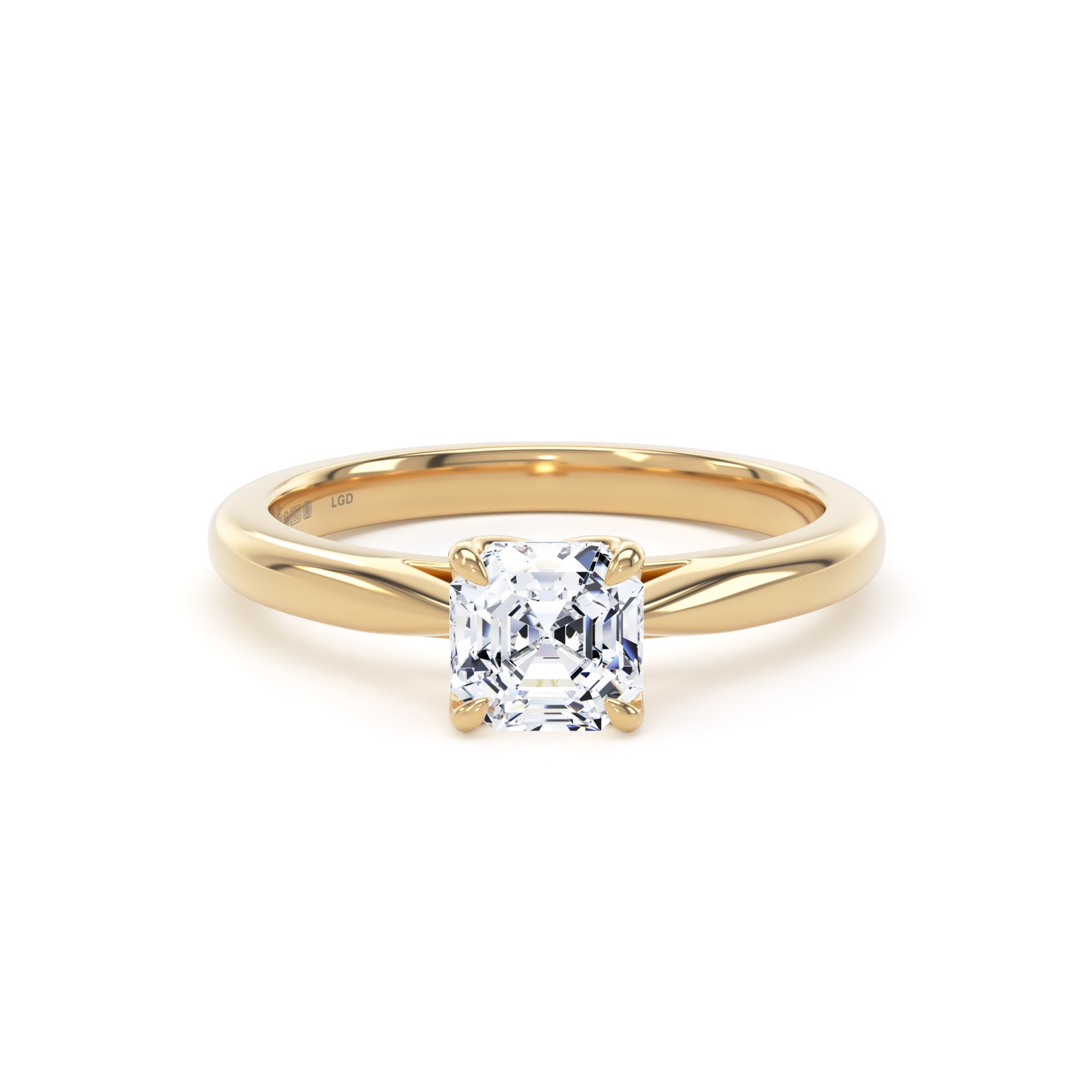
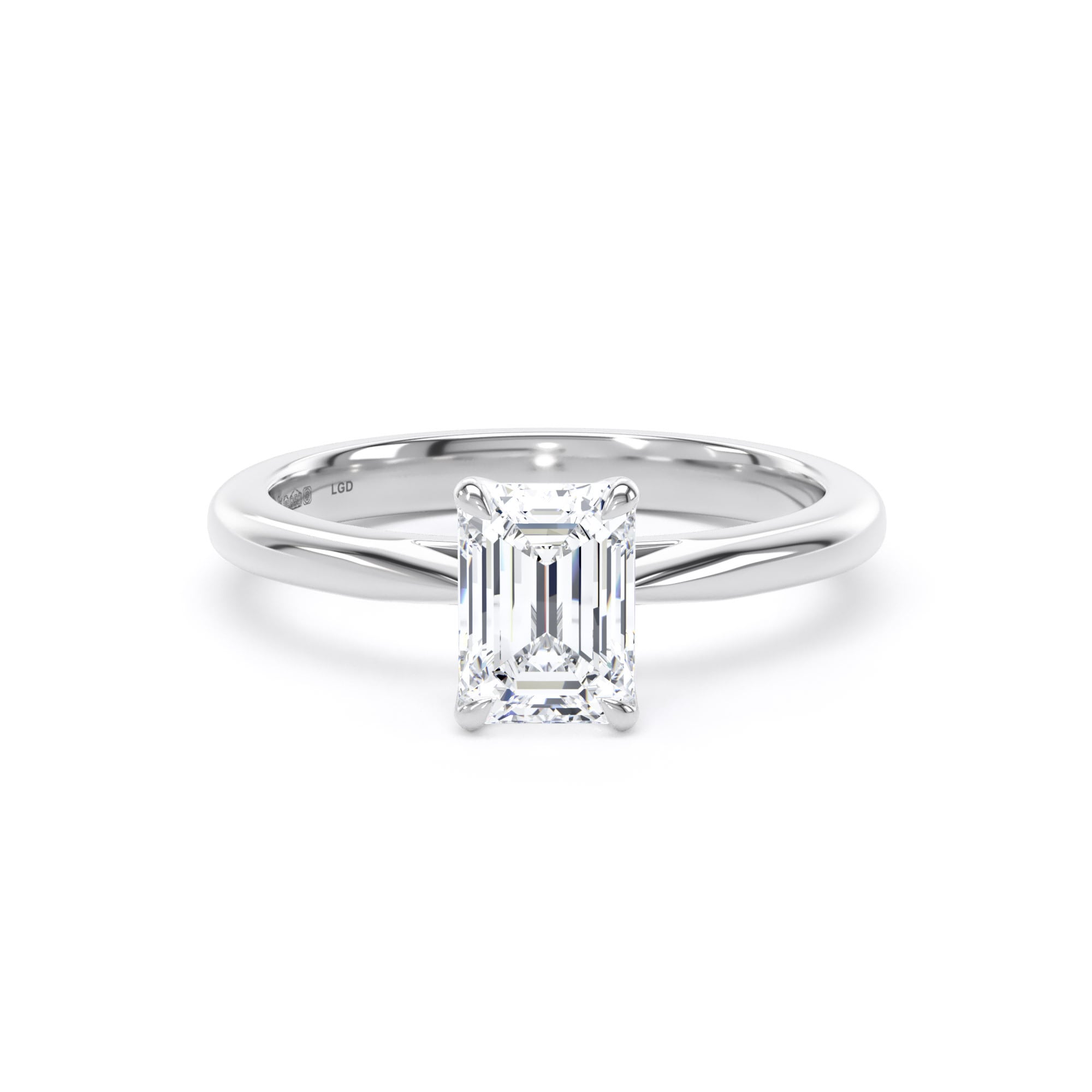
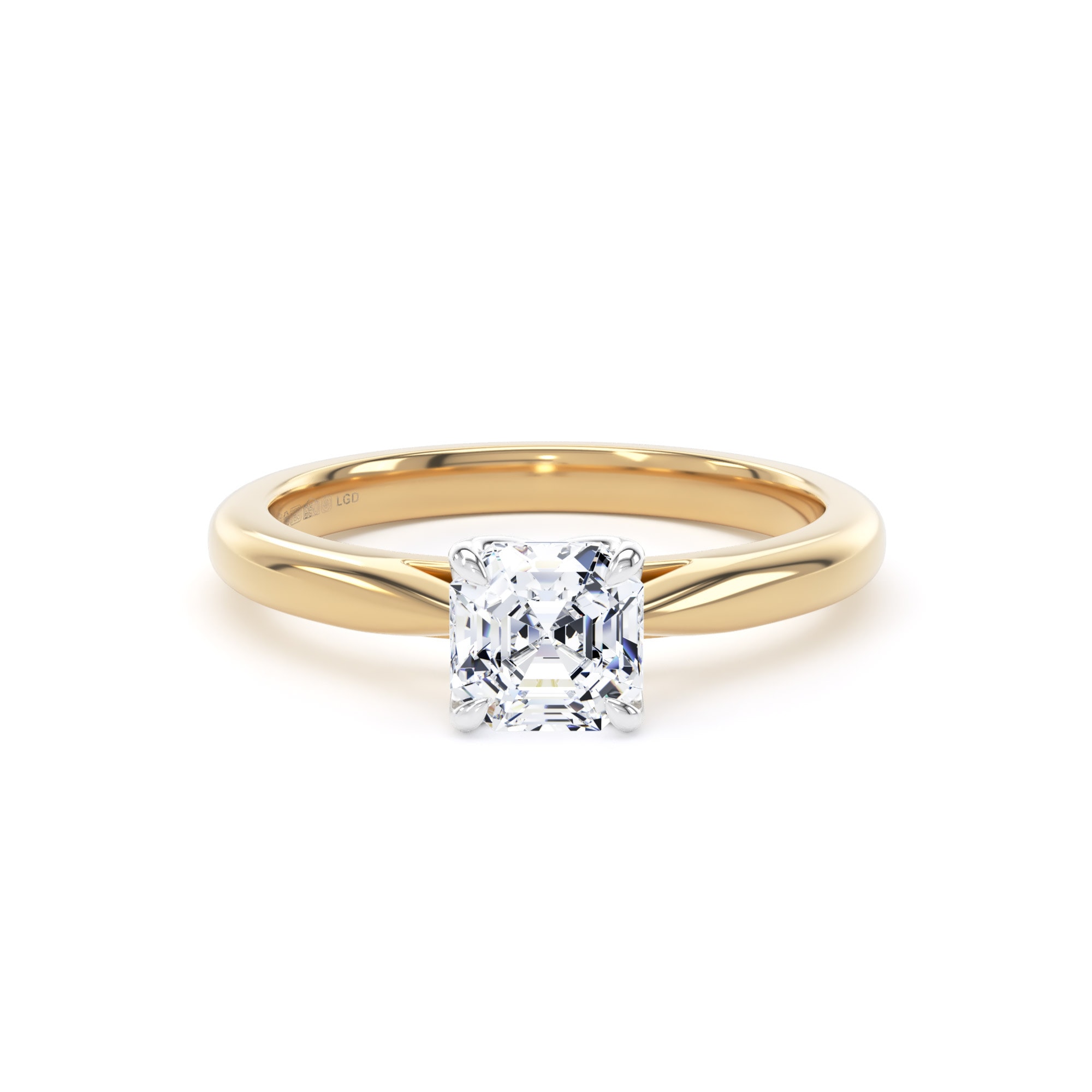
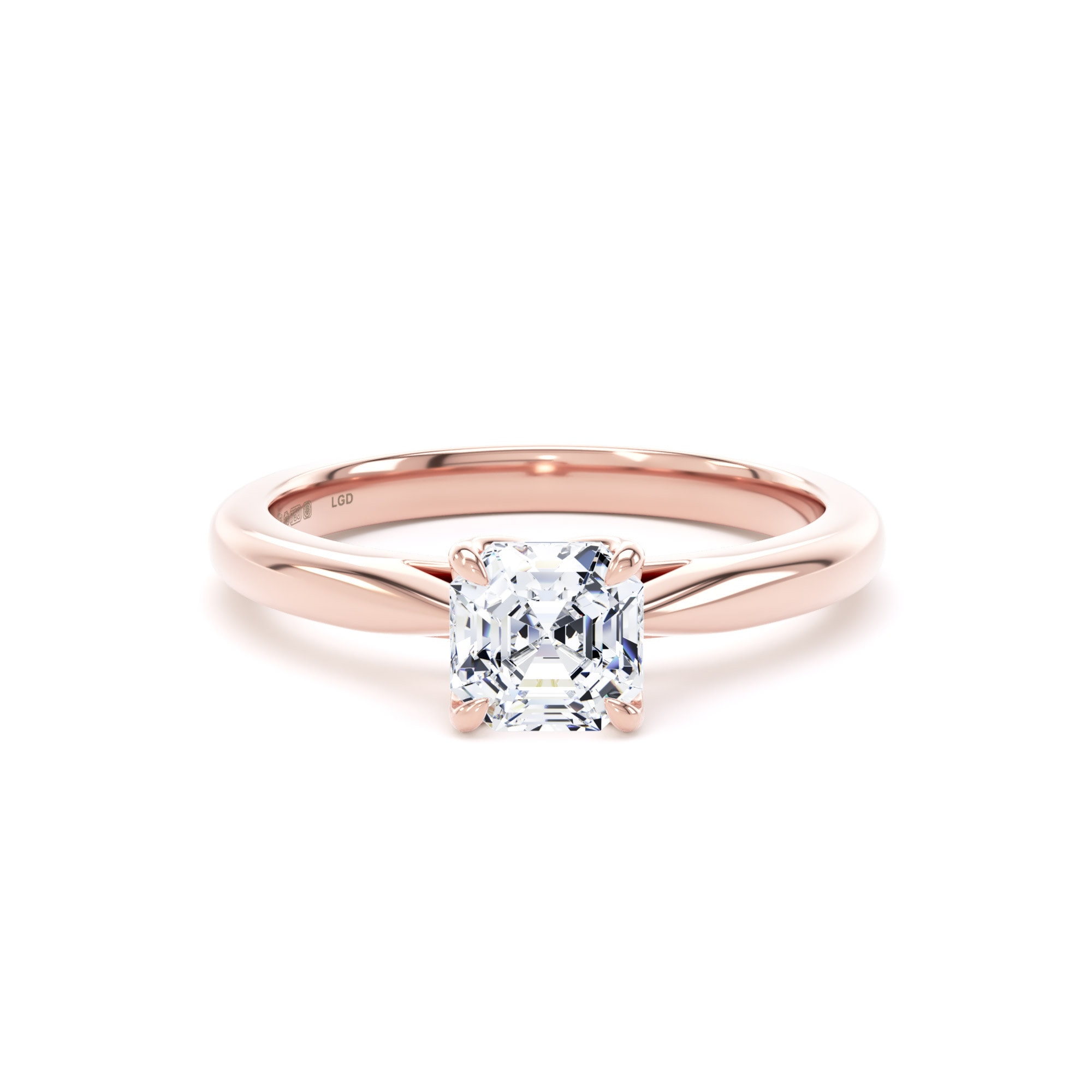
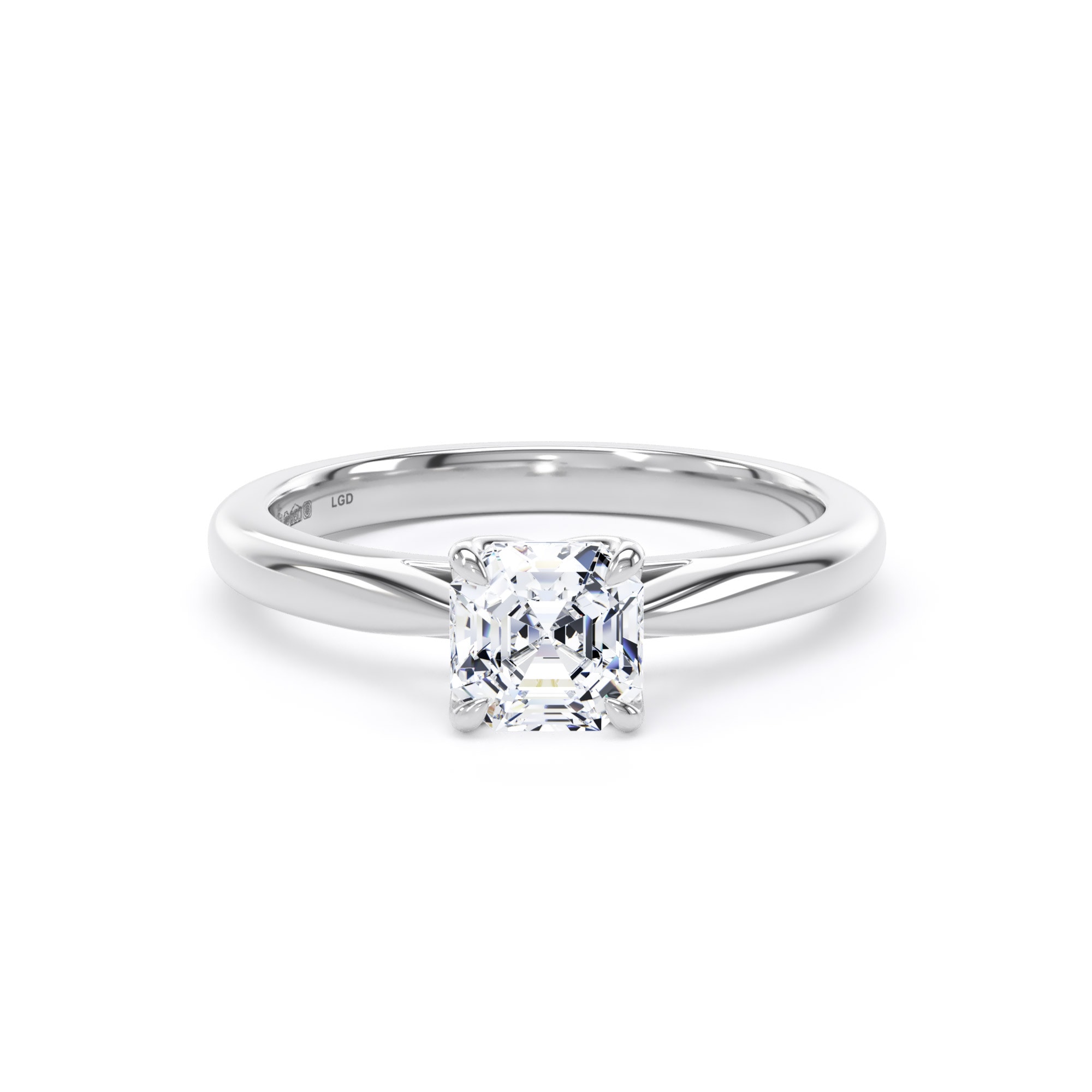
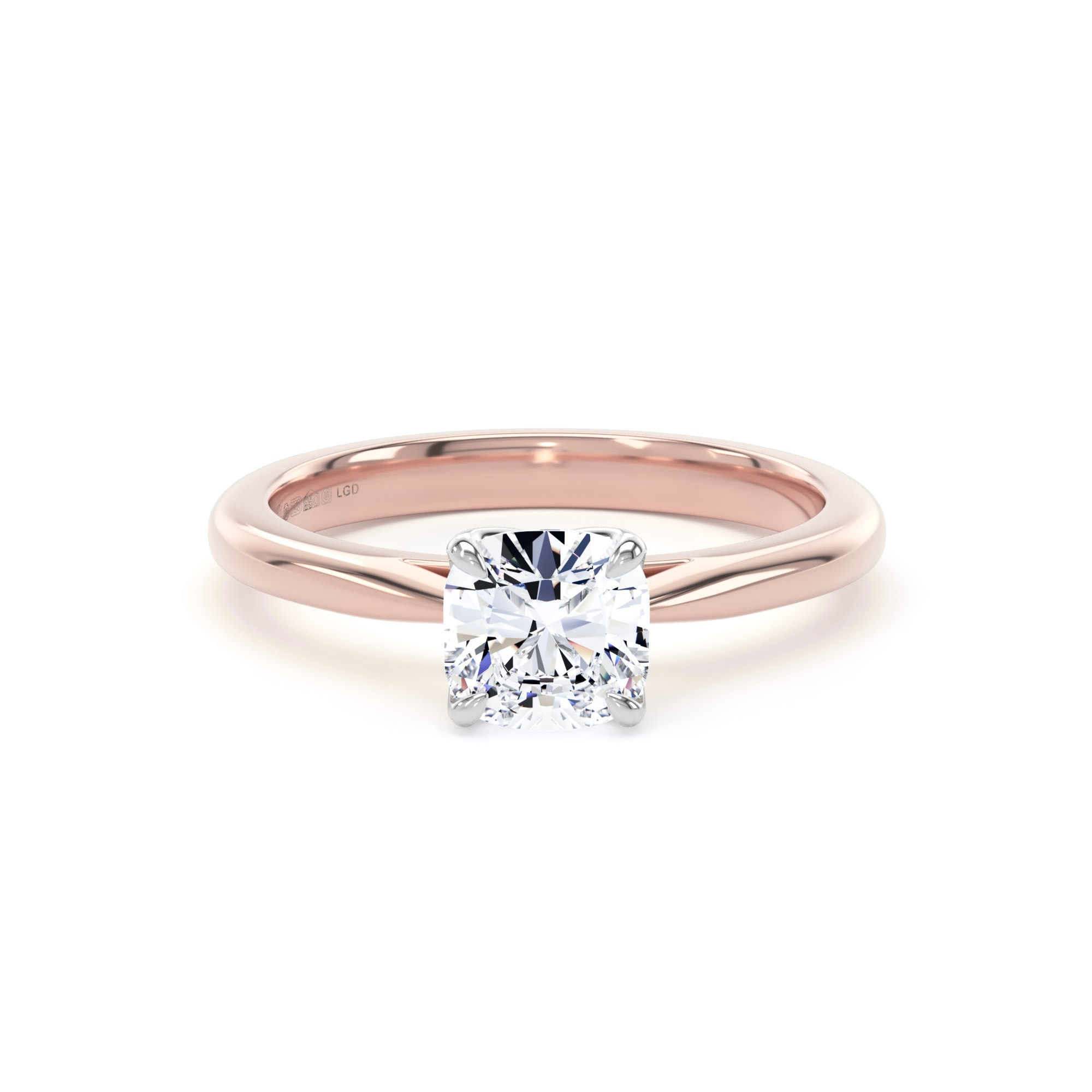
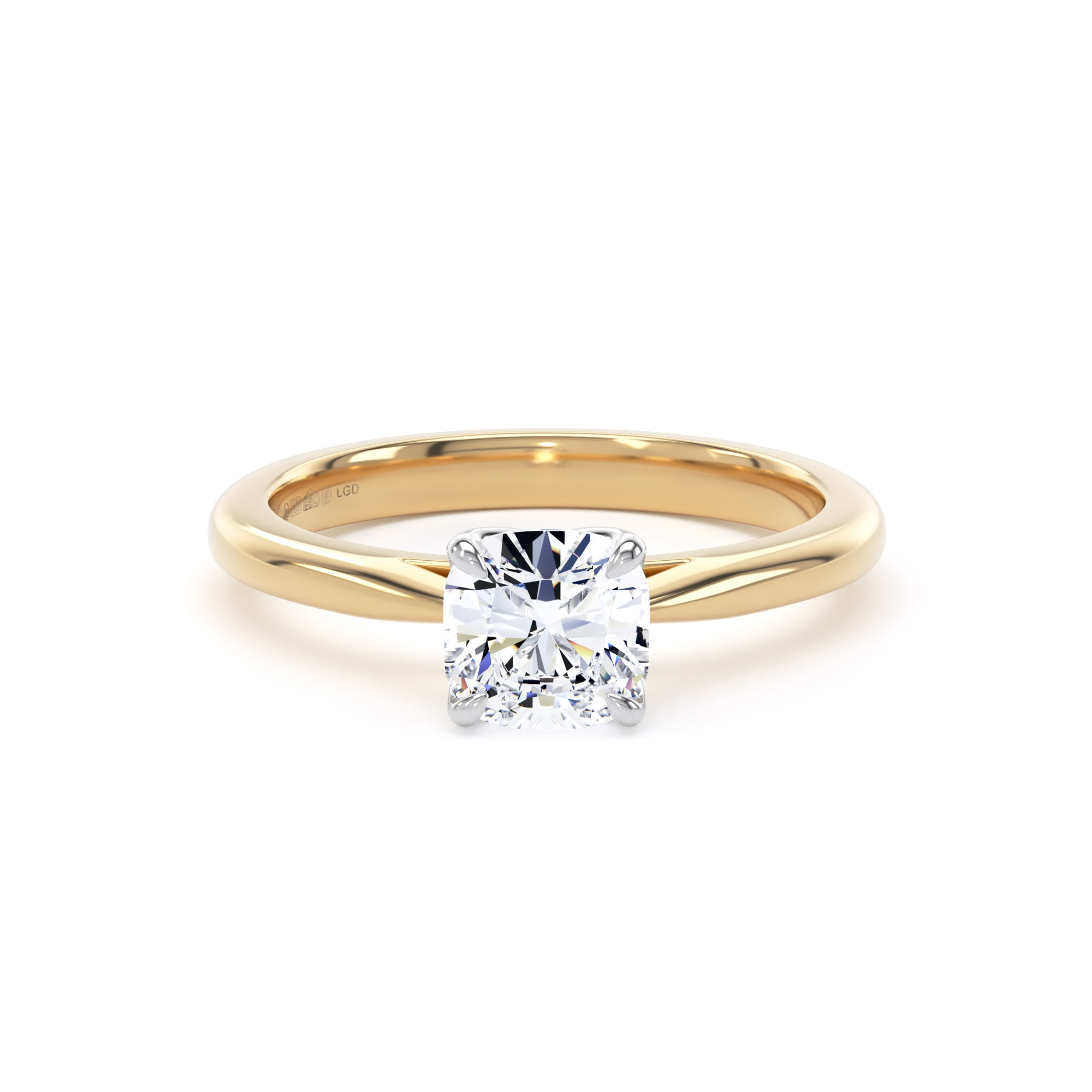
Across the United States, the 2026 retail landscape for fine rings reflects a market in disciplined recalibration: natural diamond prices have stabilized after two years of correction, lab-grown diamond wholesale rates have compressed by 18–24% year-over-year, and platinum has reclaimed a premium over 18K gold for the first time since 2019. For buyers navigating premier jewelry corridors—from New York's 47th Street to Los Angeles's Hill Street and Chicago's Jewelers Row—understanding the true cost architecture of a ring is no longer optional. It is the difference between a sound heirloom purchase and a 40% equity loss at resale. This guide dissects the 2026 rings pricing matrix, from rough diamond sourcing to final appraisal, with the same rigor our valuation team applies to certified Rings showroom inventory across the Diamond District Block network. For exquisite artisan craftsmanship and certified stone settings, examine this handcrafted Certified 1.5 Carat Oval Lab Grown.
2026 Rings Market Landscape: Inflation, Lab-Grown Disruption & Wholesale Realities
Wholesale diamond premiums for natural stones in the 1.00–1.50 carat, G–H color, VS2 clarity range settled between $4,200 and $6,800 per carat in Q1 2026, representing a 3–5% decline from 2025 peaks as mid-stream inventory normalized. This pricing reality sits at the heart of every retail ring quote, yet few consumers understand how that wholesale figure transforms into a $12,000 showroom tag. The 2026 market is defined by three forces: post-pandemic inventory digestion, the mainstreaming of lab-grown diamonds into bridal categories, and a 7.2% increase in independent appraisal fees driven by insurance industry risk recalibration.
Historically, the rings market has tracked two parallel economies. The natural diamond segment, anchored by De Beers and ALROSA supply discipline, behaves like a slow-moving commodity with 2–4% annual appreciation in top-tier cuts. The lab-grown segment, by contrast, has followed a technology cost curve—HPHT and CVD reactor efficiencies have driven wholesale prices for a 1-carat lab-grown diamond from $1,800 in 2022 to under $450 in early 2026. This divergence has created a bifurcated retail landscape where a natural 1.5-carat oval ring may retail at $14,500 while a visually identical lab-grown counterpart sells for $3,200—a 78% price gap that demands full disclosure at point of sale.
Economic context matters. The Federal Reserve's 2025 rate stabilization reduced financing costs for jewelry retailers, easing inventory carrying costs but not translating to consumer price reductions. Instead, retailers absorbed margin pressure by upselling metal weight and setting complexity. A 2026 platinum solitaire with a hidden halo now averages 4.8 grams of platinum versus 3.9 grams in 2020—a 23% metal weight increase that adds $180–$240 to the wholesale cost but $600–$900 at retail. Buyers who understand this dynamic can negotiate metal weight independently of diamond price, a tactic our analysts consistently recommend.
Regional pricing variance remains significant. New York's Diamond District operates on 12–18% retail margins for certified goods due to high volume and competitive density, while suburban mall jewelers in the Midwest routinely apply 45–60% markups. National online retailers split the difference at 25–35%, but often exclude appraisal costs and setting upgrades from advertised prices. The 2026 buyer must treat every ring quote as a bundle: diamond, metal, setting labor, certification, and appraisal are separate line items that should be negotiated independently.
Rings Pricing Matrix: 4Cs Tiers, Metal Weights & 2026 Benchmark Tables
Always inspect the pavilion depth and table percentage under a 10x loupe before accepting any 4Cs-based price quote, because cut grade accounts for 30–40% of a natural diamond's value in the 2026 market. The pricing matrix below reflects average U.S. wholesale-to-retail spreads for round brilliant and oval cuts, G–H color, VS2–SI1 clarity, as of Q1 2026.
| Carat Tier | Natural Wholesale (per ct) | Natural Retail (per ct) | Lab-Grown Wholesale | Lab-Grown Retail |
|---|---|---|---|---|
| 0.50–0.75 ct | $2,800–$3,600 | $5,200–$7,400 | $180–$280 | $650–$1,100 |
| 1.00–1.25 ct | $4,200–$5,400 | $8,900–$11,800 | $320–$480 | $1,200–$1,900 |
| 1.50–1.75 ct | $5,600–$7,200 | $12,400–$16,200 | $450–$650 | $1,800–$2,800 |
| 2.00–2.50 ct | $7,800–$10,400 | $17,500–$24,000 | $680–$980 | $2,600–$4,200 |
| 3.00+ ct | $11,200–$16,500 | $26,000–$38,000 | $1,100–$1,650 | $4,500–$7,200 |
Independent gemological laboratories like GIA and IGI classify cut grade as the single greatest determinant of light performance and, consequently, resale liquidity. In 2026, an Excellent-cut natural diamond commands a 12–18% premium over a Very Good cut of identical carat and clarity, while a Fair cut can lose 35% of value in secondary markets. For lab-grown stones, cut grade matters less for resale (where liquidity is minimal) but significantly impacts visual brilliance—buyers should still insist on Excellent or Ideal proportions.
Precious metal weight calculations are equally critical. Platinum (95% Pt, 5% Ir/Ru) trades at roughly $1,050–$1,150 per ounce in early 2026, translating to $33–$37 per gram at wholesale. An 18K gold ring (75% Au) at $2,050 gold spot yields approximately $49 per gram. A typical 4.5-gram platinum solitaire carries $150–$165 in raw metal, while an 18K gold equivalent carries $220–$235. Retailers mark up metal 2.5–4x to cover fabrication, finishing, and warranty. The table below compares common alloy costs for a 4.5-gram ring in 2026.
| Metal Alloy | Purity | Wholesale Metal Cost (4.5g) | Retail Metal Cost | Durability Rating |
|---|---|---|---|---|
| Platinum 950 | 95% Pt | $150–$165 | $480–$650 | Excellent |
| 18K White Gold | 75% Au | $220–$235 | $620–$820 | Very Good |
| 14K White Gold | 58.5% Au | $170–$185 | $480–$640 | Good |
| 18K Yellow Gold | 75% Au | $220–$235 | $600–$780 | Very Good |
| Palladium 950 | 95% Pd | $95–$110 | $320–$450 | Good |
To benchmark live pricing across these tiers and view certified stones with full grading reports, explore our curated Rings collection, where each listing discloses wholesale origin, metal weight, and certification lab. This transparency is the 2026 standard; any retailer unwilling to provide it should be disqualified from consideration.
Premier Showroom Vetting: Wholesale Margins, Retail Markups & Negotiation Protocols
Across premier jewelry districts and wholesale exchanges, storefront overhead directly affects the retail price of every ring, with Manhattan's 47th Street carrying the highest per-square-foot costs but the lowest diamond margins due to competitive density.
Vetting a showroom in 2026 requires more than checking Google reviews. The protocol our analysts use involves four steps: (1) verify the merchant's membership in the Jewelers Vigilance Committee (JVC) and American Gem Society (AGS); (2) request the GIA or IGI certificate number for any diamond over 0.50 carat and confirm it via the lab's online verification portal; (3) inspect the ring under a 10x loupe for laser inscription matching the certificate; and (4) demand a written verified