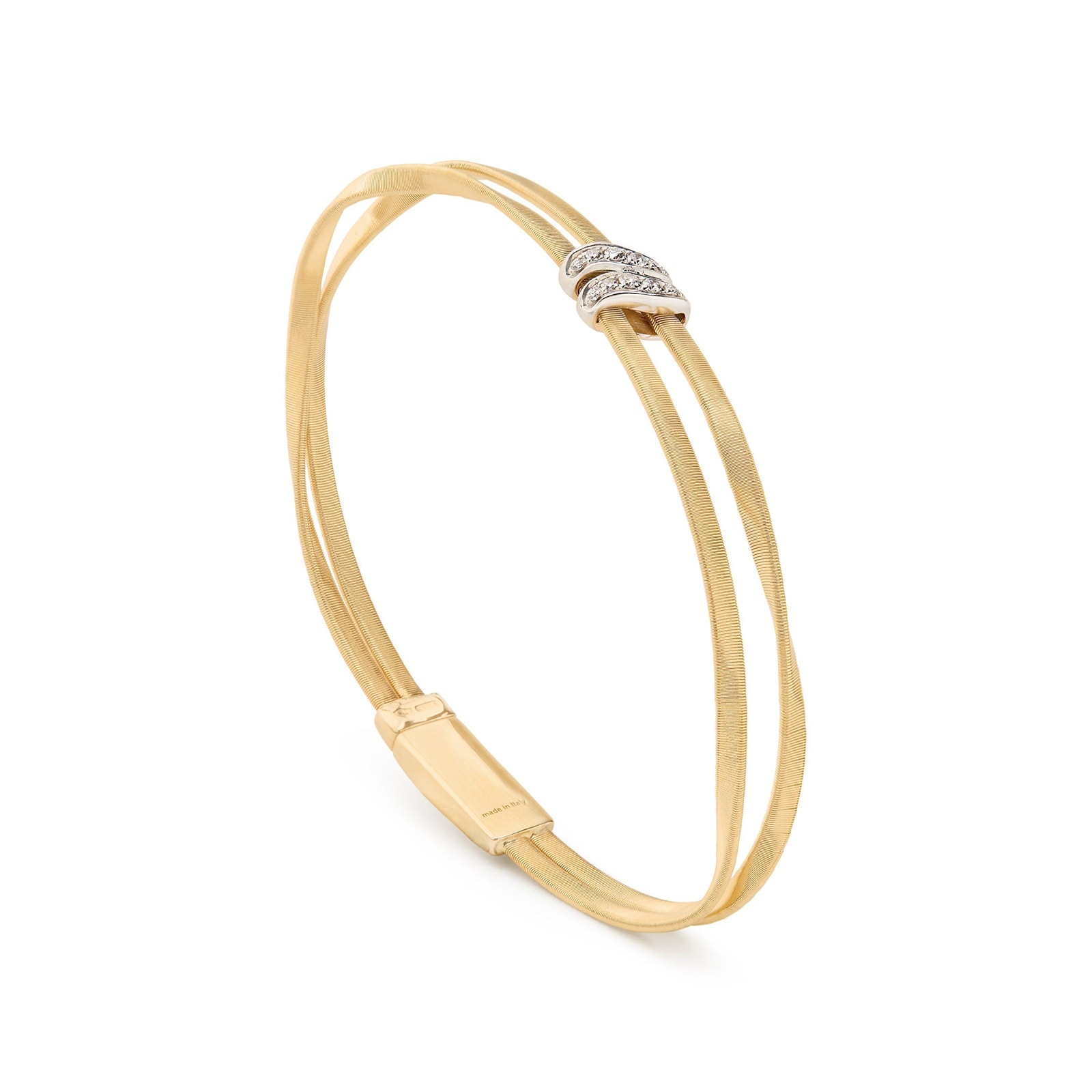

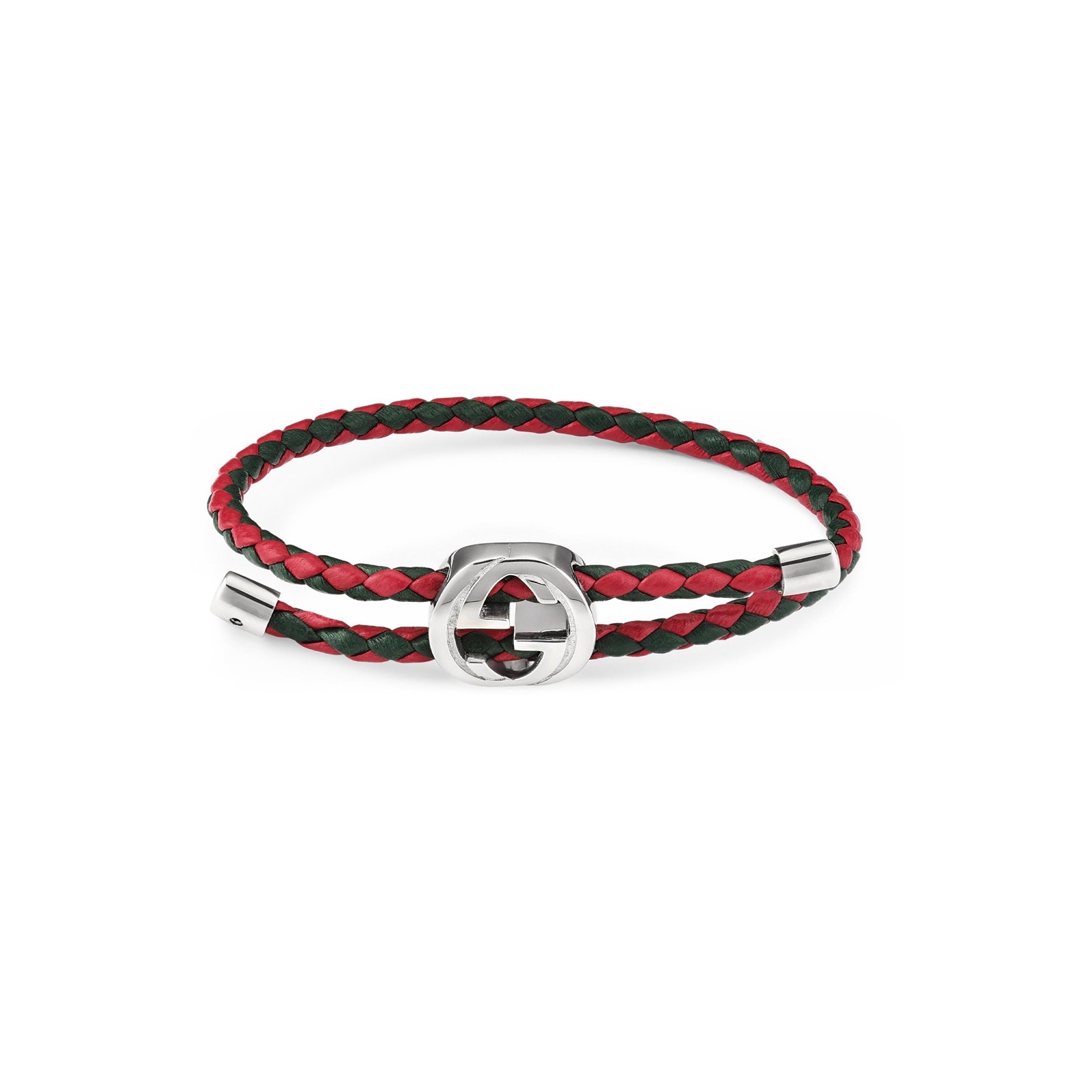
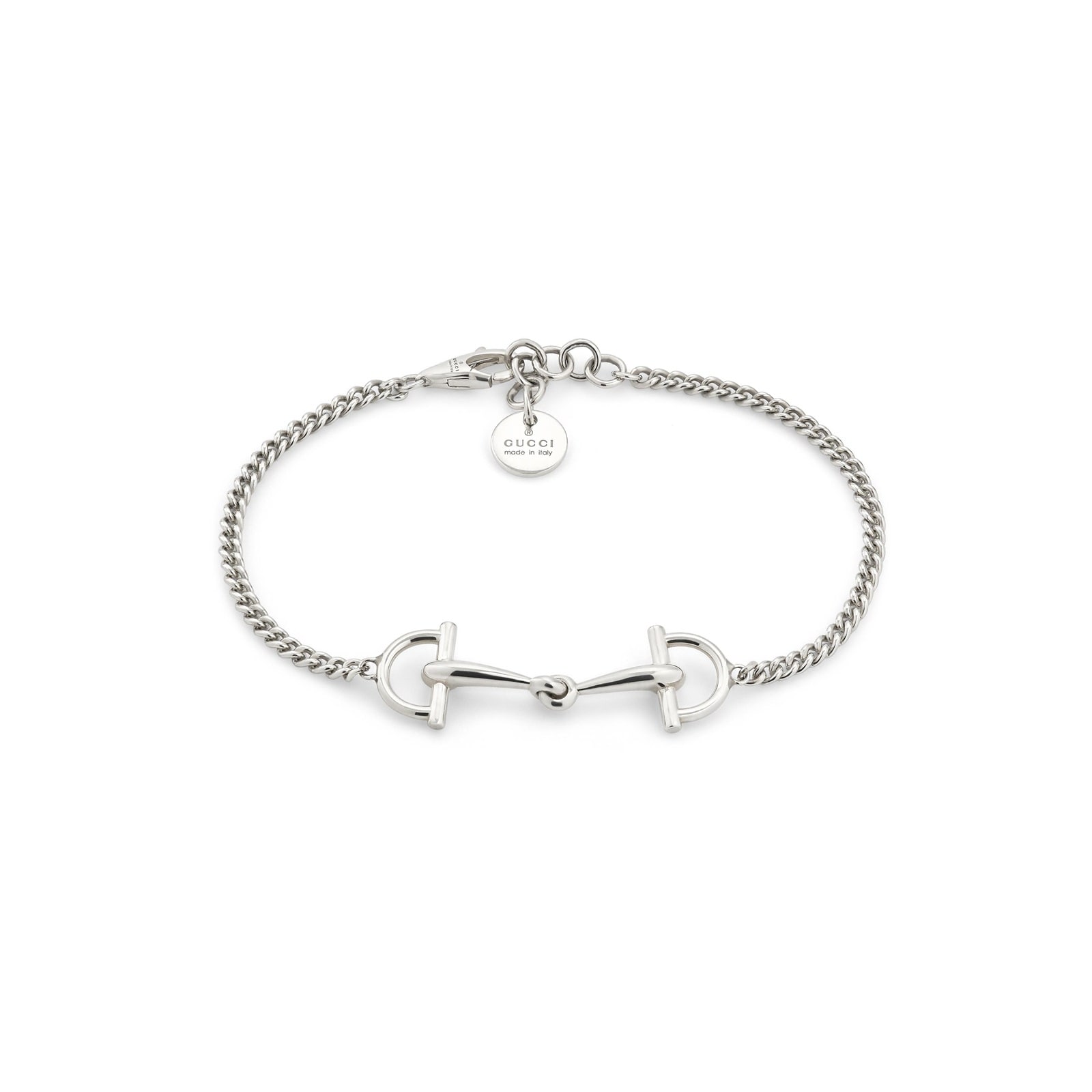
Across the premier jewelry corridors of the United States—from New York’s 47th Street to Los Angeles’s Jewelry District and Miami’s wholesale exchanges—bracelet pricing in 2026 reflects a market shaped by diamond supply discipline, platinum and gold volatility, and a widening gap between wholesale and retail channels. Consumers searching for a diamond tennis bracelet, a gold chain, or a certified heart-link design now face a landscape where the same specification can carry a 40% to 120% price variance depending on the merchant, certification, and metal weight. This guide provides a granular, gemologist-grade breakdown of what bracelets actually cost in 2026, how to read a valuation, and where to find certified Bracelets showroom inventory that meets institutional grading standards. You can inspect certified diamond cuts and market valuations across our explore our curated Bracelets collection.
Bracelets Market Landscape & Industry Realities in 2026
Wholesale diamond premiums for bracelet-grade melee and small stones typically range from $1,800 to $4,500 per carat in 2026, a figure that excludes setting labor, metal, and retail margin. This pricing tier reflects the unique economics of bracelets: unlike a solitaire ring, a tennis bracelet may contain 40 to 80 individual diamonds, each requiring matched color, clarity, and cut. The aggregate cost of matching stones—often sourced in calibrated parcels—adds a 10% to 25% premium over single-stone pricing because the labor of sorting and pairing is intensive and the wastage is high.
Always inspect the pavilion depth and table percentage of at least three stones in a bracelet under a 10x loupe before accepting a merchant’s stated grade. Bracelets are notorious for “mixed parcels,” where a few high-grade stones are placed near the clasp while lower-grade stones are hidden along the chain. This practice, while not fraudulent if disclosed, can materially affect value and should be documented in any appraisal.
Across premier jewelry districts and wholesale exchanges, storefront overhead directly affects the final bracelet price. A 47th Street merchant with a second-floor office may operate on a 15% to 25% gross margin, while a Fifth Avenue flagship with high rent and marketing costs may apply a 60% to 100% markup. In 2026, the rise of appointment-only showrooms and online certification portals has compressed some of these margins, but the physical corridor still commands a premium for immediacy, inspection, and after-sales service.
Independent gemological laboratories like GIA and IGI classify cut grade as the single greatest determinant of diamond brilliance, and for bracelets, cut quality is often the most neglected variable. A bracelet with G-color, VS2-clarity stones that are poorly cut will appear duller than an H-color, SI1 bracelet with excellent cut grades. In 2026, the market has begun to price this distinction more aggressively, with excellent-cut parcels commanding a 12% to 18% premium over good-cut equivalents of the same carat weight.
Compared to machine-pressed gold settings, hand-fabricated platinum mounts provide superior stone security and longevity, but they add $800 to $2,500 to the final bracelet cost depending on complexity. The choice between platinum and 18K gold is not merely aesthetic; it affects resale liquidity, insurance replacement value, and maintenance cycles. Platinum’s density and resistance to wear make it the preferred metal for high-value tennis bracelets, while 18K rose or yellow gold dominates fashion-forward and stackable designs.
Bracelets 4Cs, Sourcing & Pricing Benchmarks
Independent laboratory grading reports from GIA and IGI provide the foundational data for any bracelet valuation, but the 4Cs matrix for bracelets differs from rings because total carat weight (TCW) is distributed across many stones. The following table summarizes 2026 wholesale price benchmarks for diamond tennis bracelets in 18K white gold, based on calibrated parcels and GIA-certified matching.
| Total Carat Weight (TCW) | Diamond Quality Tier | Wholesale Price Range (USD) | Estimated Retail Range (USD) |
|---|---|---|---|
| 2.00 ct | G-H / VS2-SI1 / Excellent Cut | $3,200 – $4,800 | $5,500 – $8,200 |
| 3.00 ct | G-H / VS2-SI1 / Excellent Cut | $4,800 – $7,200 | $8,000 – $12,500 |
| 4.00 ct | F-G / VS1-VS2 / Excellent Cut | $7,500 – $11,000 | $13,000 – $19,000 |
| 5.00 ct | F-G / VS1-VS2 / Excellent Cut | $10,500 – $15,500 | $18,000 – $27,000 |
| 7.00 ct | E-F / VVS2-VS1 / Excellent Cut | $18,000 – $26,000 | $32,000 – $46,000 |
Laboratory-grown diamonds have reshaped the bracelet market in 2026, with 3-carat tennis bracelets retailing for $1,800 to $3,200—roughly 60% to 75% below natural diamond equivalents. The price gap is widest in the 1.00 to 3.00 TCW range, where lab-grown production is most efficient. Buyers should note that lab-grown bracelets carry different resale dynamics and insurance valuation standards; appraisers typically value them at replacement cost, which has been declining year over year.
Explore our curated Bracelets collection to compare certified natural and lab-grown options side by side, with transparent grading and metal specifications. When evaluating a bracelet, request the total carat weight, average stone size, and the number of stones, as these three data points allow you to calculate the per-stone cost and assess whether the parcel is calibrated or mixed.
Precious metal weight is the second-largest cost driver after diamonds. In 2026, 18K gold bracelets typically weigh between 8 and 25 grams, while platinum equivalents weigh 30% to 50% more due to density. The following table compares metal costs for a standard 7-inch tennis bracelet with a secure box clasp.
| Metal | Purity | Approx. Weight (grams) | Metal Cost Range (USD) |
|---|---|---|---|
| 18K White Gold | 75% gold | 12 – 18 g | $850 – $1,350 |
| 18K Yellow Gold | 75% gold | 12 – 18 g | $850 – $1,350 |
| Platinum 950 | 95% platinum | 18 – 26 g | $1,100 – $1,800 |
| 14K Gold | 58.5% gold | 10 – 15 g | $550 – $900 |
Metal costs fluctuate with spot prices, and in 2026, gold and platinum have both experienced periods of 8% to 15% volatility. Reputable merchants will quote a metal allowance and lock pricing for a defined period, typically 24 to 72 hours. Always request a breakdown of metal weight and labor separately from diamond costs to ensure transparency. For exquisite artisan craftsmanship and certified stone settings, examine this handcrafted Certified Diamond Heart Chain Brace.
Bracelets Showroom Selection & Merchant Vetting Protocols
Wholesale-to-retail markups for bracelets in 2026 range from 1.6x to 2.4x on natural diamond pieces, with the highest multiples applied to branded or designer lines and the lowest to direct-from-manufacturer showrooms. A merchant’s markup should be disclosed in the context of services provided: certification, setting warranty, resizing, cleaning, and buy-back policies all justify a portion of the retail premium. Buyers should ask directly, “What is your margin on this piece, and what does it include?”—a question that reputable dealers answer without hesitation.
Showroom vetting begins with credential verification: check for membership in the Jewelers Vigilance Committee (JVC), American Gem Society (AGS), or a local better business bureau, and confirm that the merchant provides a verified Bracelets valuation report from an independent appraiser. A legitimate valuation report includes photographs, measurements, stone counts, grading summaries, and a replacement value based on current market comparables.
Negotiation protocols in the Diamond District and other wholesale hubs follow a predictable rhythm: initial quotes are typically 10% to 20% above the merchant’s target, and cash or wire payment can unlock a 3% to 7% discount. Trade-ins of existing bracelets are common, but buyers should insist on a written trade-in valuation that separates metal value from diamond value. Never accept a verbal trade-in quote without documentation.
Geographic pricing differences remain meaningful in 2026. New York’s 47th Street offers the deepest wholesale inventory and the most competitive pricing on certified natural diamond bracelets, while